Japan
Tokyo
Tokyo, where 24 hours isn't enough
Food, culture, shopping—one city
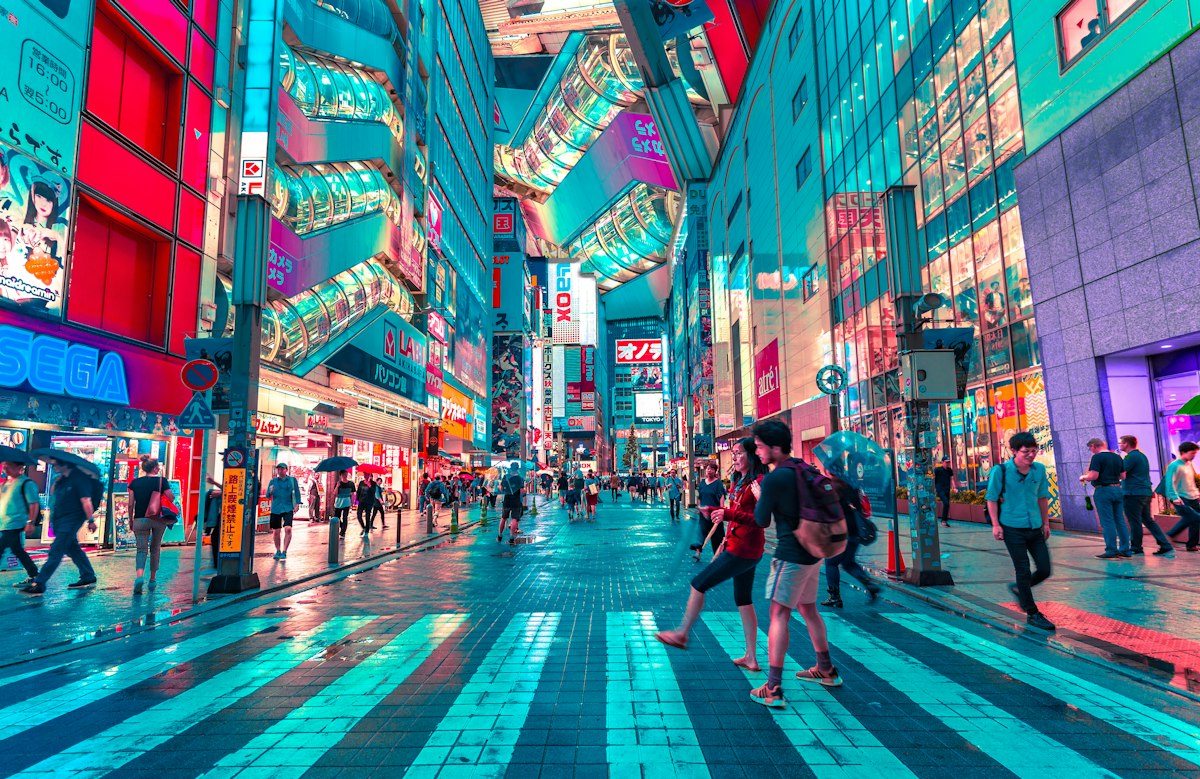
Tokyo is dozens of cities packed into one. The crowds of Shibuya, the neon of Shinjuku, the incense of Asakusa, the backstreets of Kichijoji, the cafés of Daikanyama—each neighborhood's mood is completely different, so every day feels like a new trip, even if you spend it the same way. That's why people who've been don't ask “So where next?” They say, “I have to go back to Tokyo.”
First impressions: orderly chaos
The first thing you notice when you arrive in Tokyo is the way it sounds. It's a city of 14 million, yet nobody's talking loudly in the street, and even a packed subway car stays quiet. Everyone's focused on their own business but still steps aside so no one bumps into anyone—that unspoken agreement sets the tone of the whole city. LED billboards flash frantically overhead, yet the people walking below move with a strange calm. That curious balance is the first thing that wins you over.
A city best enjoyed neighborhood by neighborhood
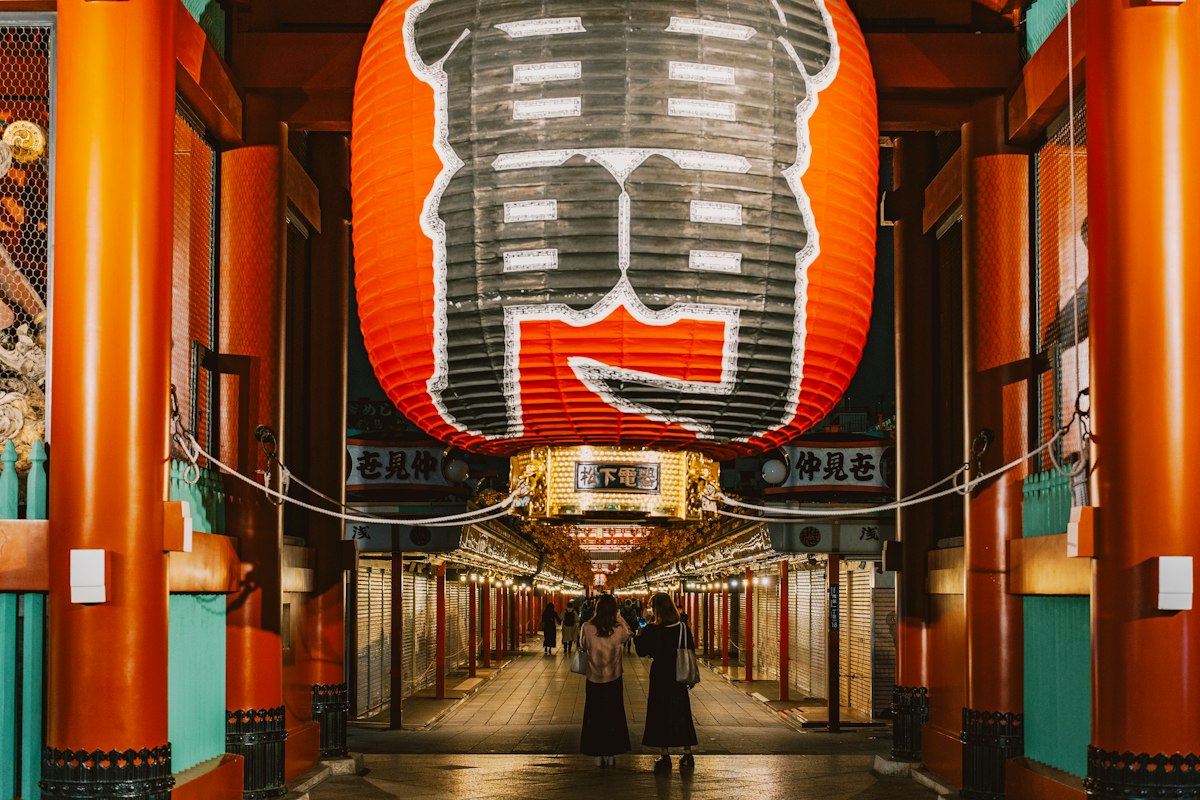
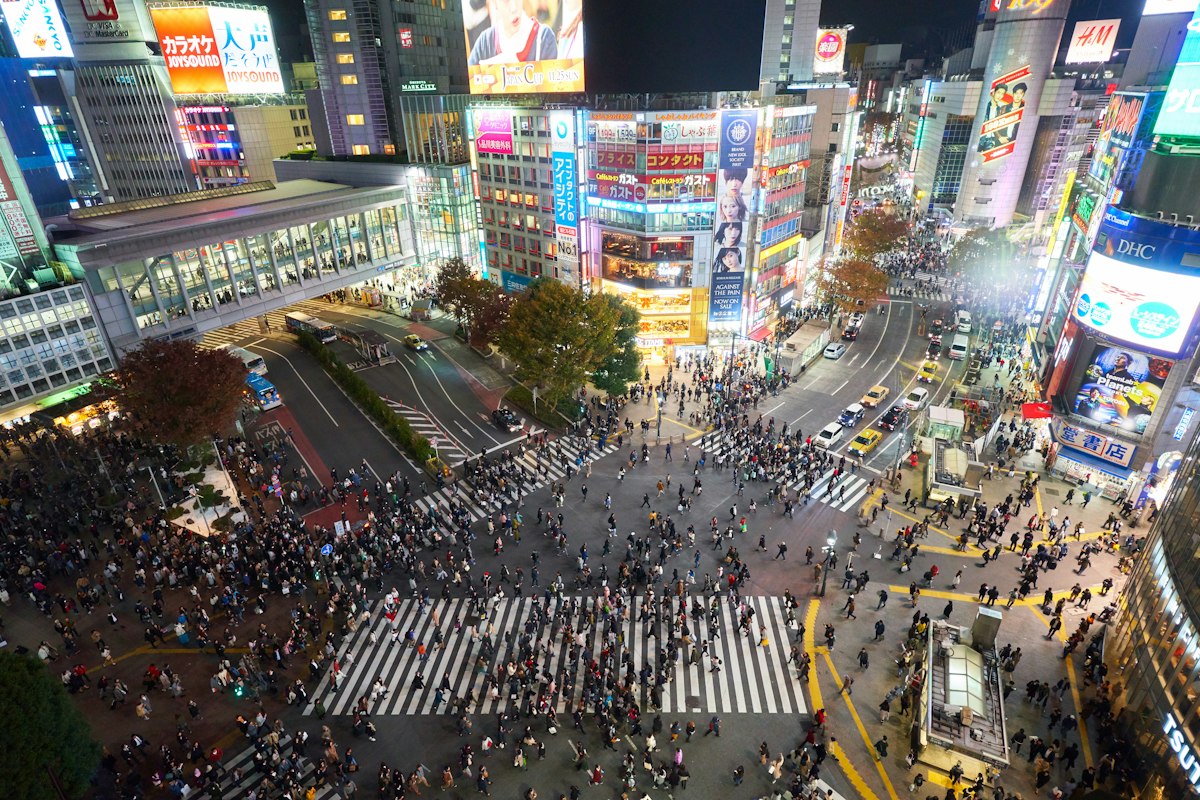
Tokyo really shines when you explore it one neighborhood at a time. Ride just one subway stop and the scenery changes completely. • Shibuya: the city's heart, lit up around the clock. Crowds on the Scramble Crossing, 360-degree views from Shibuya Sky, and izakaya tucked down every alley. • Shinjuku: Kabukicho's neon, Golden Gai's narrow lanes of tiny bars, and the free observatory at the Tokyo Metropolitan Government Building. • Asakusa: Senso-ji temple and Kaminarimon gate, in a neighborhood where old Tokyo still lives on. • Harajuku and Omotesando: street style on Takeshita Street and lanes of luxury boutiques, all within a block. • Daikanyama and Nakameguro: Tsutaya Books and stylish cafés along the Meguro River. • Kichijoji: Inokashira Park and the Ghibli Museum (in Mitaka). Where to go when the city wears you out. • Shimokitazawa: vintage shops, indie music and small theaters—Tokyo's Brooklyn.
Food: above average at every price point
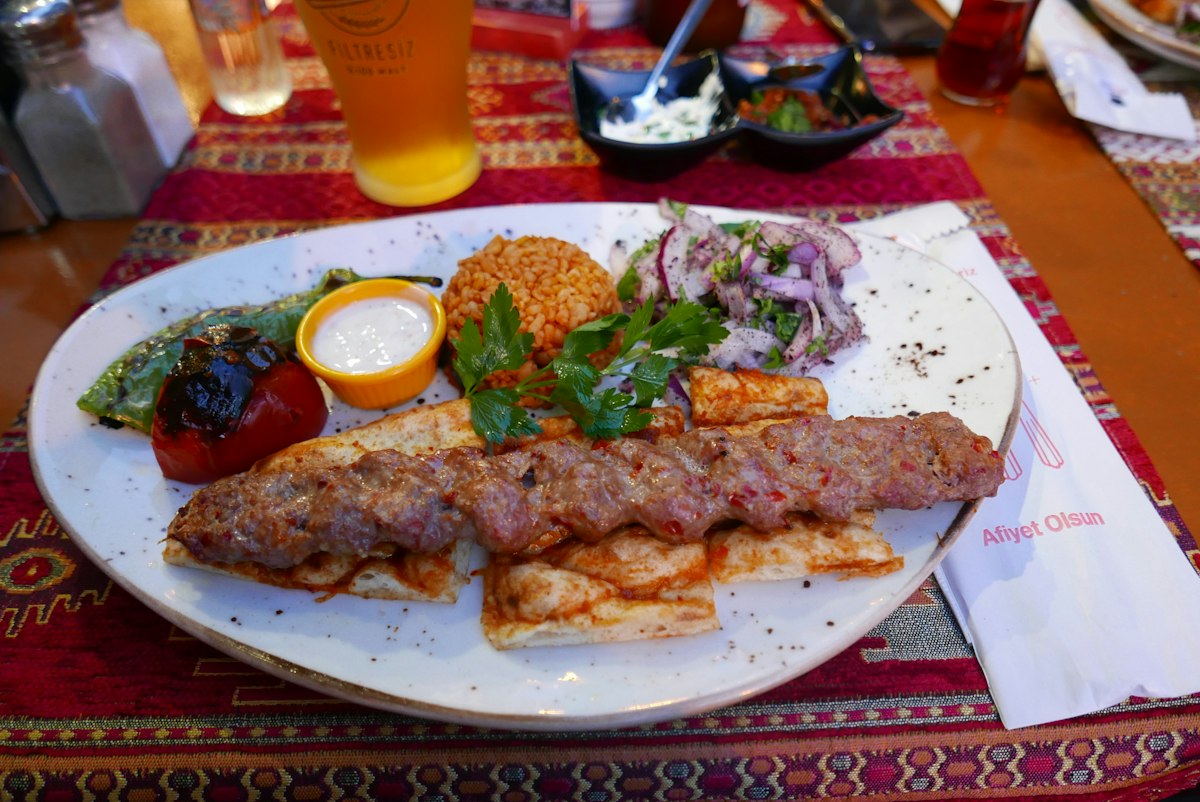
Tokyo has more Michelin stars than any other city. The reason isn't just the number of high-end restaurants—it's the depth of a food culture where even a ¥1,000 ramen shop is above average. Start the day with a kaisendon (seafood rice bowl) at Tsukiji Outer Market, or with rice balls from an onigiri specialist. For lunch, a bowl of ramen down a side street, or a sashimi set at a teishoku diner. In the afternoon, matcha latte and wagashi at a café in Akasaka or Kichijoji. Dinner is sashimi, kushikatsu and yakitori with a highball at an izakaya. Wind down with a whisky in one of Golden Gai's tiny bars in Shinjuku. Follow that rhythm and ¥8,000–12,000 a day gets you 80% of what Tokyo's food scene has to offer. Want to go further? There's omakase at ¥15,000–30,000 per person, wagyu yakiniku courses, and ramen shops listed as Michelin Bib Gourmands. The price range is huge.
Night views: free or paid, take your pick
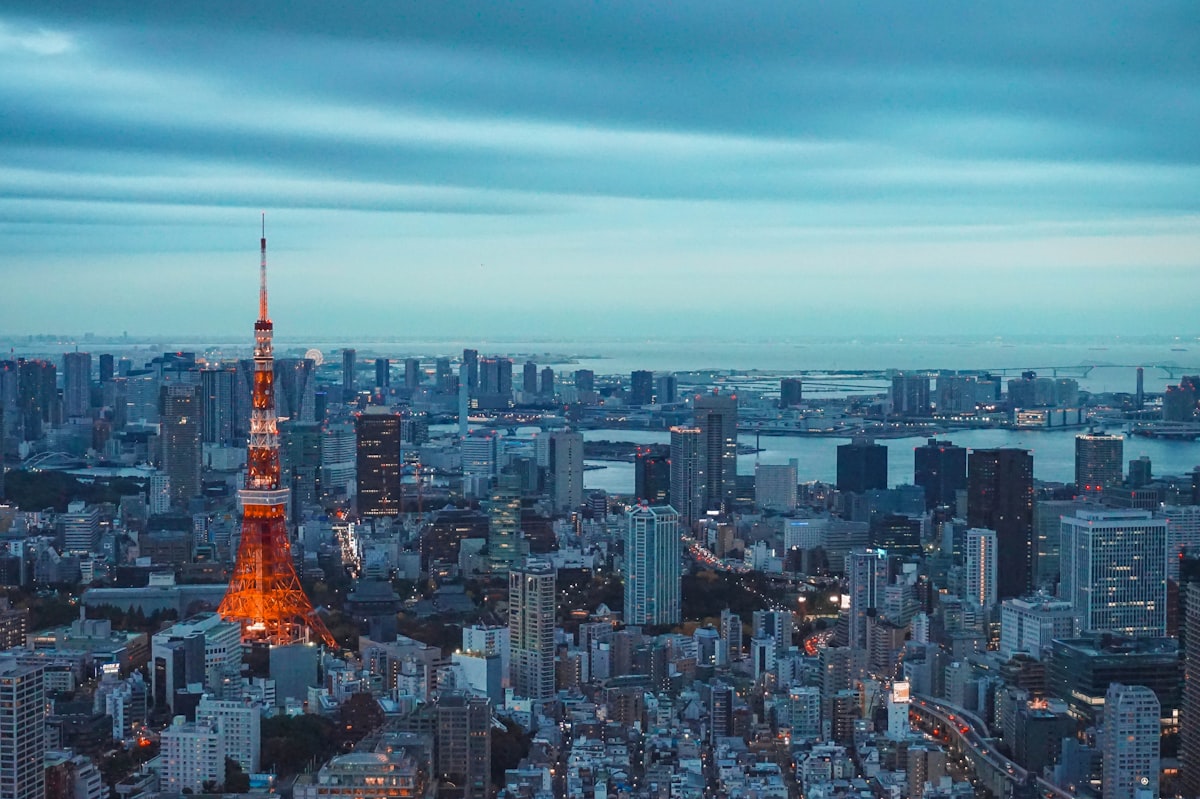
Tokyo's nights are richer than any other city's. There are so many places to take in the lights that you can choose by taste and budget. • Shibuya Sky (adults ¥2,700–3,400 online, by time slot): an open-air rooftop deck with 360-degree views. Time your entry for 30 minutes before sunset. • Tokyo Metropolitan Government Building observatory: free views from 202 m up, right in the middle of Shinjuku. Unbeatable value. • Tokyo Tower: its red silhouette is the signature of Tokyo's skyline. Up close, the color is incredibly vivid. • Roppongi Hills Mori Tower: Tokyo Tower stands straight ahead—one of the best photo spots in the city. • Rainbow Bridge: night views of the bridge from Odaiba, with Tokyo Tower in the frame. The rainbow lighting comes on for special light-ups in December. Seasonal extras include evening illuminations at Hama-rikyu Gardens and the cherry trees lit up at night along the Meguro River in Nakameguro (late March to early April).
Shopping: a city sorted by category
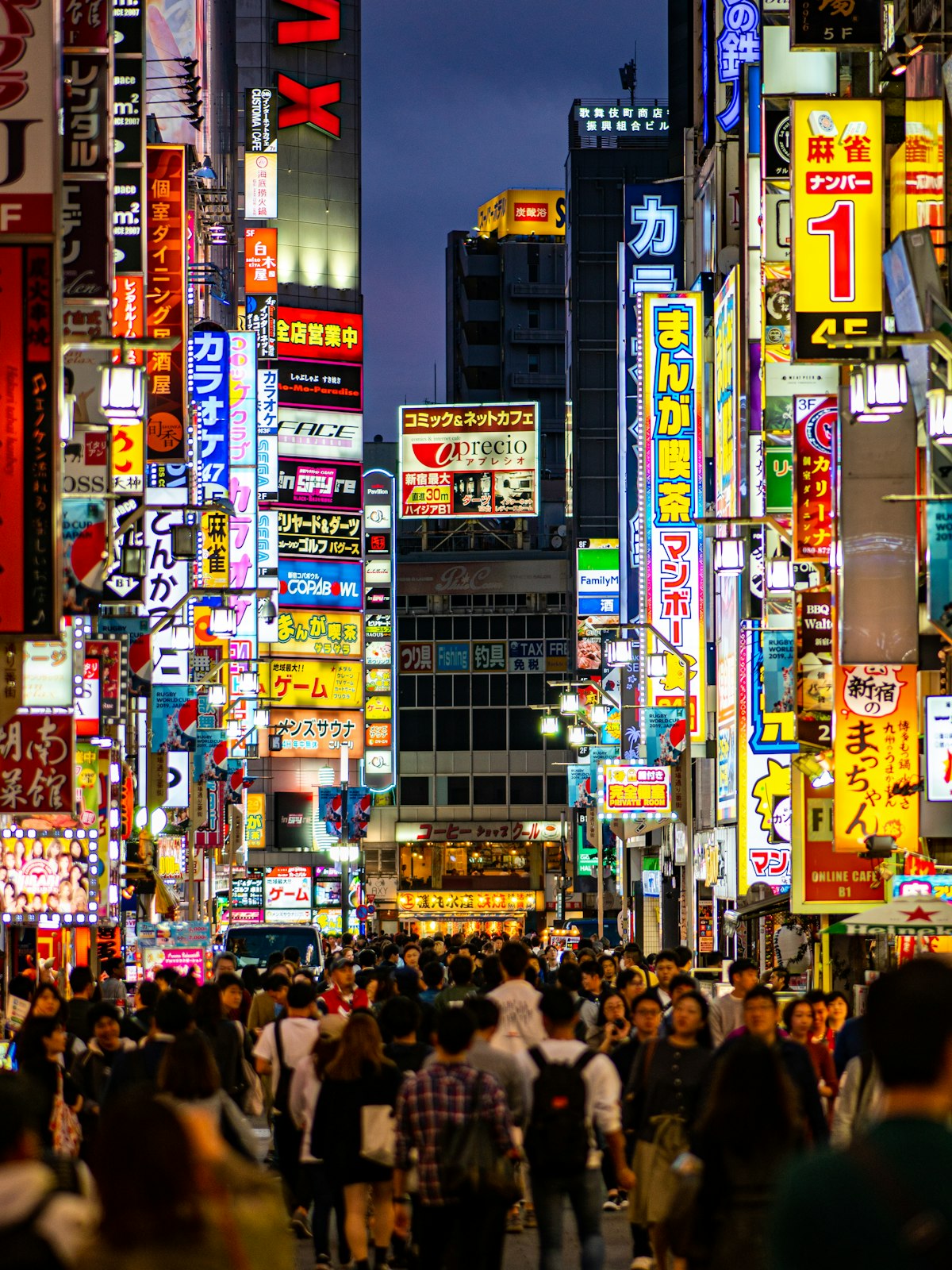
Tokyo's shopping is clearly sorted by neighborhood. You'll know exactly where to go for what, which makes planning your route easy. • Luxury: Ginza and Omotesando, from flagship boutiques to brand cafés. • Trendy fashion: Shibuya 109, Marui, Laforet Harajuku. • Vintage and indie: Shimokitazawa, Koenji, Daikanyama. • Subculture: Akihabara (anime, games, electronics) and Nakano Broadway (figures, secondhand goods). • Everyday goods: MUJI, LOFT, Hands (formerly Tokyu Hands). • Drugstores and discount stores: Matsumoto Kiyoshi, Don Quijote. Ideal for tax-free cosmetics and snacks. Spend ¥5,000 or more (before tax) at one store in a day and show your passport, and the consumption tax (10%, or 8% on food) comes off. From November 2026, you'll pay the tax-inclusive price and get that amount back after a customs check when you leave Japan. One-stop stores like Don Quijote and Laox take care of it all in one go, which is convenient.
Do as Tokyoites do: five lesser-known pleasures
1) Izakaya hopping (hashigo-zake): have a drink or two at one spot, then move next door—Japan's take on the pub crawl. Try it in Shinjuku San-chome or Shibuya. 2) Convenience-store desserts: 7-Eleven's milk pudding, FamilyMart's chewy mochi, Lawson's Premium Roll Cake. They're as satisfying as a meal. 3) Daiso and 3COINS: at these ¥100 and ¥300 shops, the quality often beats what you'd expect for the price. They're the first stop for souvenirs. 4) Onsen bathhouses: Spa LaQua at Tokyo Dome City and Tokyo Toyosu Manyo Club in Toyosu. Even if a ryokan isn't in the plan, you can still soak in a hot spring right in the city. 5) A full loop on the JR Yamanote Line: in about an hour, you'll pass key neighborhoods like Shibuya, Shinjuku, Ikebukuro, Ueno and Akihabara through the window. A surprisingly good plan for a rainy day.
Suggested 5-night, 6-day itinerary
Day 1 — Arrive at Narita/Haneda → check in at a Shinjuku hotel → dinner in Kabukicho and Omoide Yokocho Day 2 — Shibuya (Scramble Crossing, Shibuya Sky) → stroll Harajuku and Omotesando → café in Daikanyama → dinner in Ebisu Day 3 — Asakusa and Senso-ji → Tokyo Skytree → Ueno Park and museums → evening in Akihabara Day 4 — Kichijoji and Inokashira Park → Ghibli Museum, Mitaka (reservations required) → vintage shopping in Shimokitazawa Day 5 — Breakfast at Tsukiji Outer Market → shopping in Ginza → Tokyo Station and Marunouchi → night views from Roppongi Hills Day 6 — Check out → last-minute shopping (Don Quijote) → airport
- Best season
- Late Mar–May (cherry blossoms), Oct–Nov (autumn leaves)
- Recommended length
- 4–6 days
What to eat
- Sushi (Tsukiji and Toyosu markets)
- Ramen (Ichiran, AFURI)
- Wagyu yakiniku
- Unagi (eel) and tendon (tempura rice bowl)
Handy tips
- One Suica or PASMO IC card covers the subway, buses and even convenience stores.
- For a short stay, the Tokyo Subway Ticket (24, 48 or 72 hours), good on all Tokyo Metro and Toei Subway lines, gives you the best value.
- Tax-free shopping requires your passport and starts at ¥5,000 (before tax) per store per day. From November 2026, you pay the tax-inclusive price and get the tax back after a customs check when you leave Japan.
Book
We are not party to bookings. Provider terms govern bookings/payments/refunds. We earn commission on our link bookings.