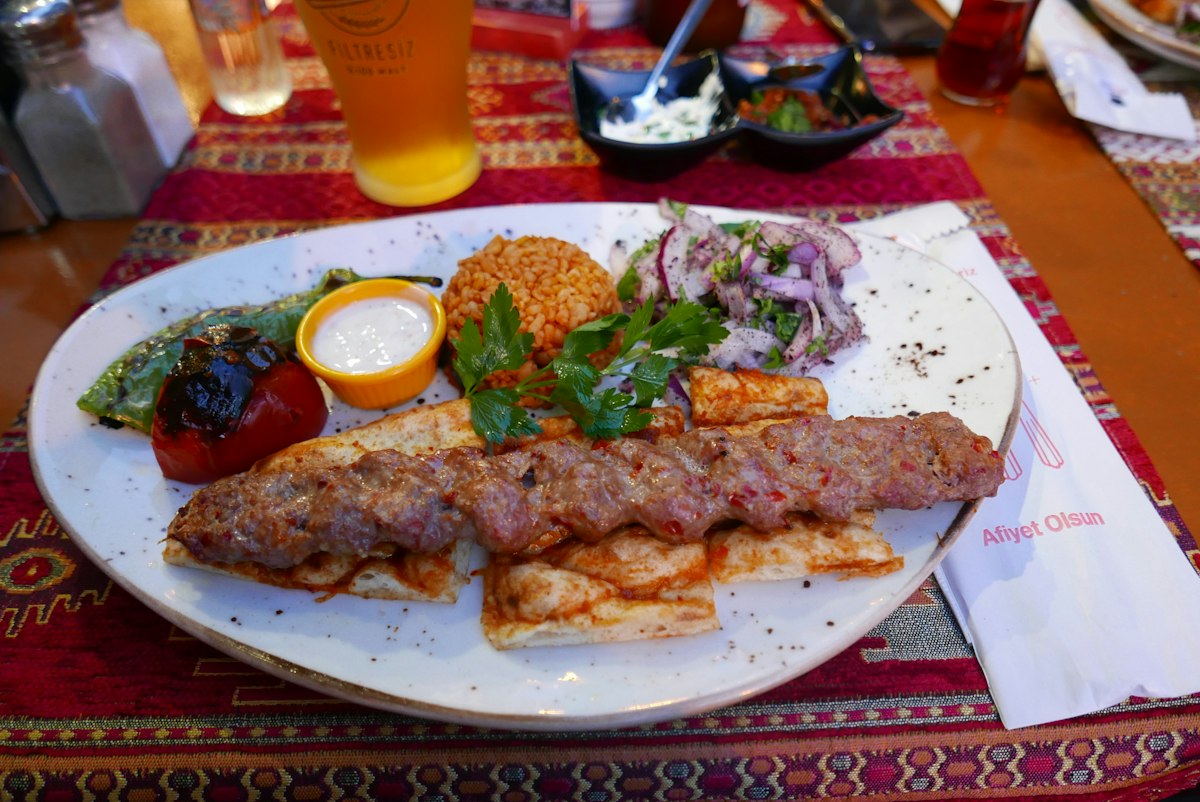
All roads lead to carbonara
From carbonara to gelato, what to eat in Rome and where to find it.
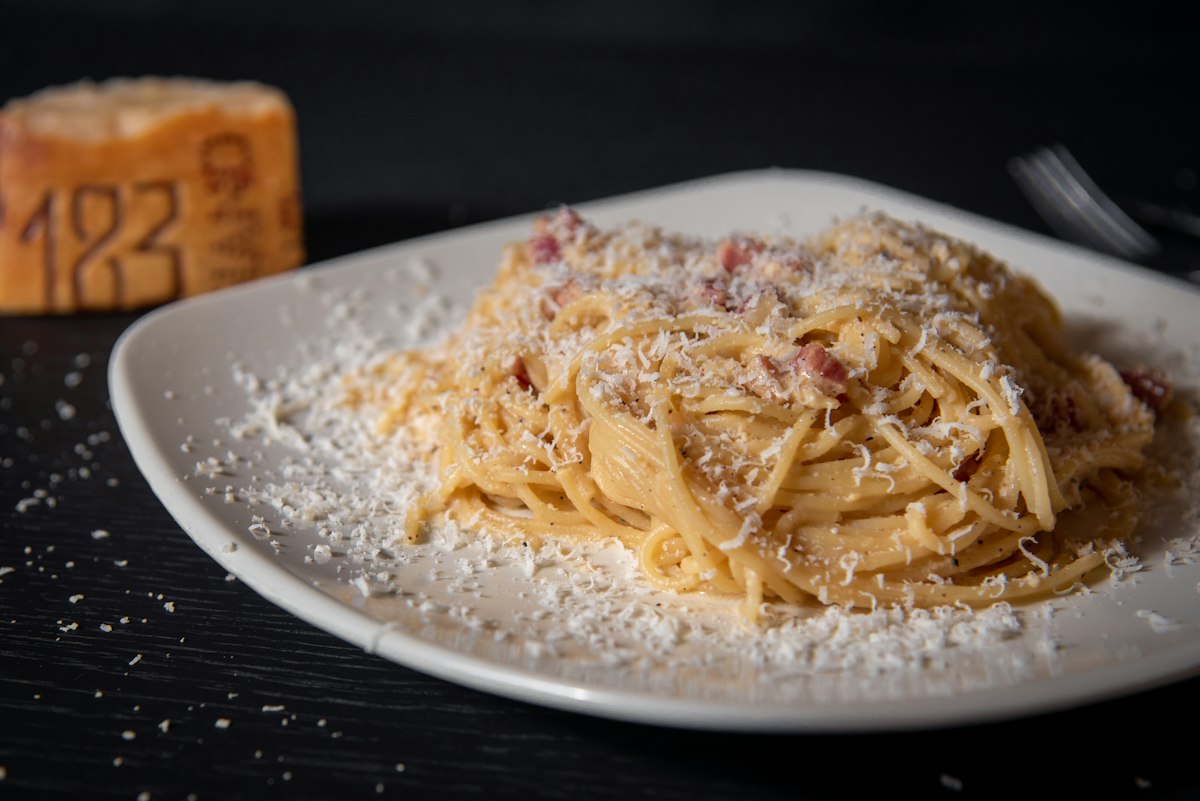
Food in Rome tastes quite different from the Italian cooking familiar in Korea. Carbonara has no cream, pizza is baked in rectangular trays and sold by weight, and desserts lean more on aroma than sweetness. Each meal is a chance to taste the cooking on its home turf.
1. Carbonara, the Roman way
The creamy carbonara familiar in Korea doesn't exist in Italy. The Roman version uses just four ingredients: egg yolks, pecorino, guanciale (pork cheek), and pepper. Roscioli (Salumeria Roscioli) is a deli with a restaurant inside, listed in the Michelin Guide. A plate of carbonara runs about €18~22, and tables go quickly, so book ahead. Da Enzo al 29 in Trastevere captures the neighborhood bistro atmosphere.
2. Cacio e pepe and amatriciana
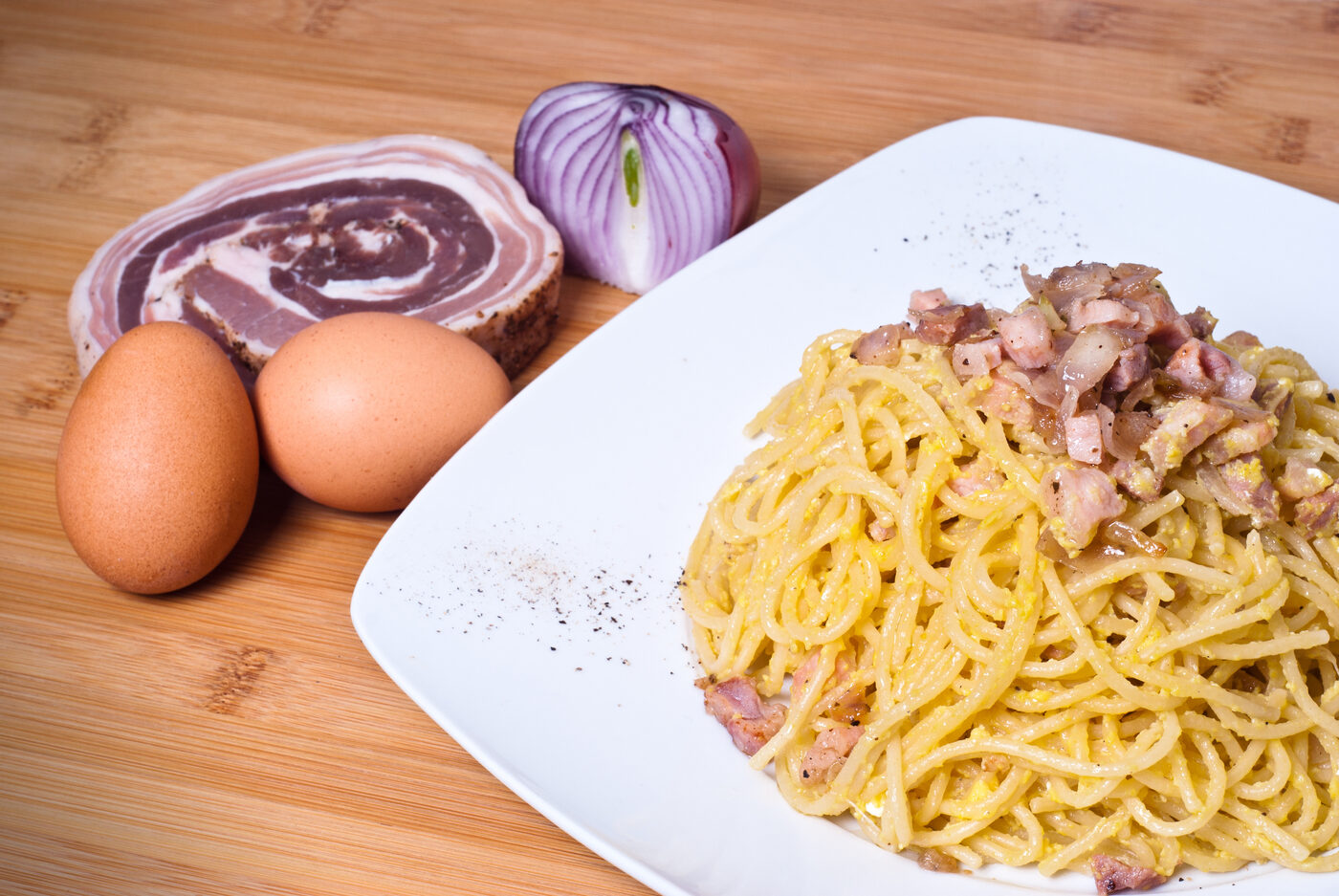
Cacio e pepe is pasta at its simplest, with just pecorino and pepper. Try it at 'Felice a Testaccio'. Amatriciana brings together tomato, guanciale, and pecorino. Head to 'Armando al Pantheon'. Try all three of Rome's signature pastas—carbonara, cacio e pepe, and amatriciana—and you might feel you've covered 80% of its food scene.
3. Pizza al taglio
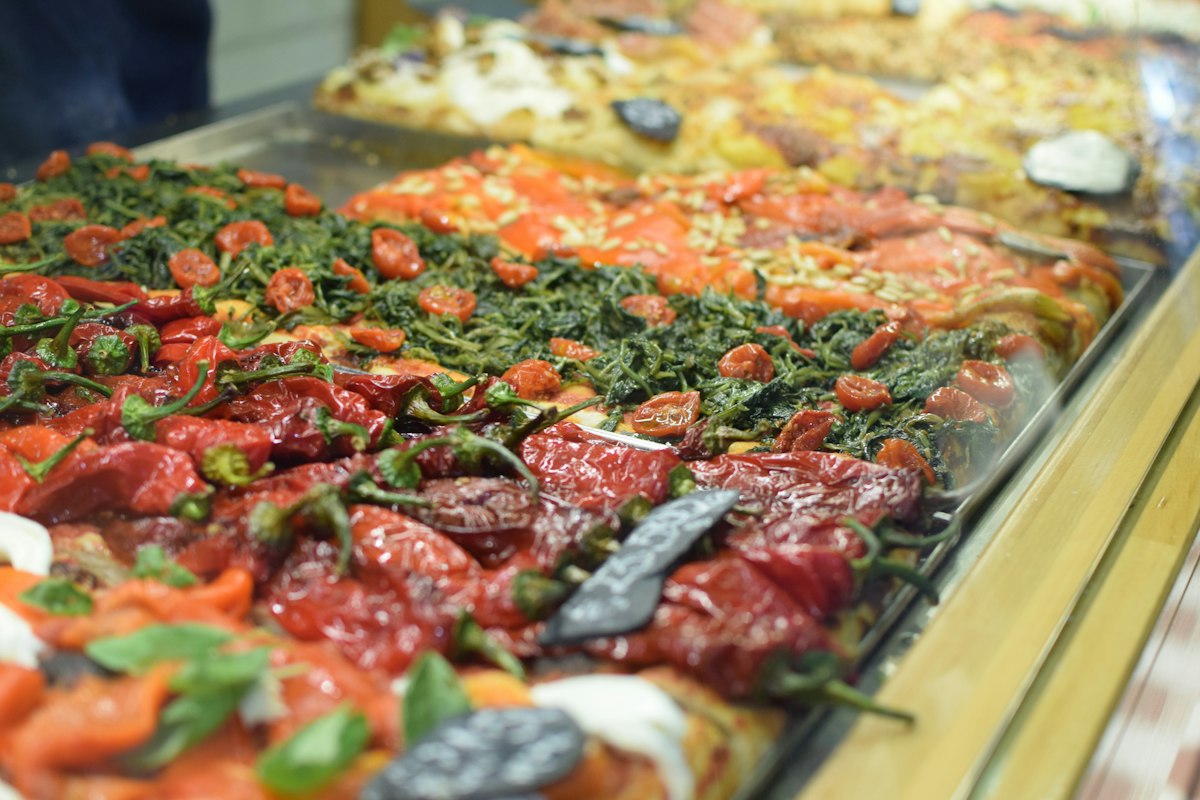
The pizza you'll see all over Rome's streets is 'al taglio': baked in rectangular trays, cut to whatever size you ask for, and sold by weight. Pizzarium, near the Vatican, opened in 2003 and has become the city's most celebrated pizza al taglio shop. A slice costs about €5~10. The chef behind Pizzarium, Gabriele Bonci, also puts his name on Bonci shops, with a few in Rome and more in Chicago. For dinner, try traditional wood-fired pizza, Neapolitan or Roman style. We recommend Sforno and 180g Pizzeria Romana.
4. Gelato: Giolitti or Fatamorgana
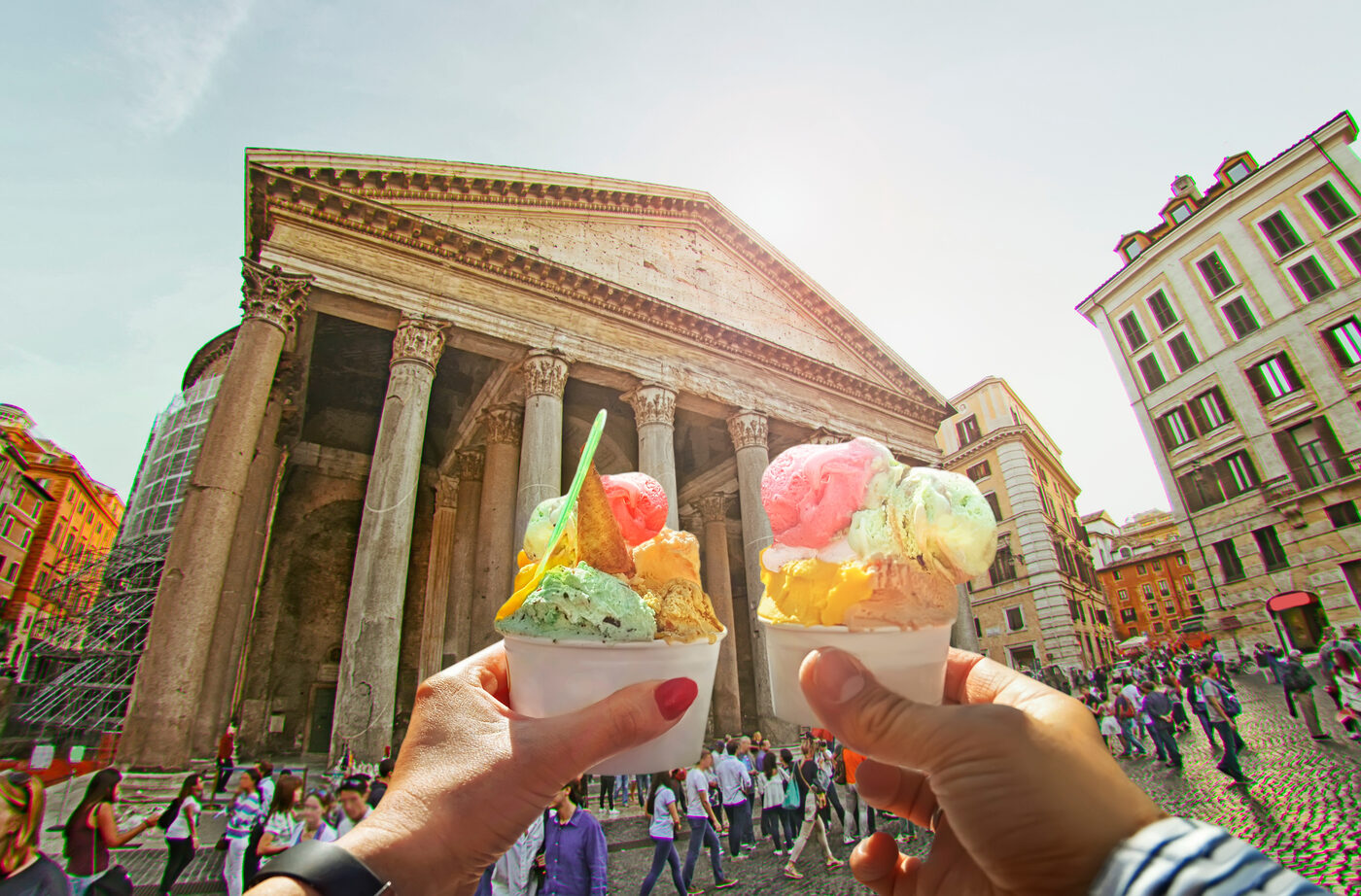
Giolitti, founded in 1900, is the most traditional choice. A cup costs €3~6, and it's a few steps from the Pantheon. Fatamorgana takes a modern approach, with unusual flavors such as chili and chocolate or peppermint and strawberry. Frigidarium offers good value and the option of a dip in dark chocolate. In a Roman summer, you may find yourself eating two or three gelatos a day.
5. Supplì, carciofi, and bomboloni
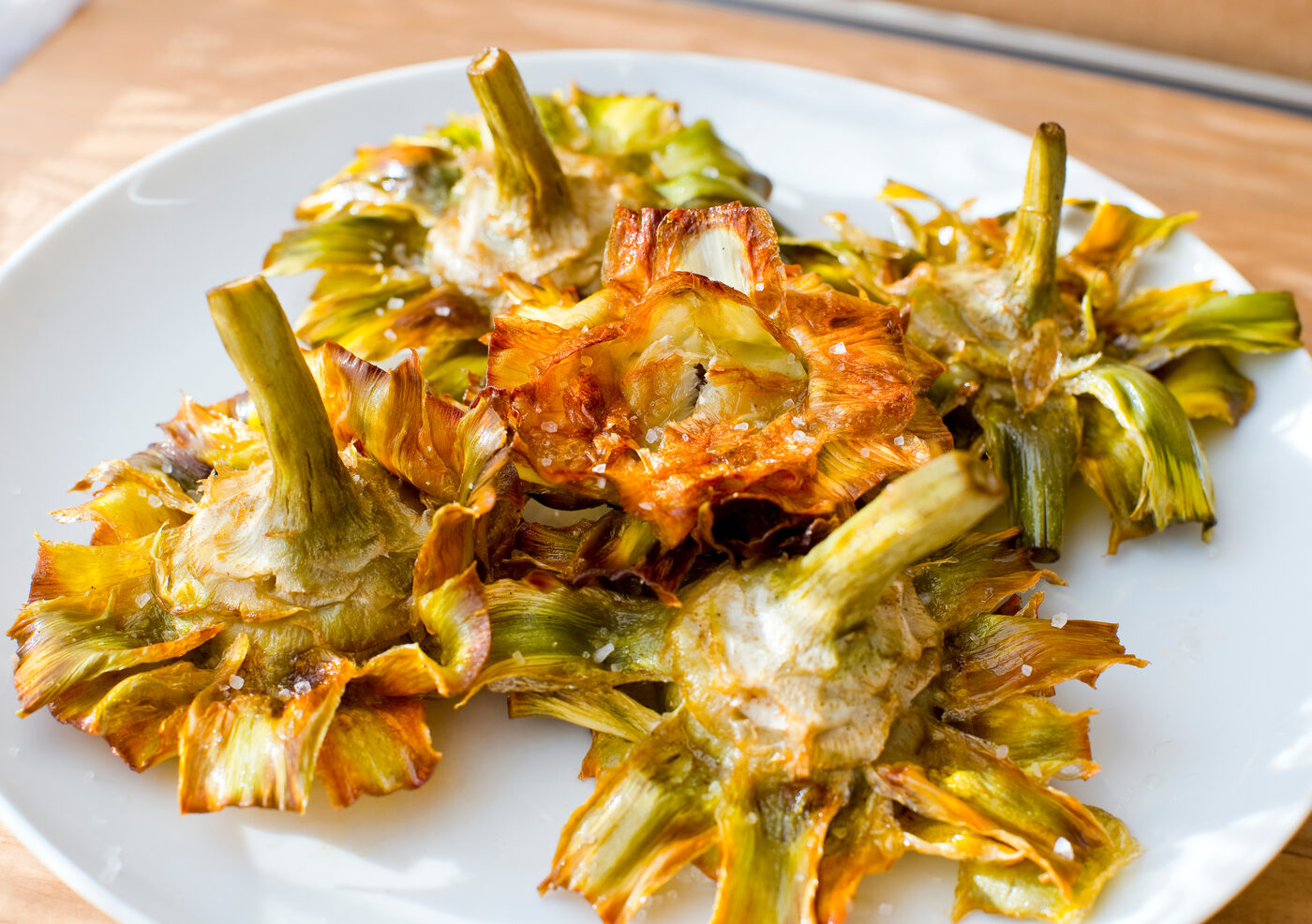
Fried rice balls (Suppli) have melted mozzarella that stretches as you bite in. Try 'Supplizio'. Fried artichokes (Carciofi alla giudia) are a signature dish of the Jewish Quarter. Bombolone is an Italian doughnut to try at a café in the morning.
6. Testaccio and the quinto quarto
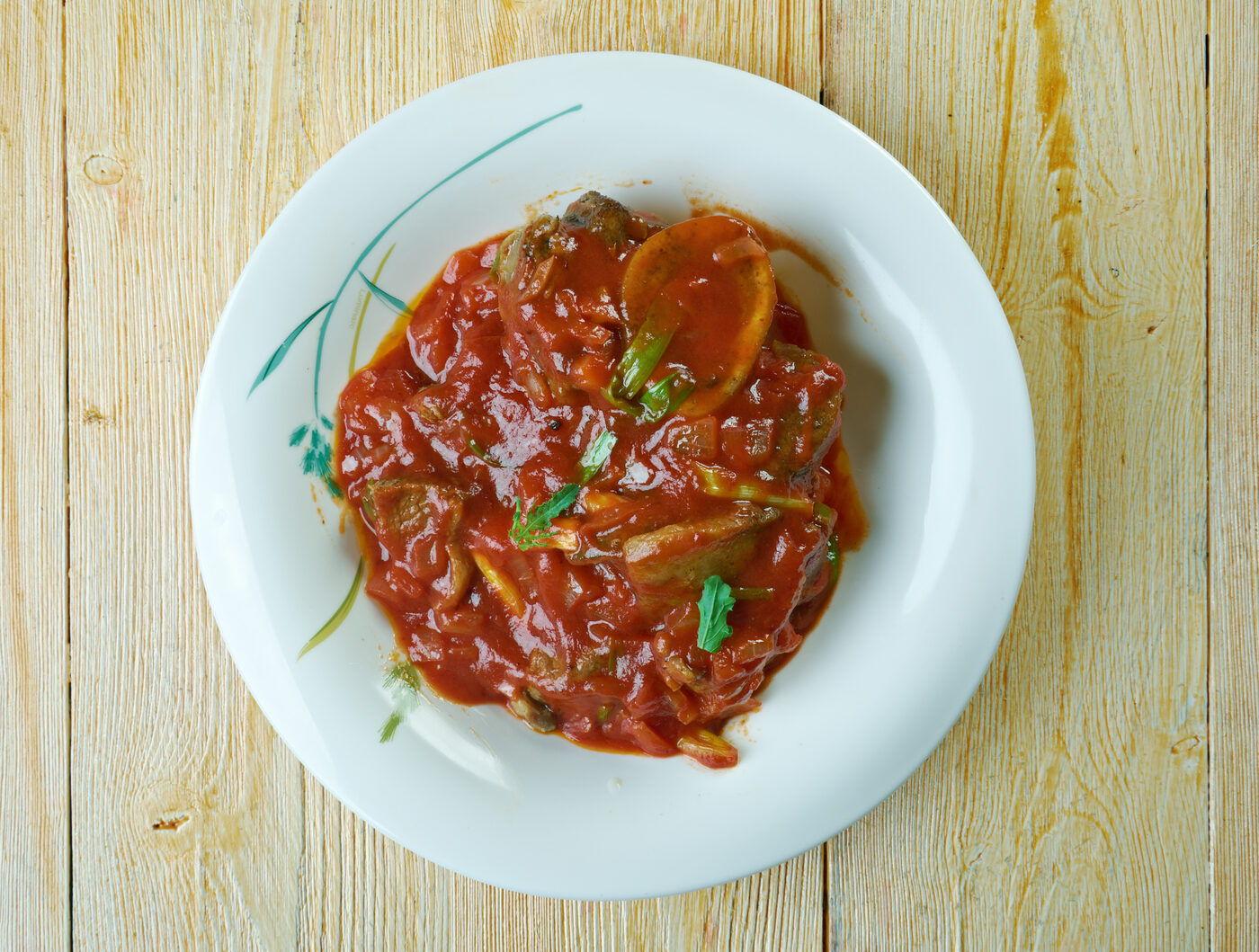
To taste where Roman cooking comes from, head to Testaccio. From around 1890 until 1975, the neighborhood was home to the Mattatoio, one of Europe's largest slaughterhouses. The prime cuts went to the wealthy and the clergy; what was left, the offal and tail known as the 'quinto quarto' (the fifth quarter), often went home with the slaughterhouse workers as part of their pay. Slow cooking and bold seasoning turned those cuts into meals, and dishes like coda alla vaccinara, oxtail braised in tomato, became Roman home cooking. The slaughterhouse has closed, but the neighborhood trattorias still serve them.
Book
We are not party to bookings. Provider terms govern bookings/payments/refunds. We earn commission on our link bookings.