Sintra: one town, three stories
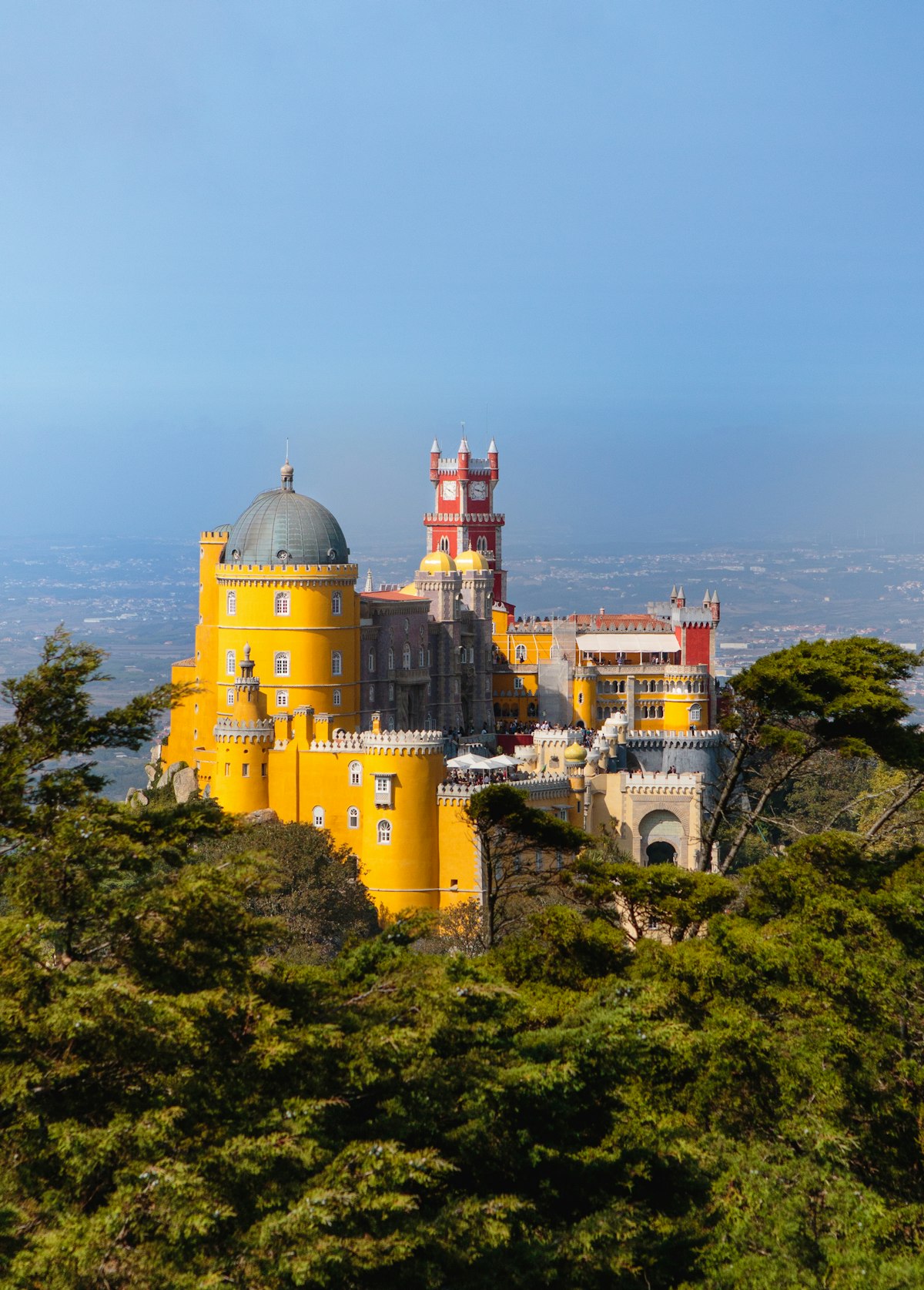
Sintra is 40 minutes from Lisbon by train. With storybook Pena Palace, the Moorish Castle, and Quinta da Regaleira’s gardens, one town gives you three different encounters with historic architecture.
Lord Byron called Sintra a "glorious Eden" in Childe Harold's Pilgrimage. The Sintra hills make their own weather, and the frequent mist gives the palaces in the forest an even more dreamlike air. In 1995 the whole landscape was inscribed as a UNESCO World Heritage site, the Cultural Landscape of Sintra.
1. Pena Palace (Palácio Nacional da Pena)
Built in 1854, the palace is recognizable by its yellow, red, and purple walls. Its eclectic design mixes Moorish, Gothic, Manueline, and Renaissance styles. Admission to the palace and park is €20 for adults, or €12 for the park alone. Palace tickets are sold for a specific date and time.
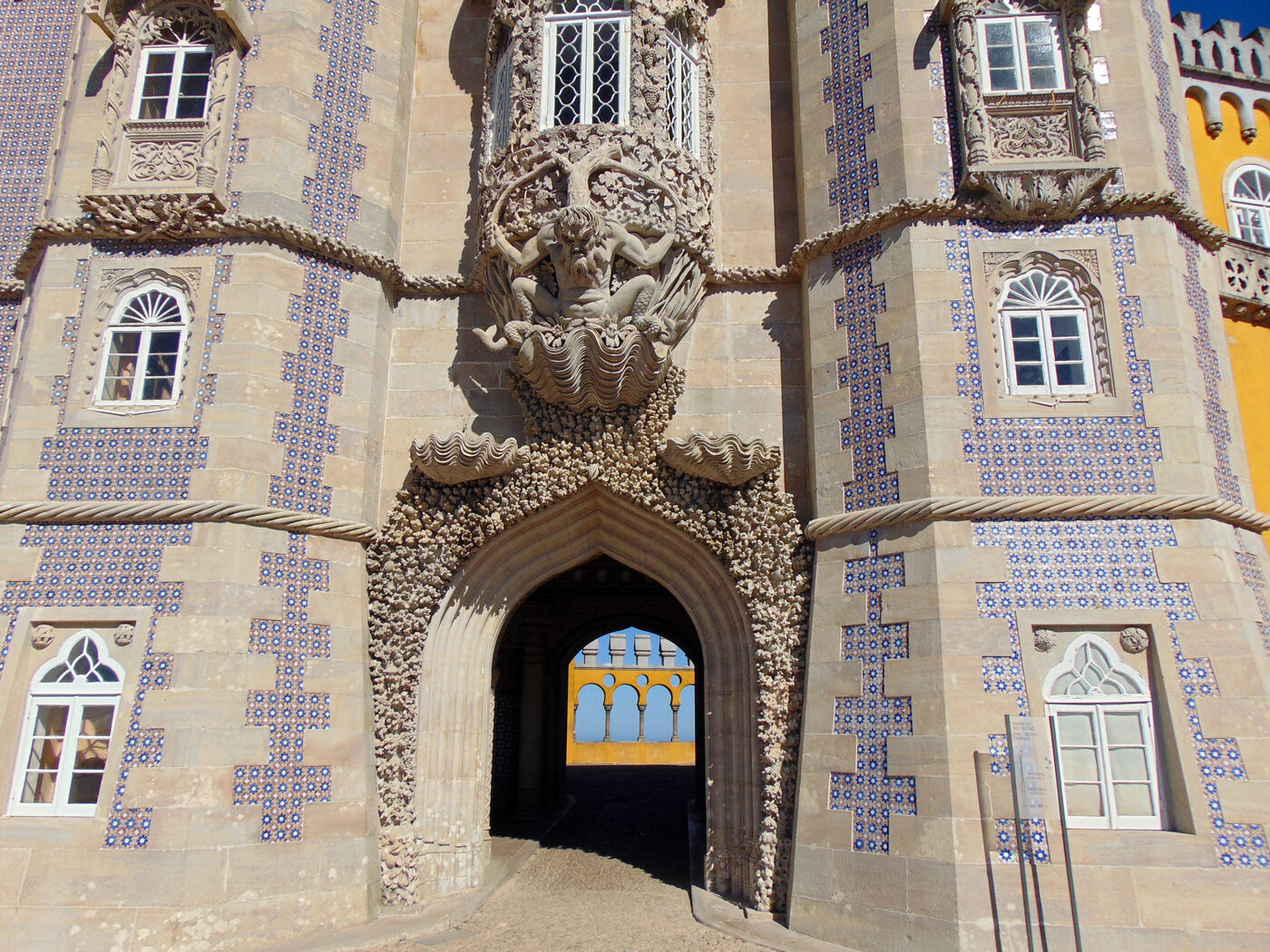
The hilltop was once home to a chapel and monastery dedicated to Our Lady of Pena. Damaged but not destroyed by the 1755 Lisbon earthquake, the site was bought in 1838 by Ferdinand II, who had it rebuilt as a royal summer palace, with the mineralogist and mining engineer Baron Eschwege supervising the work. Its red and yellow walls had faded to grey over time; restoration brought the colors back. From the 1890s, King Carlos I and Queen Amélia spent part of their summers at Pena, and the queen's dressing room and tea room, along with the Room of the Final Residents, are still there. On October 5, 1910, the queen heard at Pena that the republic had been proclaimed. She left the palace that day for Mafra, and from Ericeira sailed on the royal yacht to Gibraltar. The royal summers ended with her departure.
2. The Moorish Castle (Castelo dos Mouros)
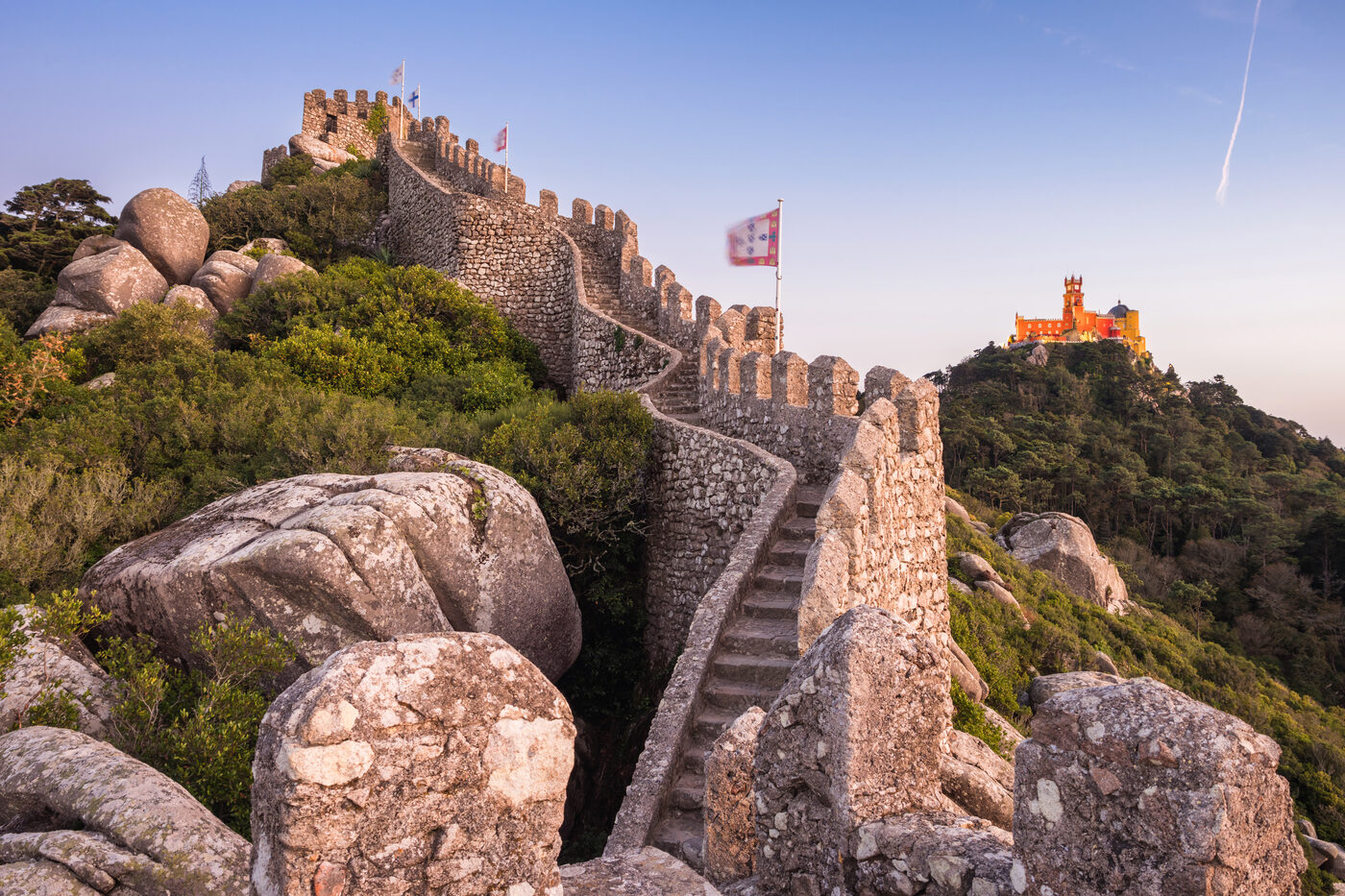
The Moors built this fortress in the 10th century. It’s a 20-minute walk from Pena Palace. Old walls follow the mountain ridge, with views in every direction. Adult admission is €12.
3. Quinta da Regaleira’s gardens
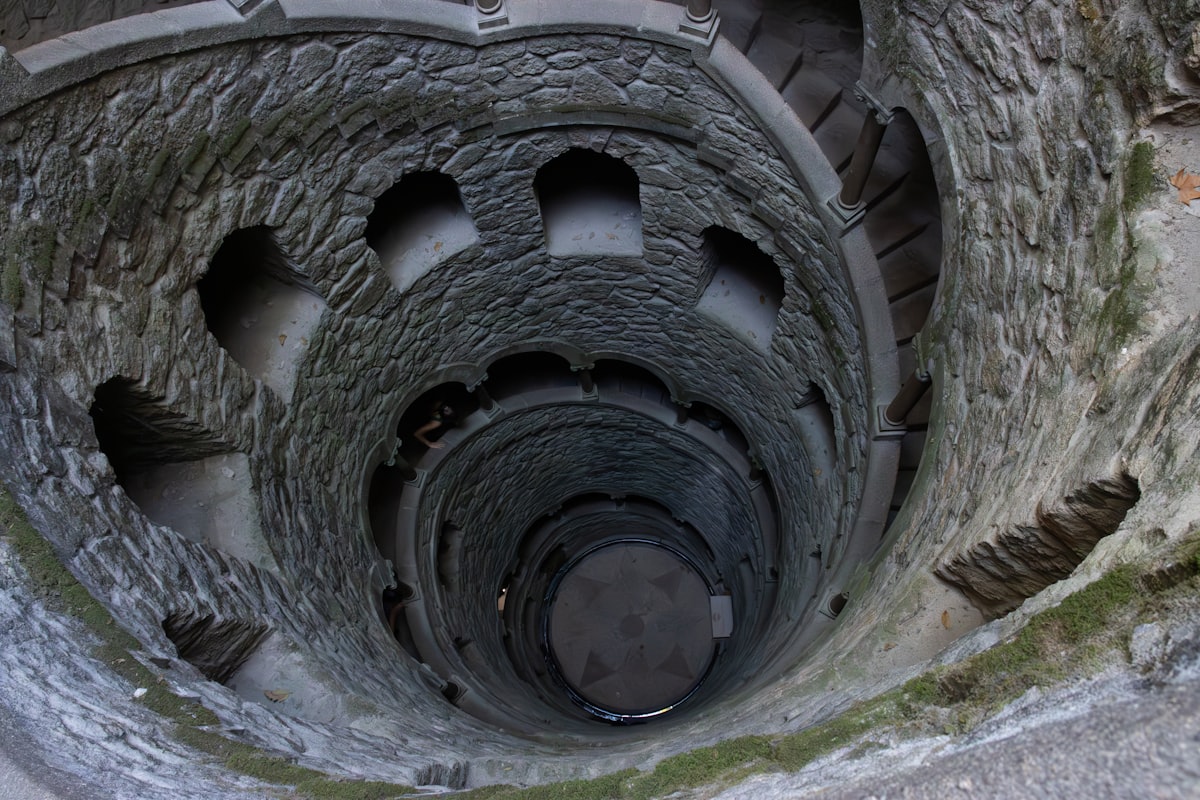
Built between 1904 and 1910, this was the private garden of the collector Carvalho Monteiro. It’s filled with symbols of mysticism, alchemy, and Freemasonry. Initiation Well — A 27 m-deep spiral well, the first stop for photos. Tunnels — A network of underground passages links grottoes, the chapel, and the palace. Adult admission is €20.
True to its name, the Initiation Well feels more ceremonial than practical. Its spiral staircase is divided into nine flights, read by some as the nine circles of Dante's Inferno and by others as a nod to the nine founders of the Knights Templar. The Italian architect Luigi Manini designed the estate.
A taste of Sintra: travesseiros
Travesseiros — Sintra’s signature pastries are long and pillow-shaped, filled with an almond-scented egg cream. Casa Piriquita is the place to try them, at €2 each. Queijada — A small cheese tart, once made in Sintra’s old monasteries. Restaurante Tacho Real — Traditional Portuguese food, with lunch at €15~25.
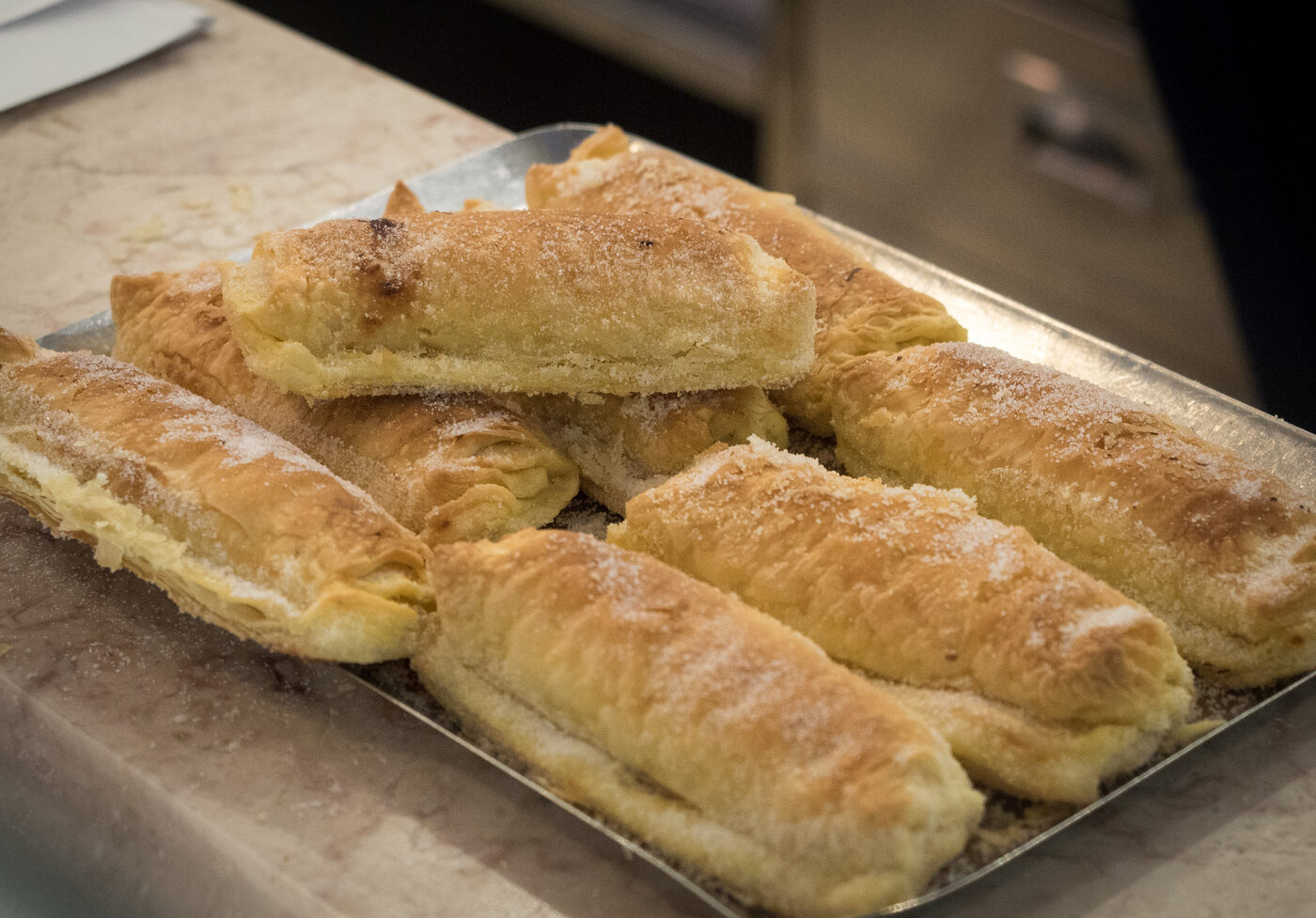
Casa Piriquita was opened in 1862 by the baker Amaro dos Santos and his wife, Constância Gomes. King Carlos I, who spent his summers in Sintra, nicknamed her Piriquita for her small stature, and queijadas were his favorite. The travesseiro came later, created in the 1940s by the founders' granddaughter.
A route for one full day
Leave Lisbon at 8 a.m. and reach Sintra at 9 a.m. Visit Pena Palace at 9:30 a.m., while it’s quieter, then the Moorish Castle at 11:30 a.m. Have lunch in town at 1 p.m., followed by Quinta da Regaleira at 2:30 p.m. At 5 p.m., stop at a town cafe for a travesseiro before returning to Lisbon at 7 p.m.
Book
We are not party to bookings. Provider terms govern bookings/payments/refunds. We earn commission on our link bookings.