Lisbon, one tram ride and one lane at a time
Lisbon feels warm and welcoming, with lanes, trams, and sunsets all in one place.
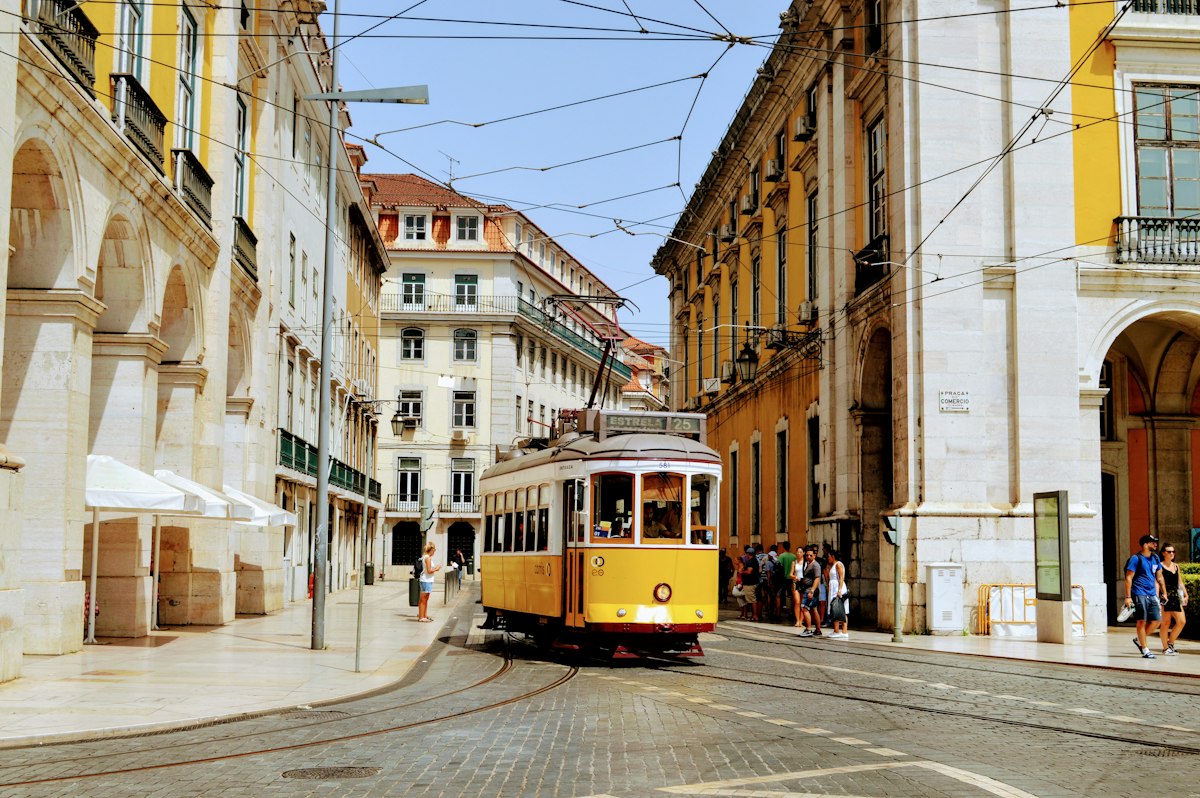
Lisbon is Europe’s best-value historic capital. Yellow trams roll down narrow streets; in Alfama, laundry hangs between windows. Along the river, sunset spreads a wash of pink. It’s these everyday scenes that make the city feel welcoming.
Day 1: arrival and Alfama
From Lisbon airport, the metro takes 30 minutes to the center. Spend the first day in Alfama. Visit São Jorge Castle, walk the narrow lanes, and watch sunset by the river before your first dinner at the fado bar Tasca do Chico.
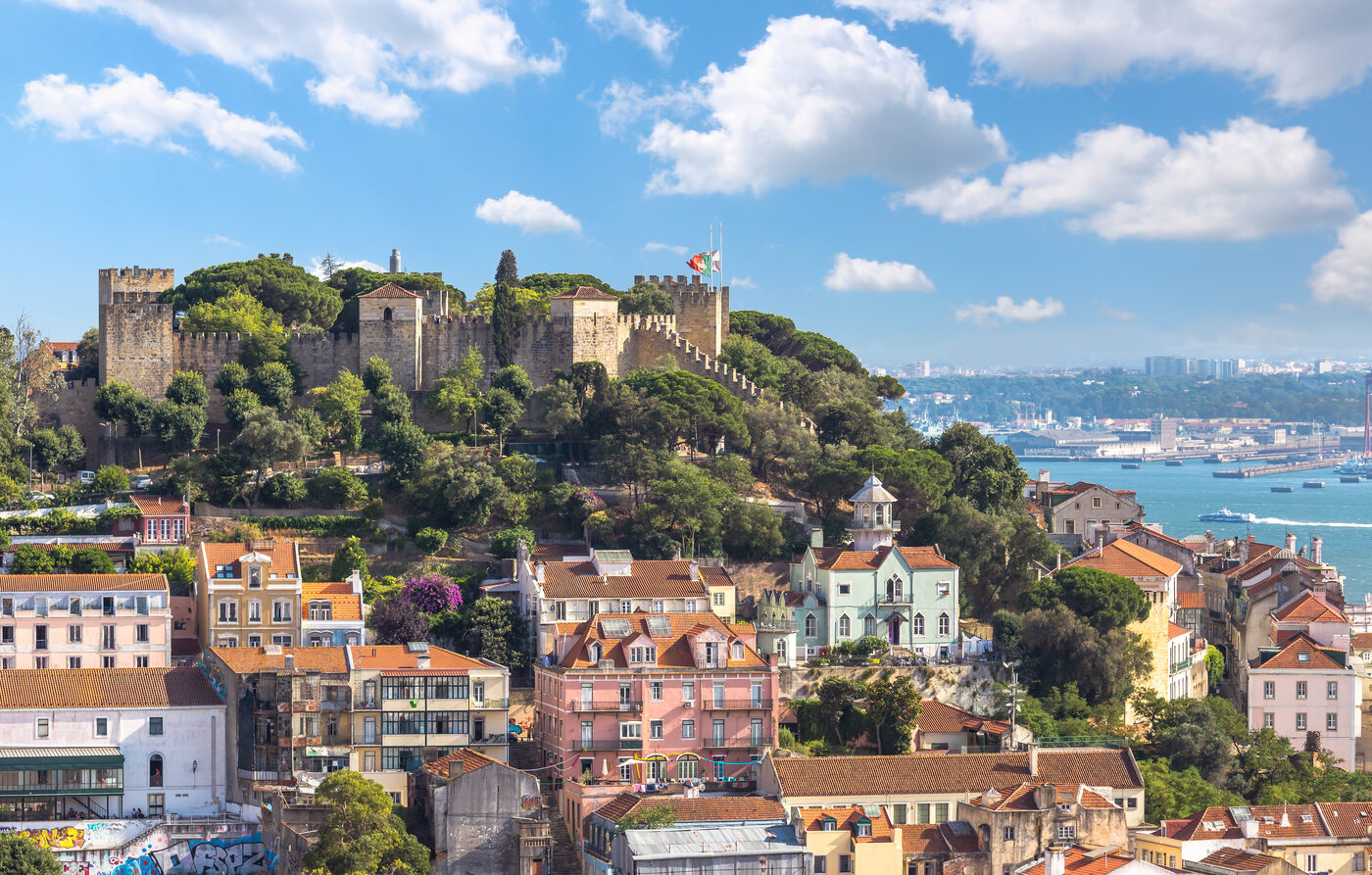
The name Alfama comes from the Arabic al-hamma, meaning “hot springs.” Under Moorish rule, this hillside was the whole of Lisbon, and when the 1755 earthquake devastated the city, Alfama survived. Unlike Baixa, which the Marquis of Pombal rebuilt afterward on a neat grid, Alfama is still a maze of stairways and narrow lanes. Long home to fishermen and working families, it's where laundry flutters between the houses and fado drifts into the evening.
Day 2: Tram 28 and Belém
Tram 28 — A Lisbon signature. The one-hour route runs from Alfama through Baixa and Chiado to Estrela. An onboard ticket is about €3.30; a 24-hour pass is about €7. Lisbon's first trams, in 1873, were pulled by horses, and electric trams arrived in 1901. Parts of the city's steep, narrow terrain can only be crossed by small trams, which is why the vintage-style Remodelado cars still climb this route. In the afternoon, head to Belém for Jerónimos Monastery, Belém Tower, and the Monument to the Discoveries. Then try an egg tart at the original Pasteis de Belem.
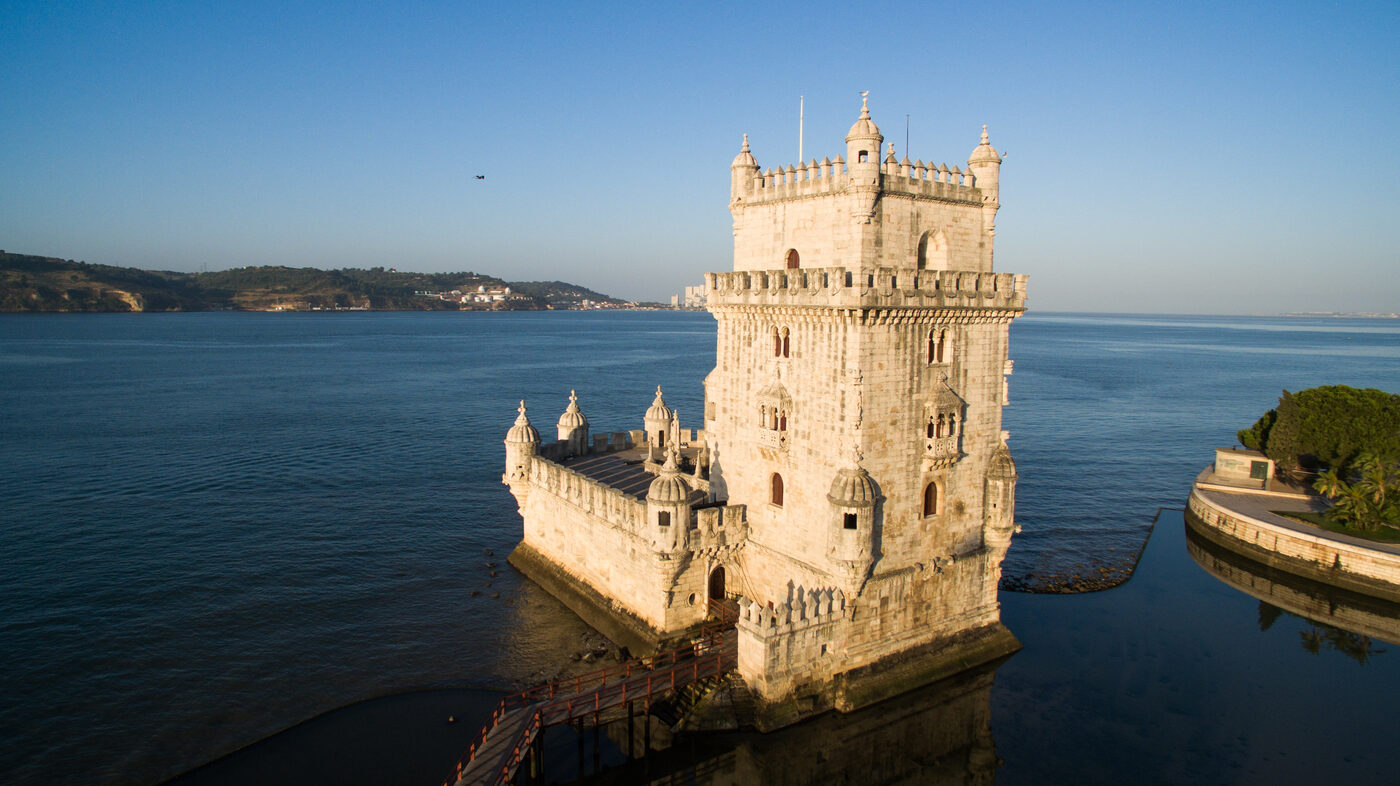
With its first stone laid on January 6 in 1501 or 1502, Jerónimos Monastery is the showpiece of the Manueline style, its stone carved with maritime motifs. Vasco da Gama and the poet Luís de Camões lie in its church, and in 1983 it became a UNESCO World Heritage site together with Belém Tower.
There's a monastery story inside every Belém tart. The monks of Jerónimos used egg whites to starch their clothes and baked the leftover yolks into pastries. When the monastery closed in 1834, the recipe passed to a neighboring sugar refinery, whose owners opened what is now Pastéis de Belém in 1837. The original recipe is still kept in a secret room on the premises.

Day 3: a day trip to Sintra
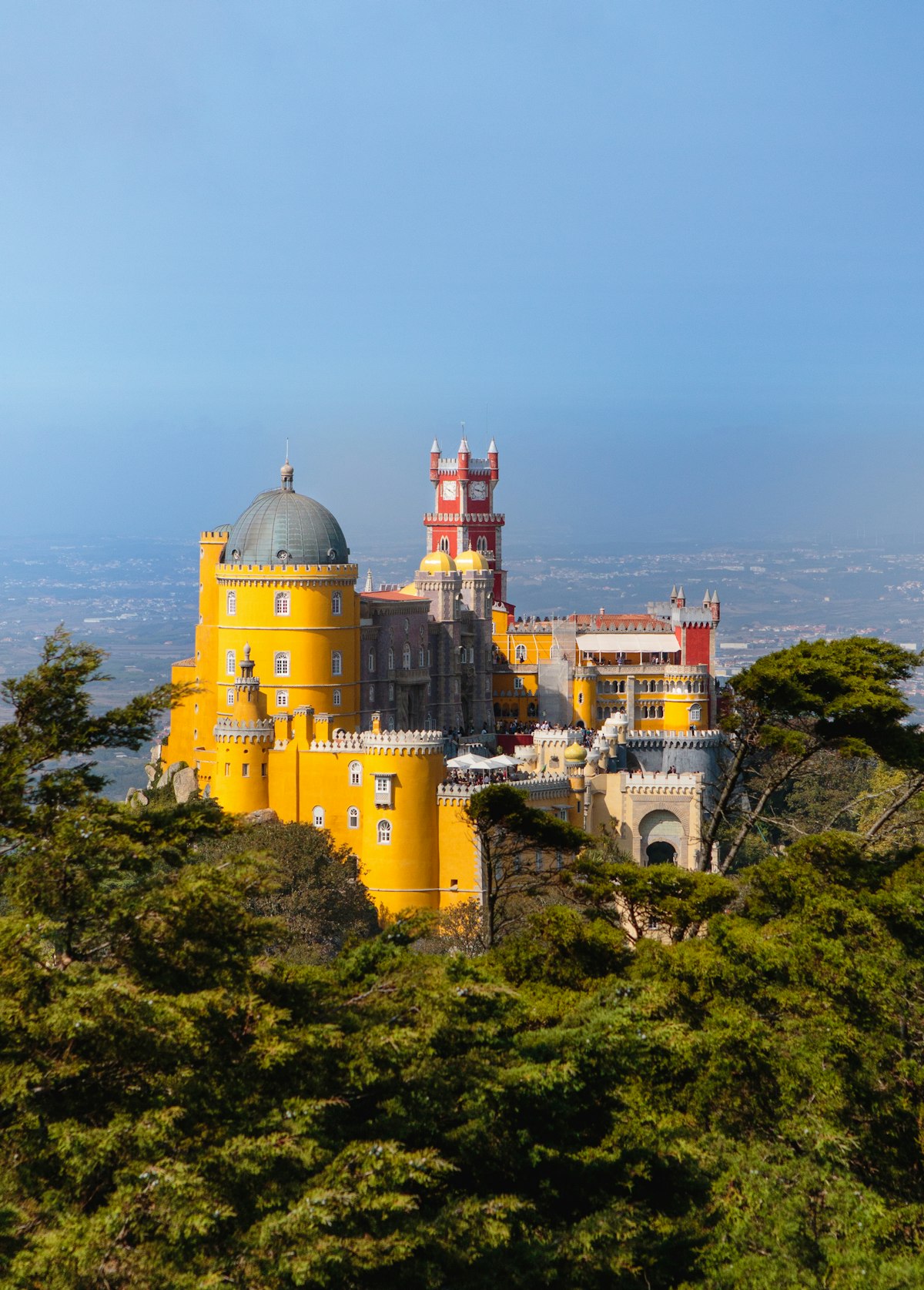
Sintra is 40 minutes from central Lisbon by train. Visit Pena Palace, the Moorish Castle, and Quinta da Regaleira’s gardens for a setting that feels like a storybook. Ferdinand II bought an old hilltop monastery and built Pena between 1842 and 1854 as a royal summer palace, mixing Neo-Gothic, Neo-Manueline, and Neo-Islamic styles behind red and yellow walls you can spot from far away. Since 1995, it has been part of the Cultural Landscape of Sintra, a UNESCO World Heritage site. We recommend leaving a day free for it. A standard adult ticket for Pena Palace and its park is €20.
Day 4: Alfama, fado, and a final evening
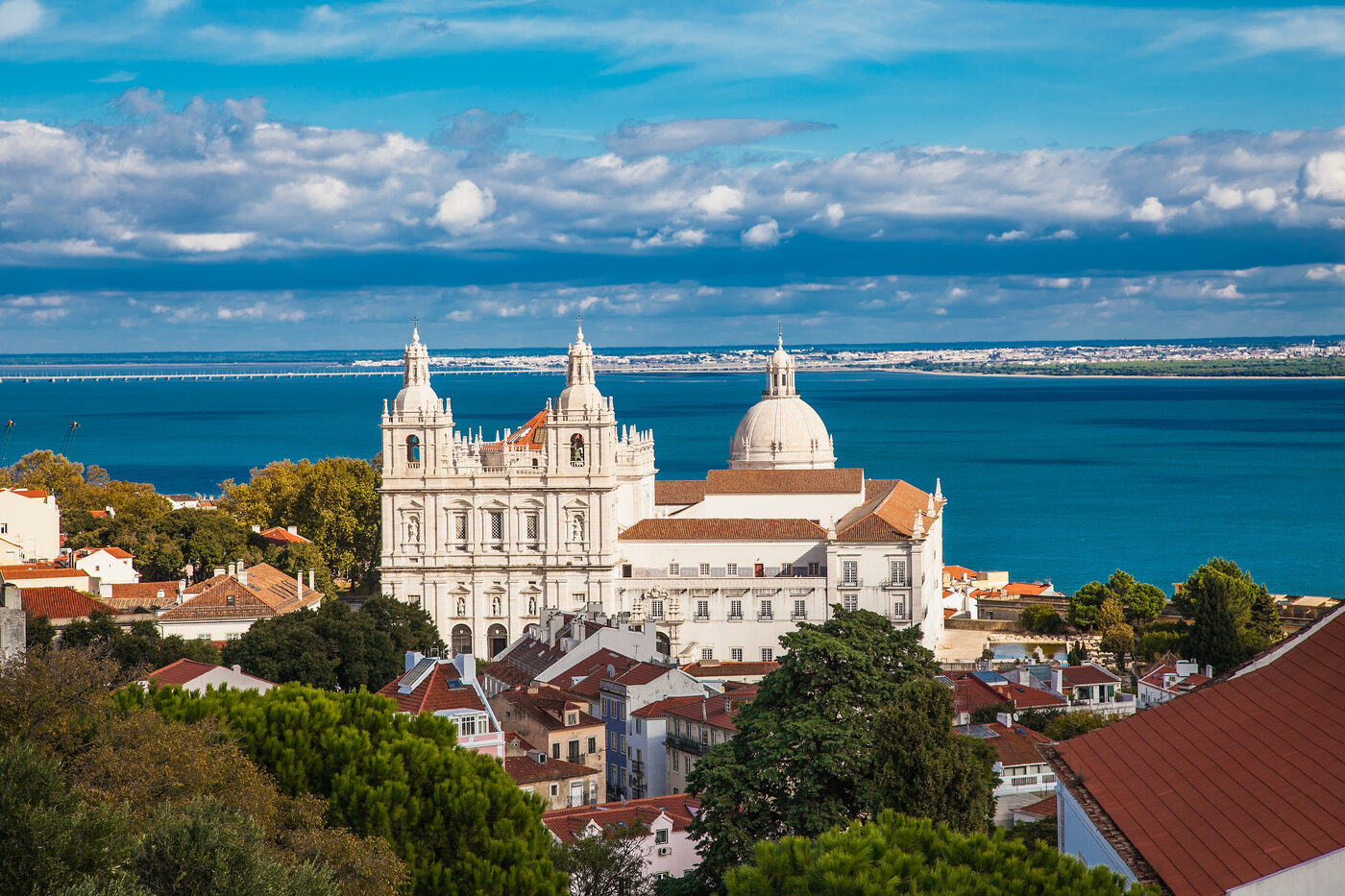
Walk through Alfama at dawn, then visit São Vicente Church in the morning. Have lunch at Time Out Market, a food hall with 26 restaurants, and spend the afternoon shopping in Chiado. Finish with an evening at a traditional fado bar. Fado, Portugal’s traditional music, sits somewhere near the blues: songs of longing sung close enough to touch. We recommend Mesa de Frades and Tasca do Chico.
Book
We are not party to bookings. Provider terms govern bookings/payments/refunds. We earn commission on our link bookings.