Fukuoka: a weekend within easy reach
Fukuoka is our first recommendation for a first trip to Japan. It’s the easiest city to ease into.
Fukuoka is the Japanese city closest to the rest of Asia: Seoul is a 90-minute flight, Shanghai under two hours. That is why one- and two-night trips are so common here. If Tokyo or Osaka feels daunting, this is the city we most often suggest starting with.
First impressions
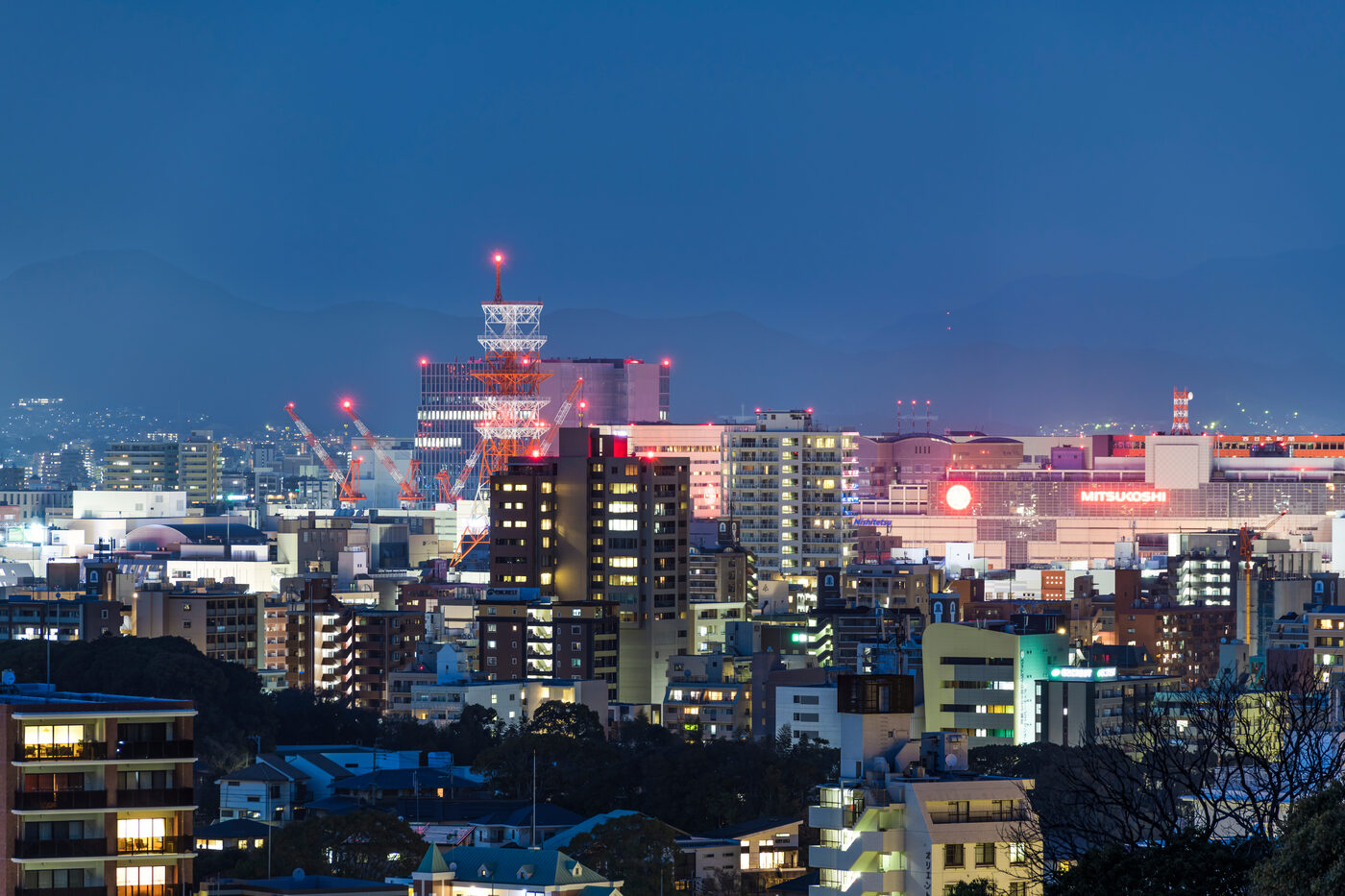
With about 1.6 million people, Fukuoka is Kyushu's largest city, yet it's far smaller in scale than Tokyo or Osaka. Anywhere in the city is within a 15-minute subway ride. That compact size helps a short visit leave a lasting impression. The city divides into Hakata, centered on JR Hakata Station, and Tenjin, around Tenjin Station. Hakata is the hub for business, the Shinkansen, and ramen; Tenjin is for department stores, shopping, and restaurants. They're 5 minutes apart by subway or a 25-minute walk, making routes easy to plan.
Day 1 — Arrive, eat ramen, visit the yatai
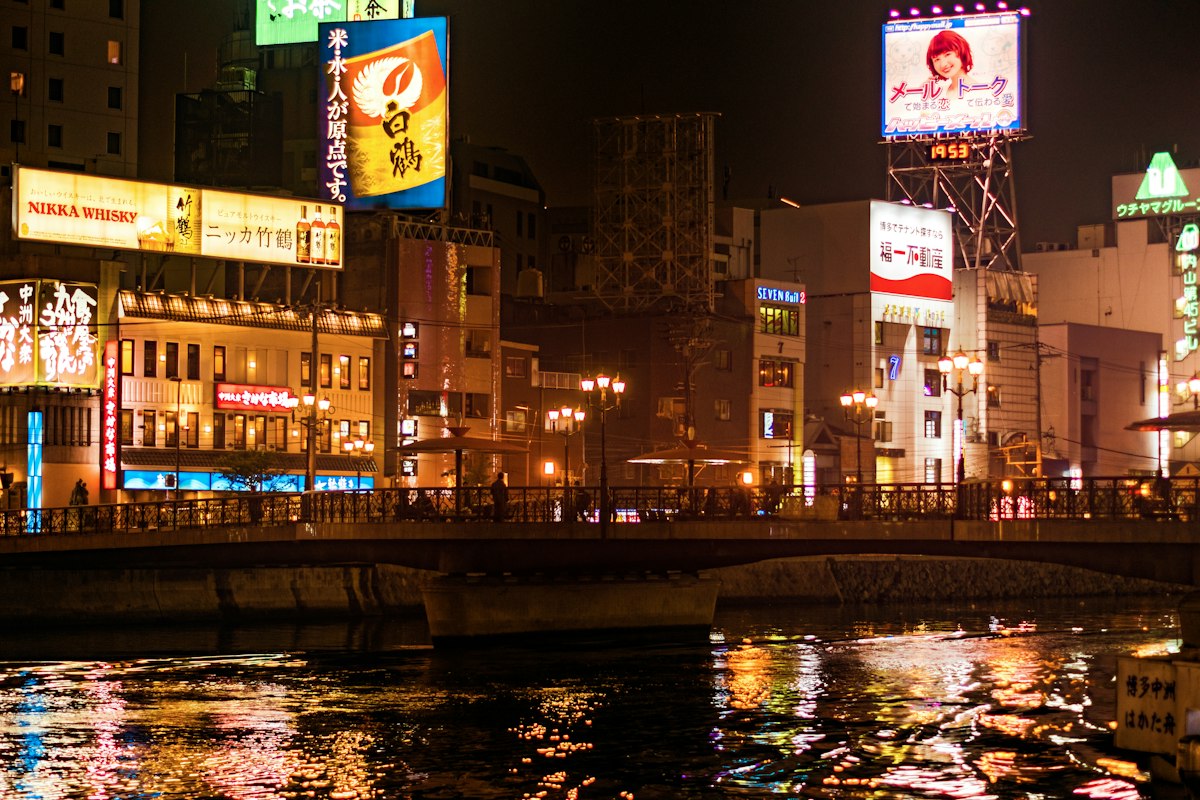
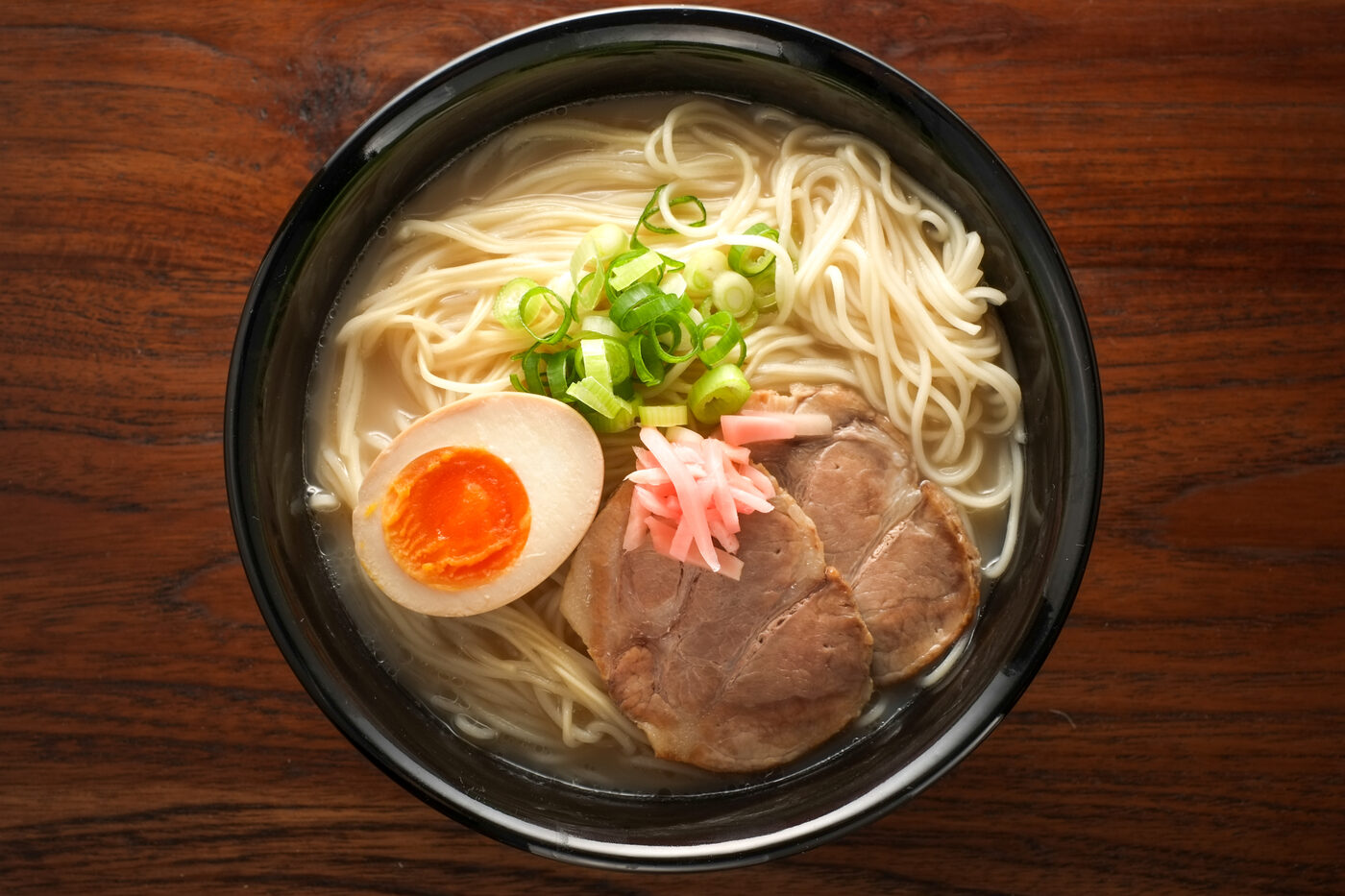
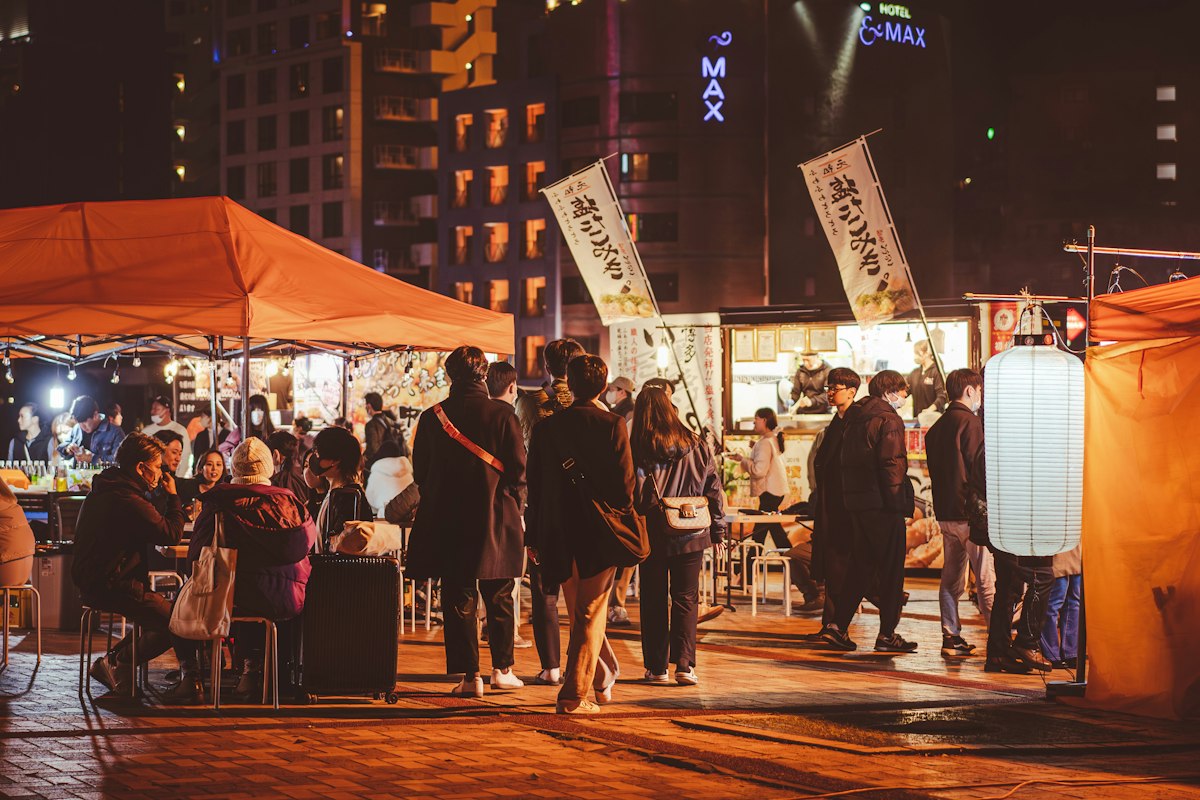
Take the subway from the airport for 5 minutes, then check into your hotel. For your first meal, we'd choose Hakata ramen at the Ippudo flagship in Daimyo or Muginokaori in Tenjin. The rich, milky tonkotsu broth and thin noodles taste different from the ramen you've had in Korea. Tonkotsu ramen was first made in 1937 at a food stall in Kurume, in Fukuoka Prefecture, as cheap, quick food for fish-market workers. You choose how firm you want your noodles, and when they're gone, call out “kaedama” for a second serving of noodles in the same broth. In the evening, head to the yatai food-stall street in Nakasu. Yellow signs line the river. Shared counters, shoulder-to-shoulder seats, and conversations with the person beside you make a scene you'd only find in Fukuoka.
Fukuoka is now the heart of Japan's yatai culture. Across the prefecture, the number of stalls fell from 450 in the 1960s to about 100 by 2018, partly because a 1994 rule let a license pass only to a direct descendant. The city has since relaxed its rules and issued 14 new licenses in 2019, and each night the stalls still light up in rows along the streets of Nakasu and Tenjin.
Day 2 — Dazaifu and shopping in Tenjin
Spend the morning at Dazaifu Tenmangu, a 30-minute train ride from the city. The shrine honors the deity of learning and is at its finest during plum-blossom season, from late February to early March. Try umegae mochi, plum-shaped rice cakes, in the lane at the entrance. Return to Tenjin for an afternoon of shopping at Daimaru, Mitsukoshi, Iwataya, and TENJIN CHIKAGAI, an underground shopping street styled after the old streets of Europe. For dinner, try motsunabe, an offal hot pot, at Oyama or Rakutenchi. Rich broth, tender offal, and ramen noodles added at the end make the meal.
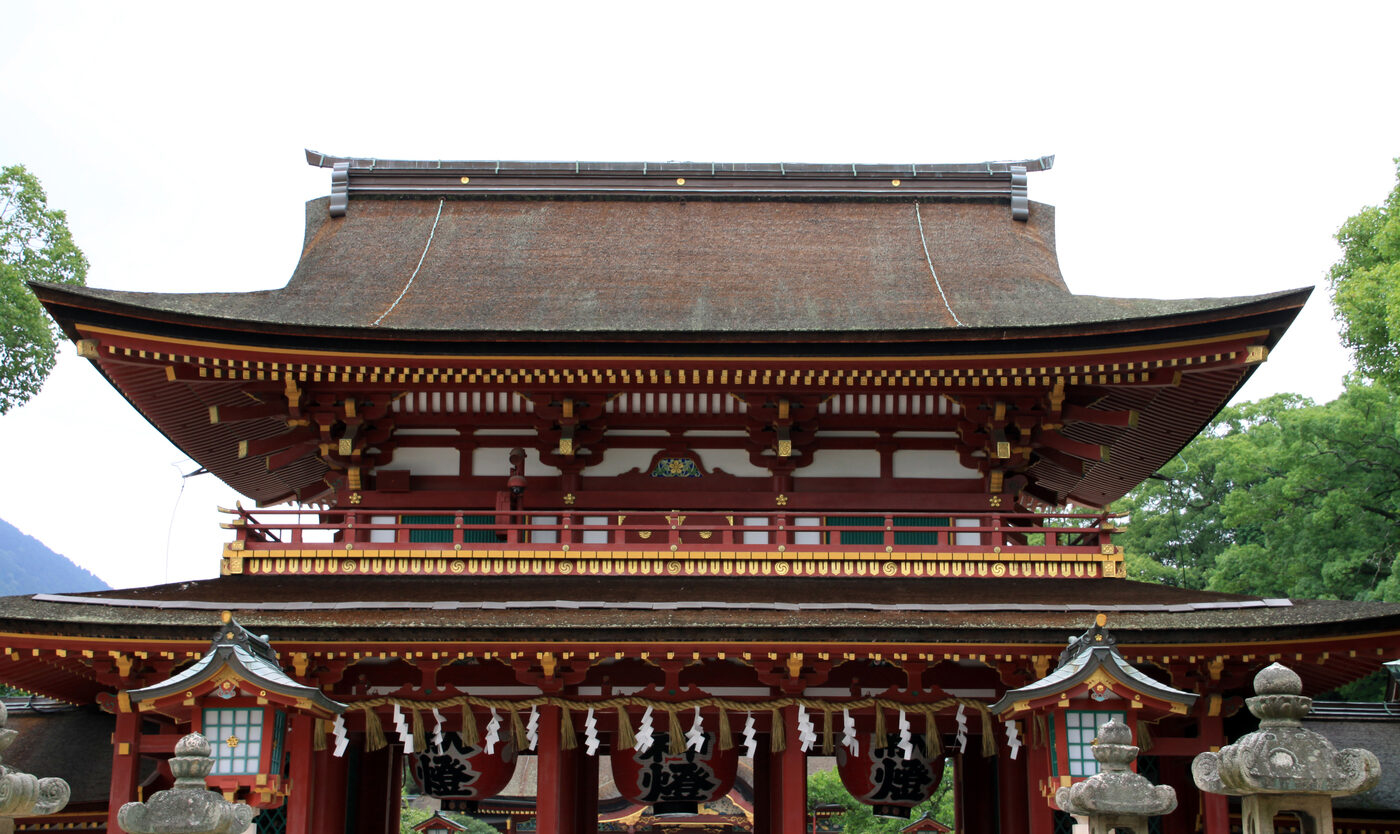
The deity of learning enshrined at Dazaifu Tenmangu is Sugawara no Michizane, a scholar and statesman. Exiled from Kyoto to Dazaifu, he died here in 903, and in 919 a shrine was built over his grave. Legend says the plum tree from his Kyoto garden missed him so much that it flew here to be with him; today the grounds hold 6,000 plum trees of about 200 varieties.
Day 3 — Canal City and the flight home
Canal City Hakata is a shopping complex built around a “city of canals” concept. The central canal has a fountain show on the hour, while Ramen Stadium brings together 8 ramen shops from across Japan. There's also a food court. In the afternoon, pick up some mentaiko, or seasoned pollock roe, before heading to the airport.
Book
We are not party to bookings. Provider terms govern bookings/payments/refunds. We earn commission on our link bookings.