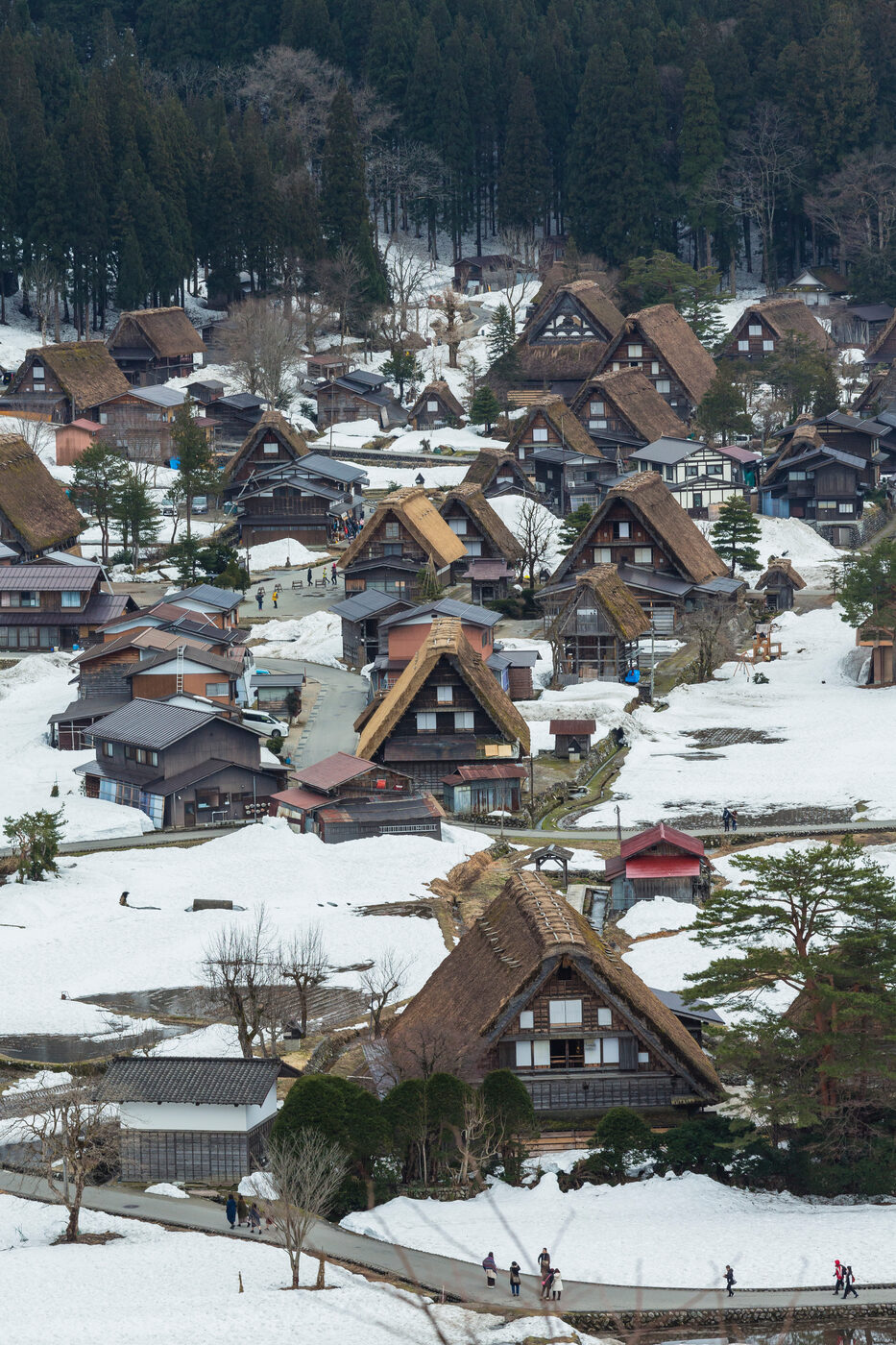
Yufuin or Beppu? Sleep on it

Kyushu is Japan's largest hot-spring region. A 2-hour limited express journey from Fukuoka takes you to Yufuin and Beppu, two of Japan's best-known onsen towns. An overnight ryokan stay, a kaiseki dinner, and an outdoor bath offer an experience of Japan that's uncommon in Korea.
Yufuin or Beppu?
Yufuin is a small mountain village with cafes, lifestyle shops, and galleries. We'd suggest a stay centered on a ryokan. It suits honeymoons, anniversaries, and quiet breaks. Beppu combines a city with hot springs and has Japan's highest hot-spring water output. Its signature tour visits 7 “hells” (地獄). Choose it for family trips, sightseeing, and a variety of activities. For a first visit, we'd recommend Yufuin. On a second trip, try Beppu or combine the two.
A night in Yufuin — Ryokan choices
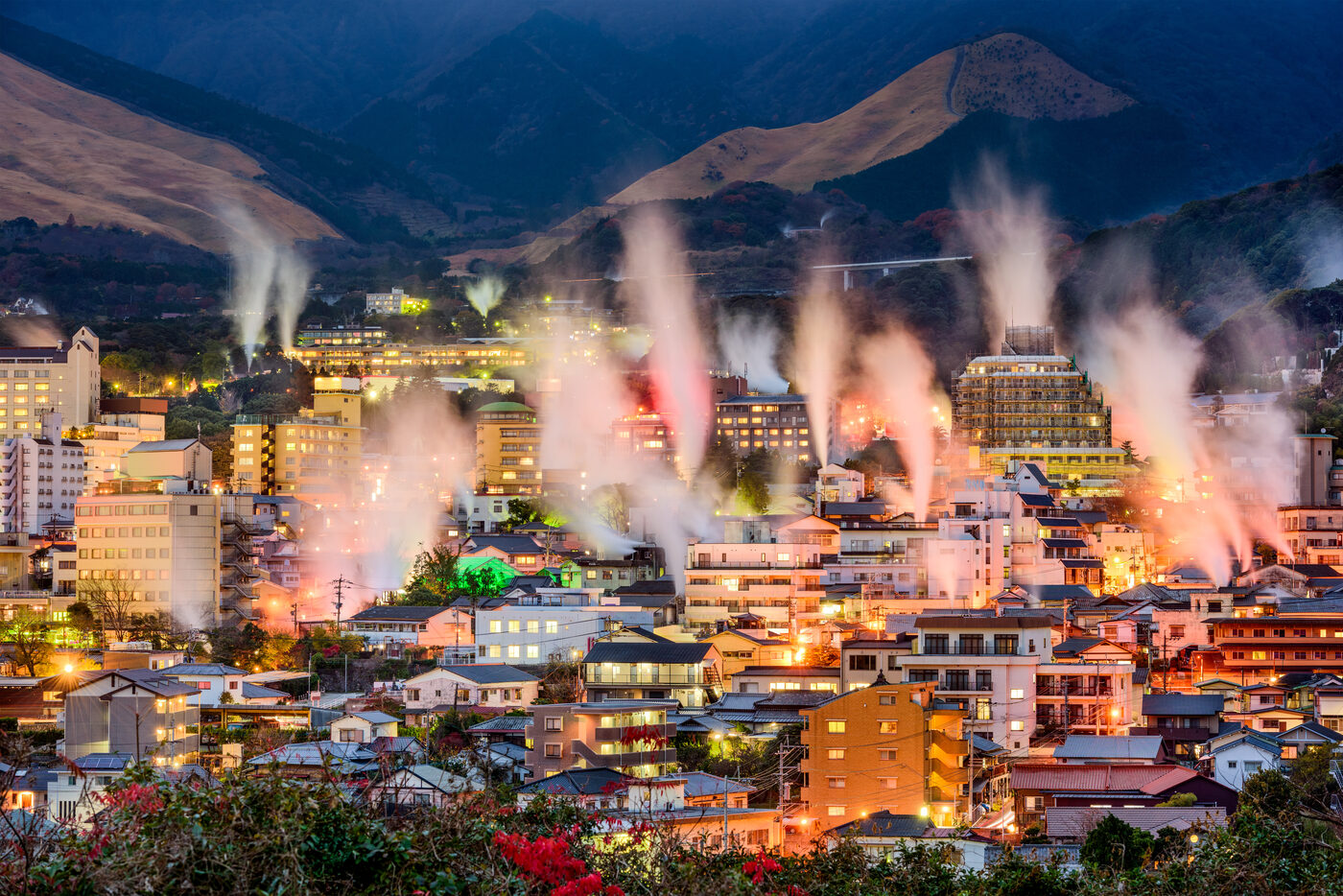
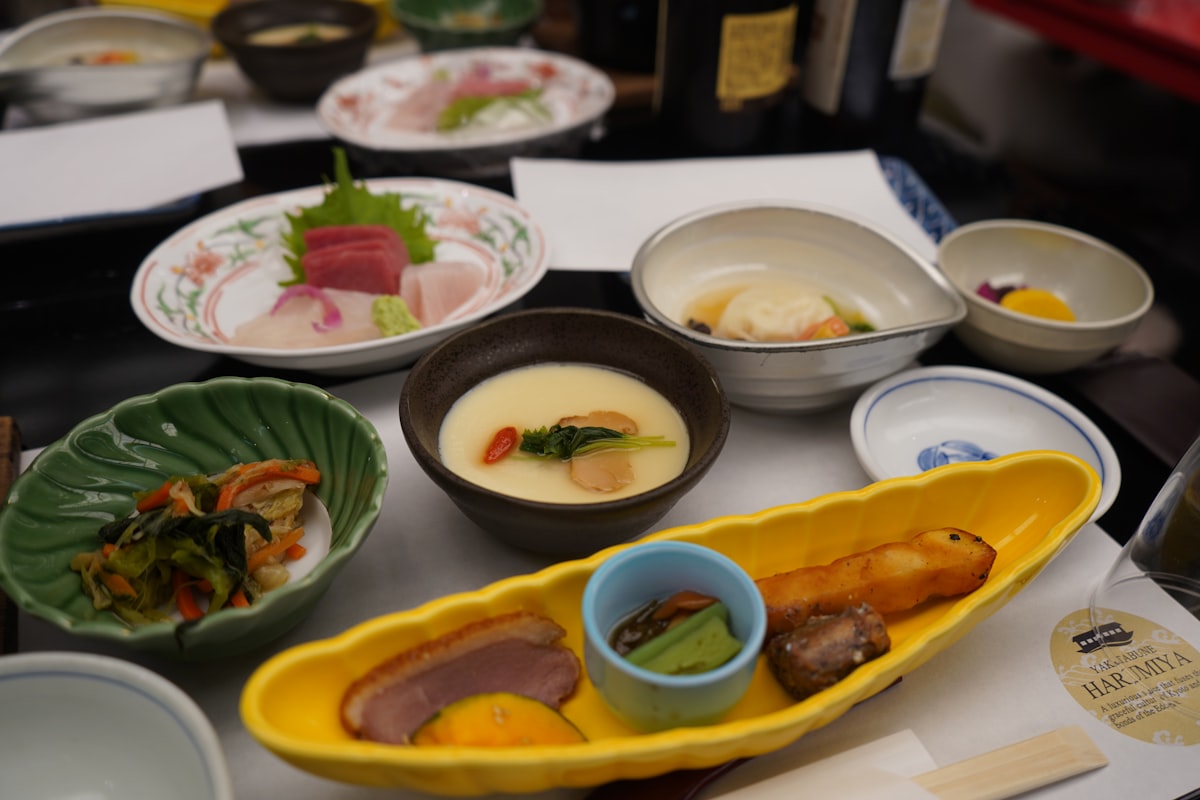
Sanso Murata (山荘 無量塔) is one of Yufuin's leading luxury ryokan. Rates start at ¥46,000 per person, with dinner and breakfast. It suits honeymoons and anniversaries. Kamenoi Besso (亀の井別荘) began in 1921 as a lakeside retreat on Lake Kinrin, built by Kumahachi Aburaya, often called the father of Beppu tourism, to host distinguished guests. It's a place to savor a kaiseki dinner, from ¥36,000 per person with dinner and breakfast. Ryokan dinners are kaiseki meals of 8~12 courses, showcasing the seasons through Japanese ingredients.
Walk through Yufuin
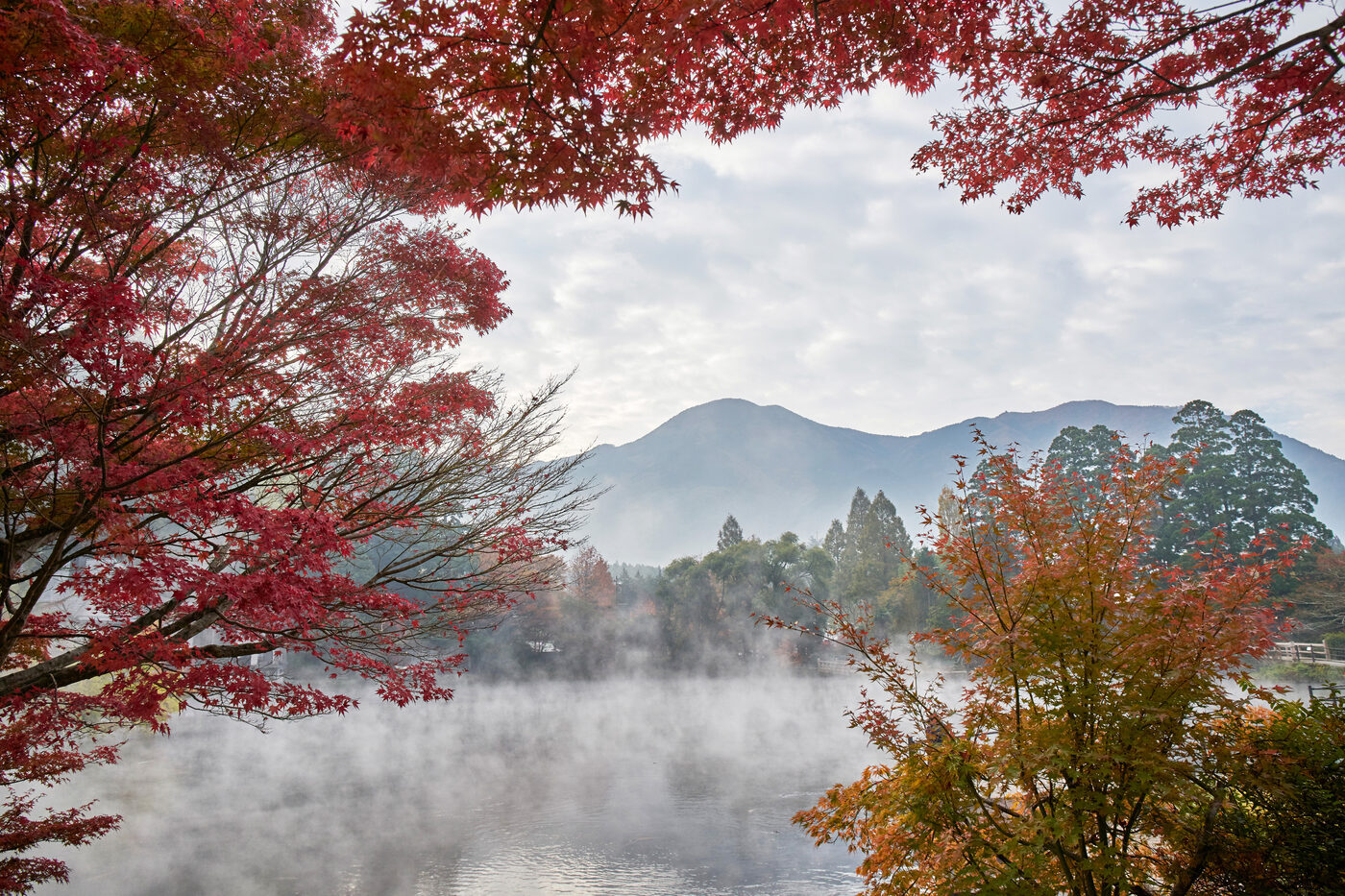
It's a 25-minute walk from JR Yufuin Station to Lake Kinrin. Cafes, lifestyle shops, galleries, and dessert stores line both sides. Our picks: Yufu Mabushi Shin — Its main shop near Lake Kinrin serves mabushi: Yufuin rice topped with Bungo beef or eel. B-Speak — Our first choice for roll cake, a specialty shop opened in 1999 by the ryokan Sanso Murata. Its signature P-Roll is made in limited numbers and can sell out. Lake Kinrin — This small lake, about 400 meters around, has both hot spring water and fresh water rising from its bed, so on autumn and winter mornings mist drifts across the surface. It was once simply the pond below Mount Yufu, until in 1884 the Confucian scholar Mōri Kūsō saw fish scales glinting gold in the evening sun and named it Kinrinko, the lake of golden scales.
Beppu — Seven hot-spring “hells”
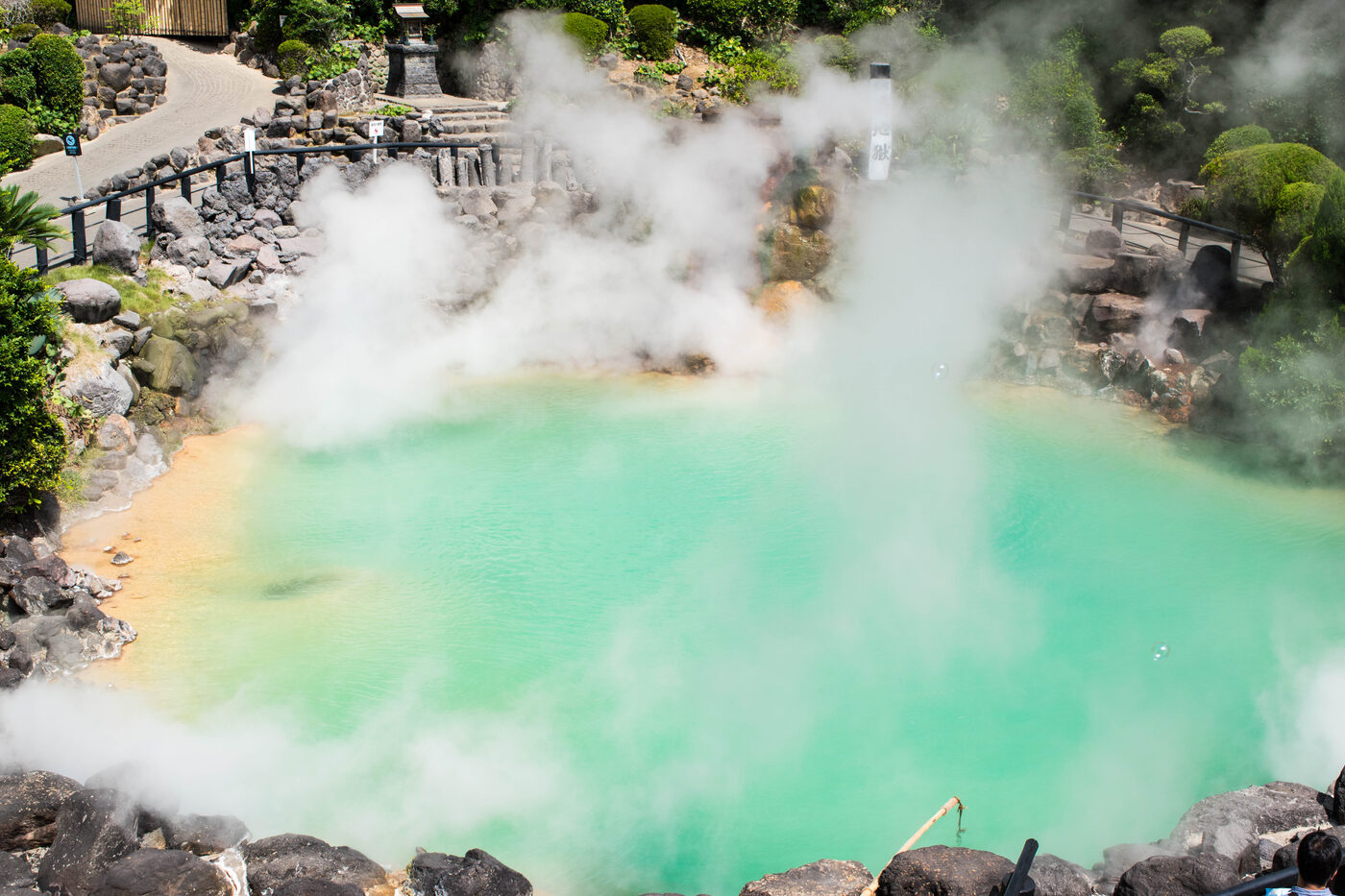
Springs rise throughout Beppu, forming 7 natural hot-spring landscapes known as “hells” (地獄). They're too hot for bathing, but form a sightseeing route. A combined ticket for all 7 costs ¥2,400. Umi Jigoku resembles a turquoise lake. Chinoike Jigoku is a blood-red spring, counted as the oldest natural hell in Japan. Kamado Jigoku has cauldron-shaped steam vents. At 98°C, Umi Jigoku is hot enough to cook onsen eggs; Oniyama Jigoku keeps about 80 crocodiles; and Tatsumaki Jigoku sends up a geyser every 30 to 40 minutes. Seeing all seven takes two to two and a half hours, with Chinoike and Tatsumaki a short ride from the rest. For a soak in Beppu, visit a hotel or Takegawara Onsen, a longstanding bathhouse that opened in 1879. Its name comes from its original bamboo roof, and the present wooden building dates from 1938. You can also try a sand bath here, buried in warm sand.
Book
We are not party to bookings. Provider terms govern bookings/payments/refunds. We earn commission on our link bookings.