Six ways to see Barcelona through Gaudí
Seeing the buildings makes it clear: one person's imagination really can change a city.
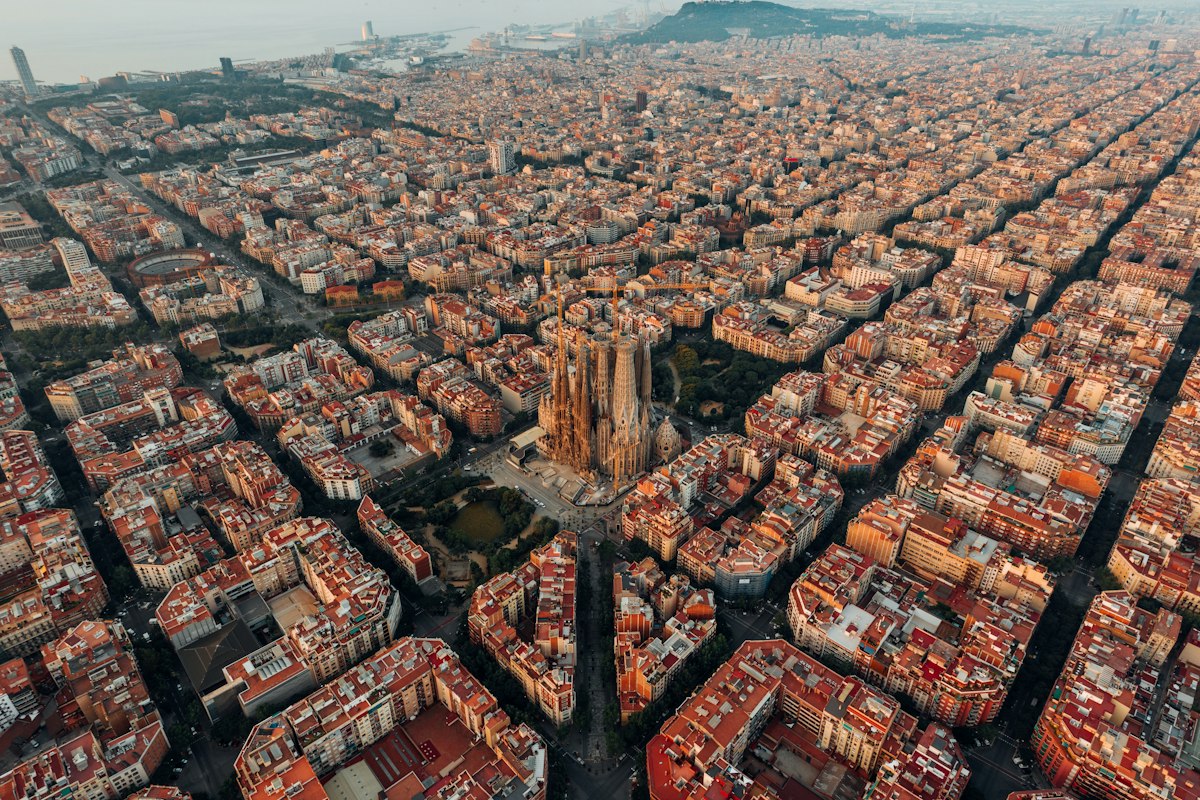
Antoni Gaudí left an unmistakable mark on Barcelona. The buildings he created over 30–40 years from the 1880s shaped the cityscape. You don't need an art degree to be drawn in when you see them.
1. Sagrada Família
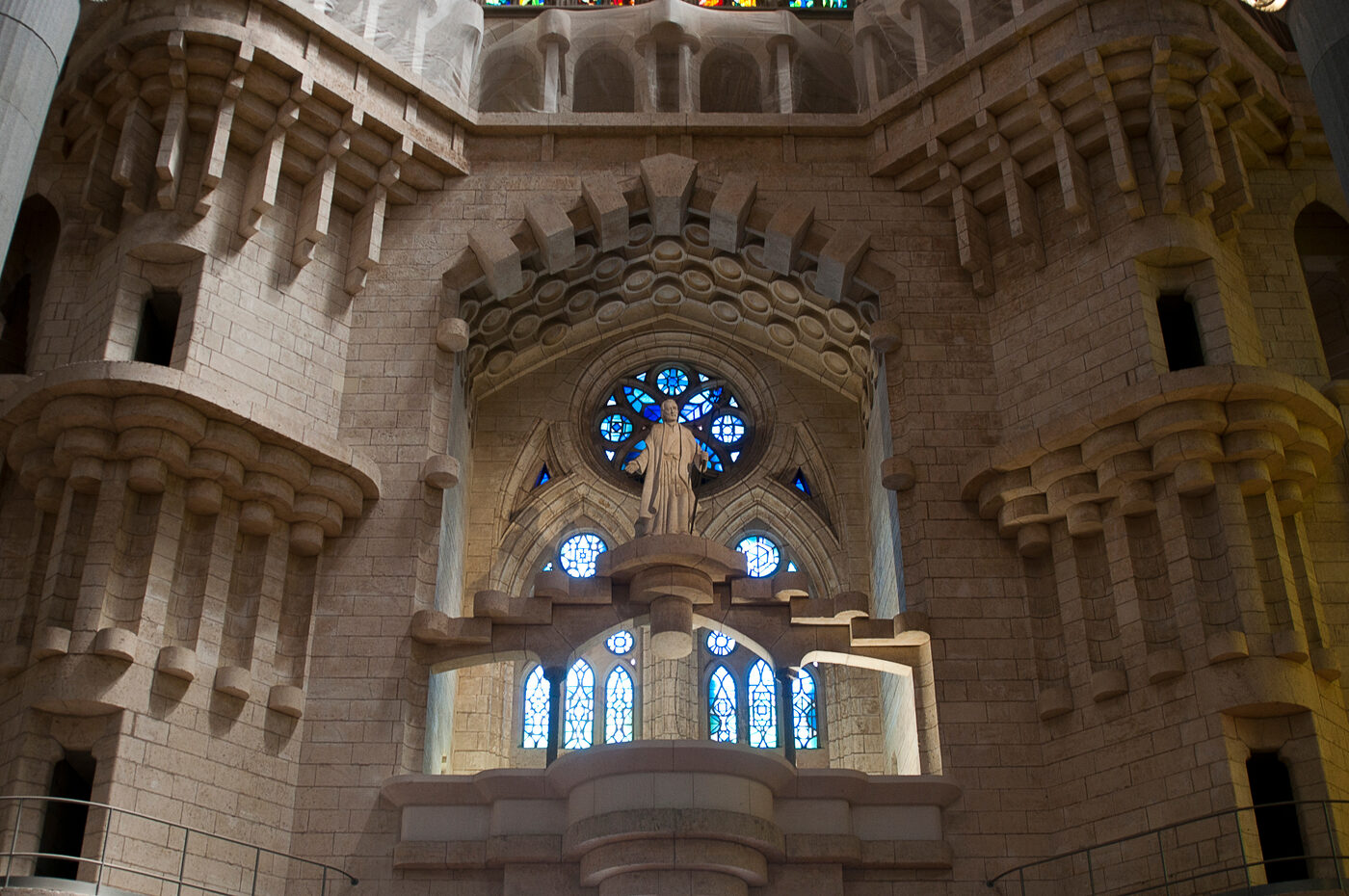
Construction began in 1882, and a century after Gaudí's death, work is still going on. In February 2026 the central Tower of Jesus Christ reached its full 172.5m, making this the world's tallest church; the decorative work is expected to run into the early 2030s. Gaudí gave himself entirely to the basilica from 1914, and after he was struck by a tram in 1926, he was buried in its crypt. Admission is €26, or €36 including the tower ascent. Book online 1–2 months before your trip. Visit the Nativity Façade, then the nave, then the Passion Façade. Inside the nave, try photographing the gradual shifts of color in the light.
2. Park Güell
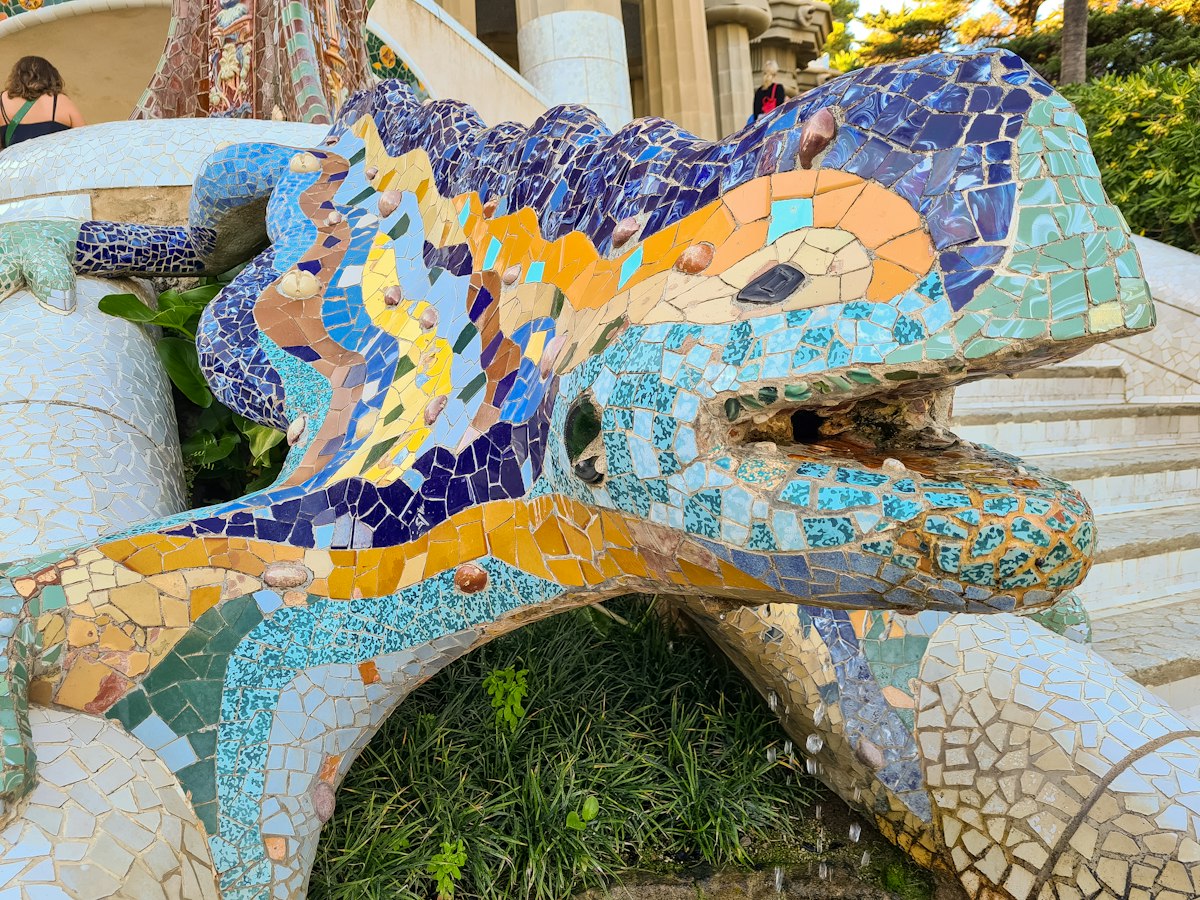
Built in 1900~1914, this began as a plan by Gaudí's patron Eusebi Güell for sixty luxury homes on the southern slope of Carmel Hill. The site proved too remote for buyers and only two houses were built; Gaudí moved into the show home with his father and niece in 1906. The city bought the land in 1922 and opened it as a park in 1926. Admission is €13. Key sights: - The mosaic salamander (El Drac) — a subject to photograph - The curved bench — a design that takes its cue from nature - The Hypostyle Hall (Sala Hipóstila) — 86 Doric columns
3. Casa Batlló
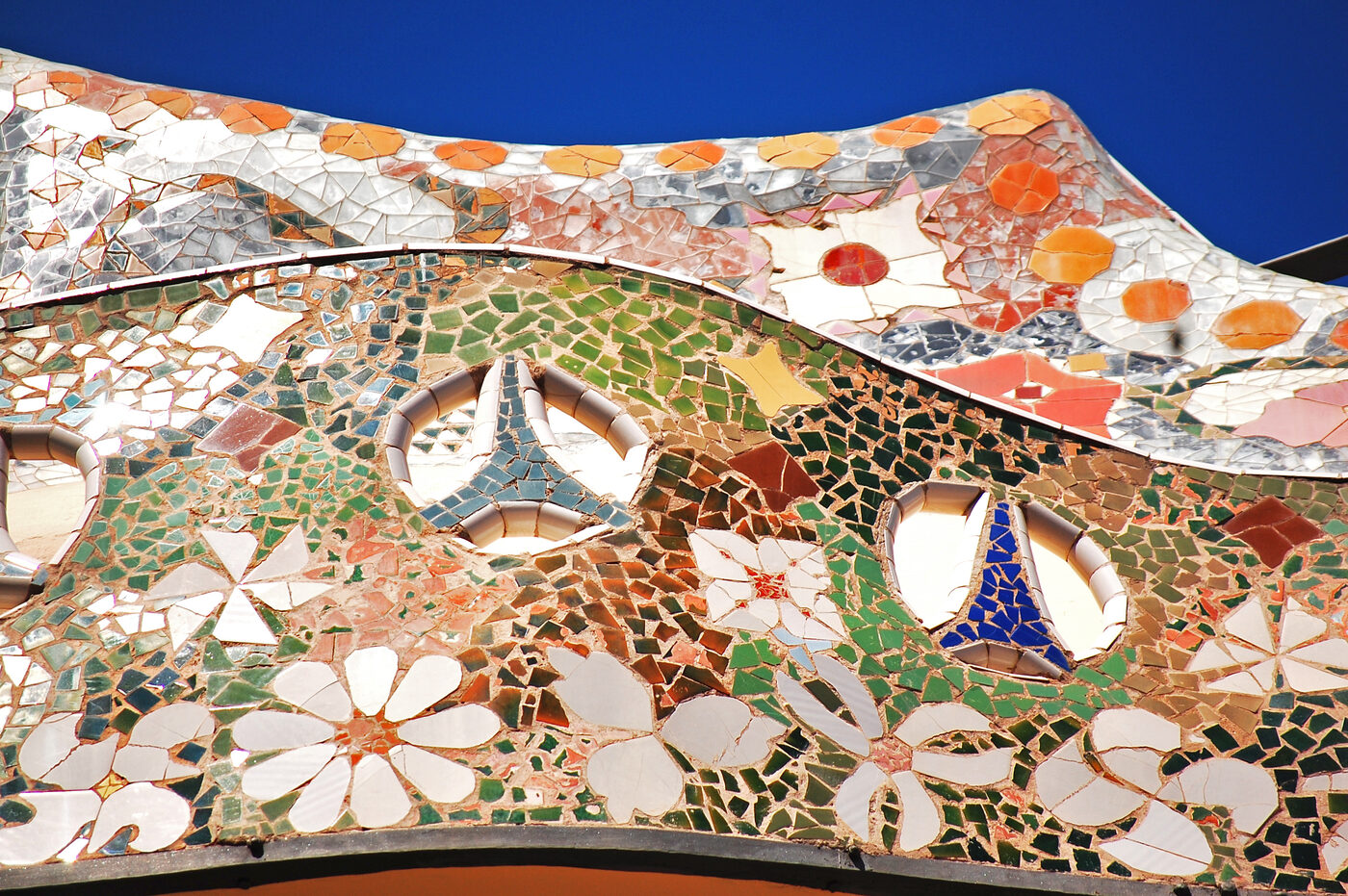
Renovated in 1904~1906, the façade combines underwater blues with scale-shaped tiles. It's one of Gaudí's most ornate works, known locally as the Casa dels ossos, the House of Bones. The arched roof is often read as a dragon's spine, with the four-armed cross on the tower as the hilt of the sword Saint George, Catalonia's patron saint, drove into the dragon.
4. Casa Milà, or La Pedrera
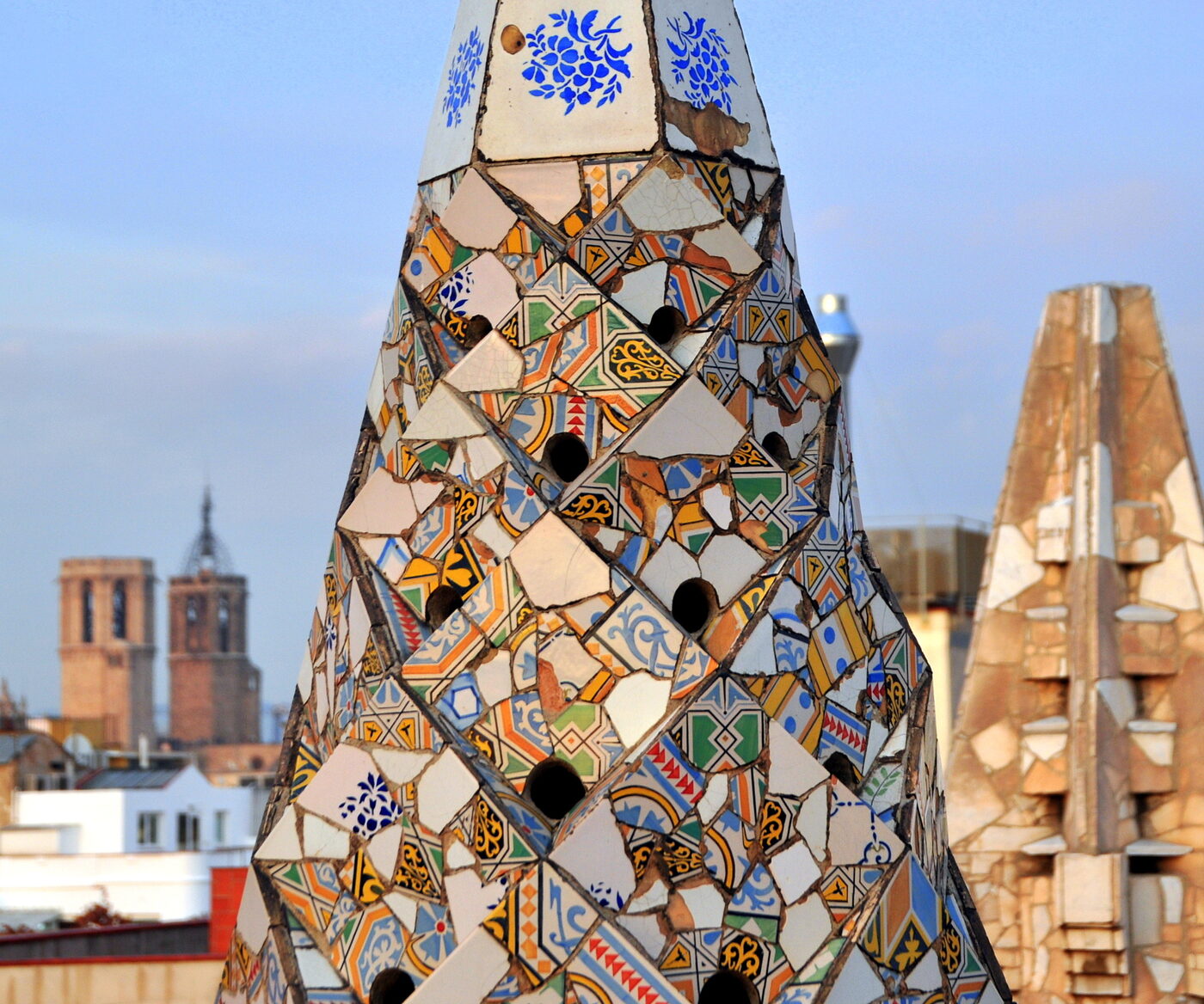
Commissioned in 1906 by Pere Milà and his wife Roser Segimon and finished in 1912, it was the last private residence Gaudí designed. It's nicknamed 'La Pedrera', meaning 'the quarry'. The stone façade seems to ripple. The stone façade is tied to each floor by curved iron beams rather than resting on load-bearing walls, which left the interiors free to be divided at will. The rooftop 'Warriors Chimney' forms are its signature sight. Admission starts from €29. The evening 'La Pedrera Night Experience' costs €39.50.
5. Casa Vicens and 6. Gaudí House Museum
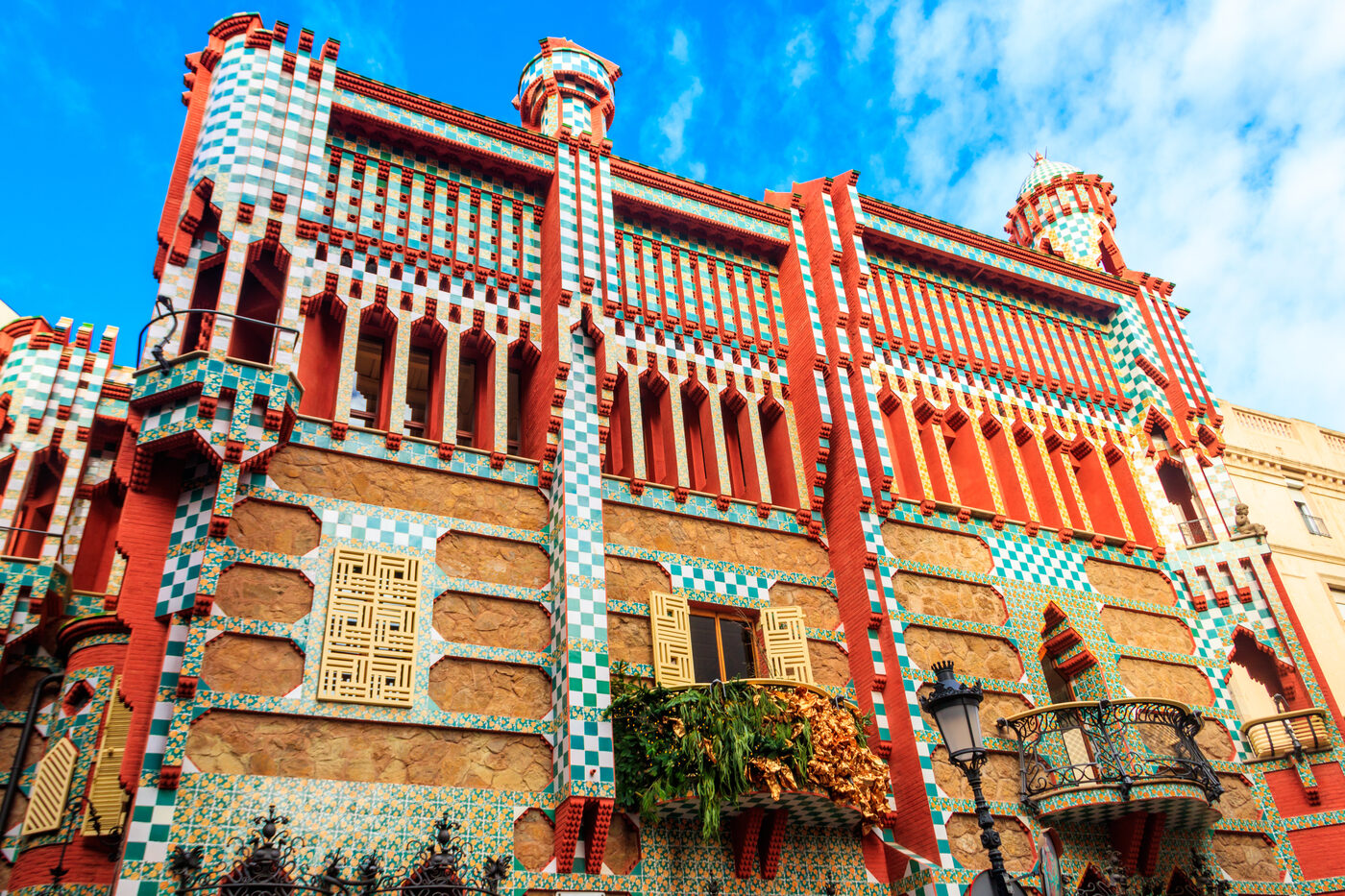
Casa Vicens is Gaudí's first work (1883), a summer house for the stockbroker Manuel Vicens. The yellow carnations Gaudí found growing on the site before building began became the tiles on its walls. It shows Moorish influences and opened as a museum in November 2017. Admission is €18. The Gaudí House Museum, inside Park Güell, was his home. You'll find works, plans, and objects from his collection. Admission is €10.
Book
We are not party to bookings. Provider terms govern bookings/payments/refunds. We earn commission on our link bookings.