Barcelona leaves room for the beach
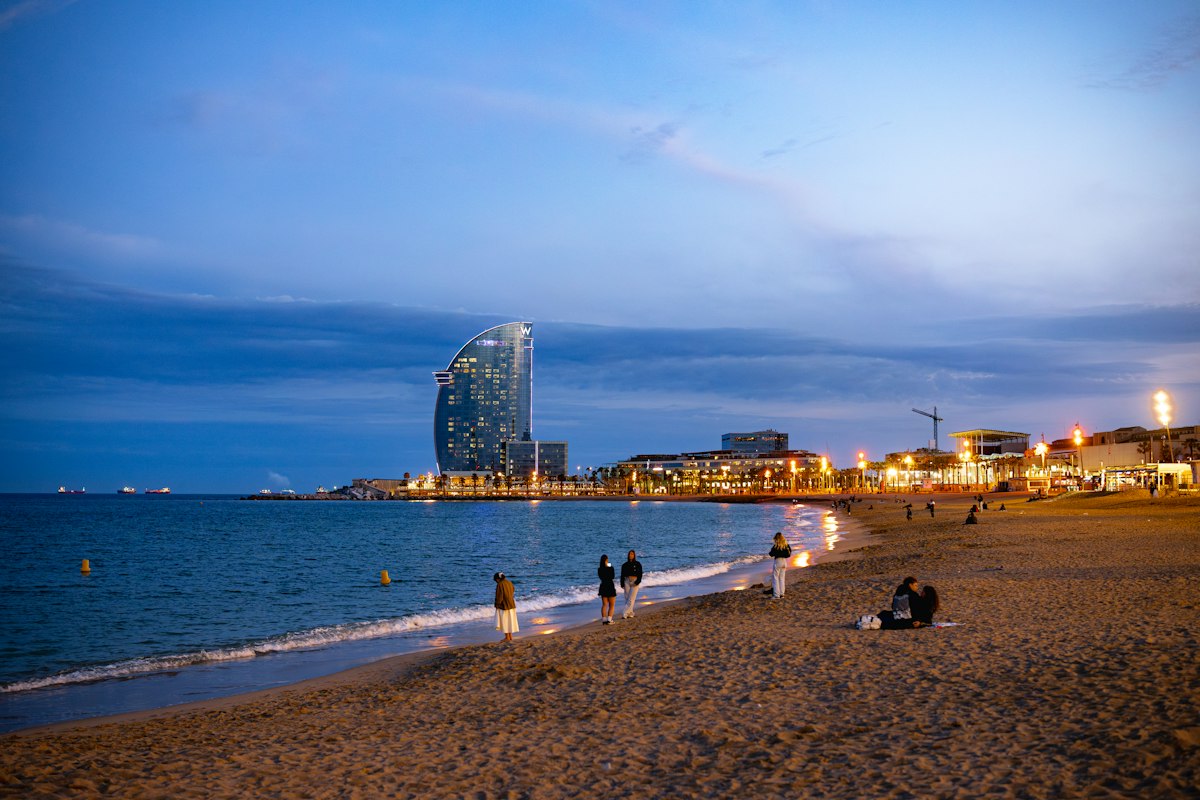
In Barcelona, city life comes with a beach. Walk 20 minutes from the center or take the metro for five, and you're by the sea. Few cities bring together streets to explore, museums, the beach, and seafood quite like this.
Barceloneta Beach
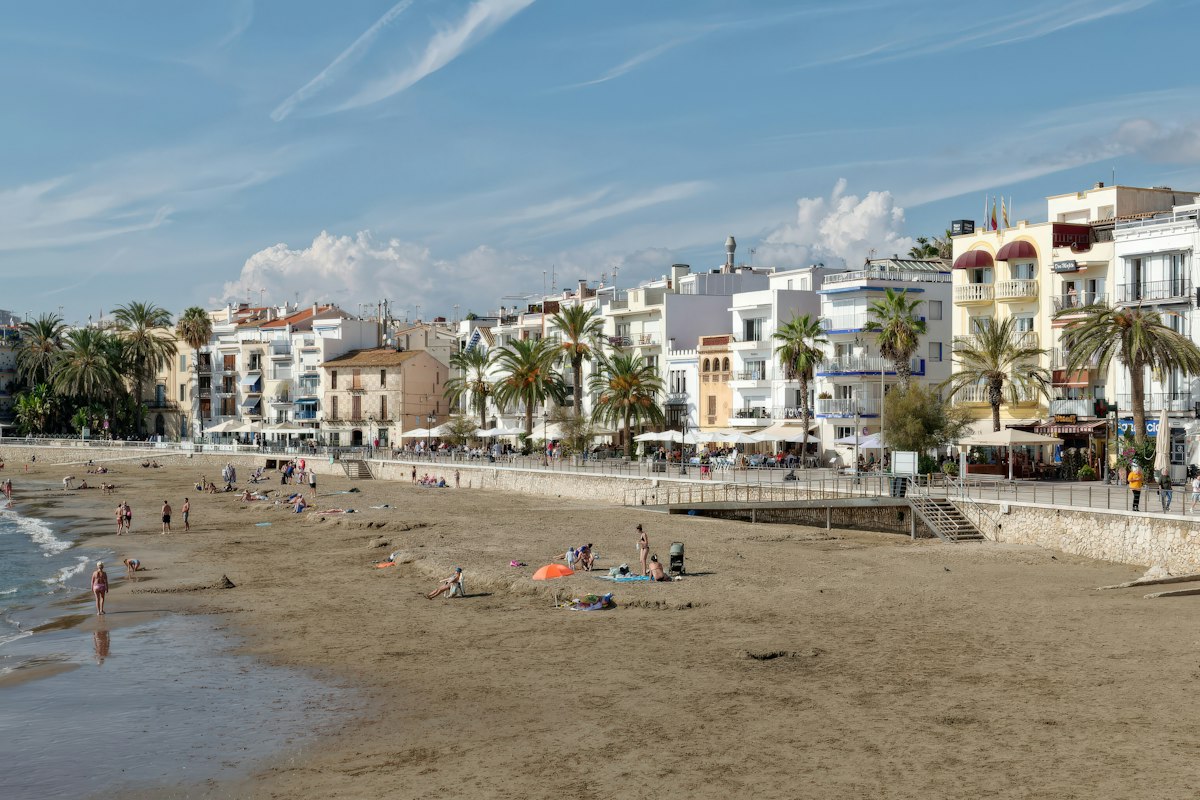
The closest beach to the city center is reached from 'Barceloneta' station on metro line L4. A seafront promenade (Passeig Marítim) runs along the sand, lined with outdoor restaurants facing the water. May through September is the best time to go. June through August gets crowded; May and September are the most comfortable months.
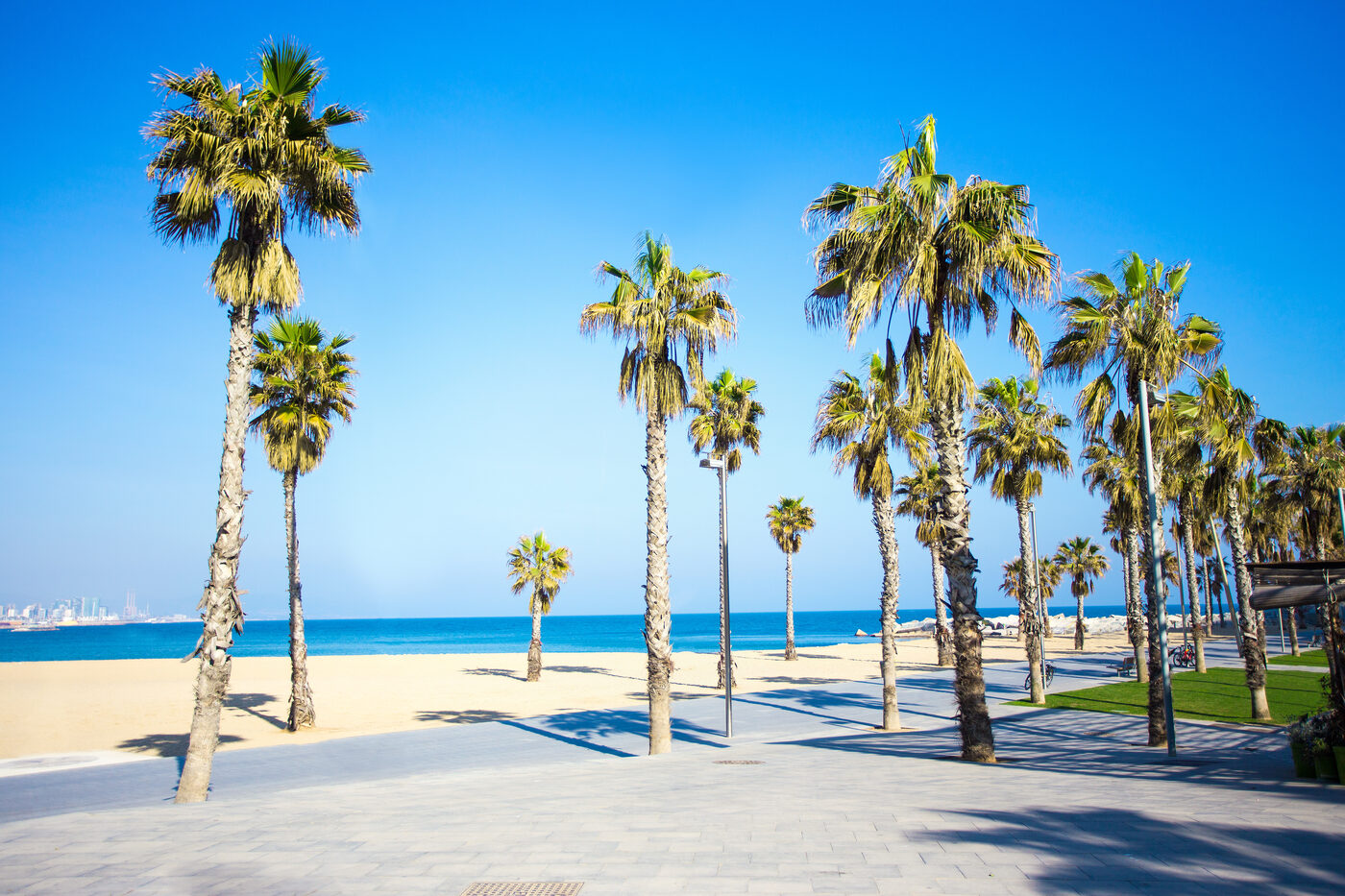
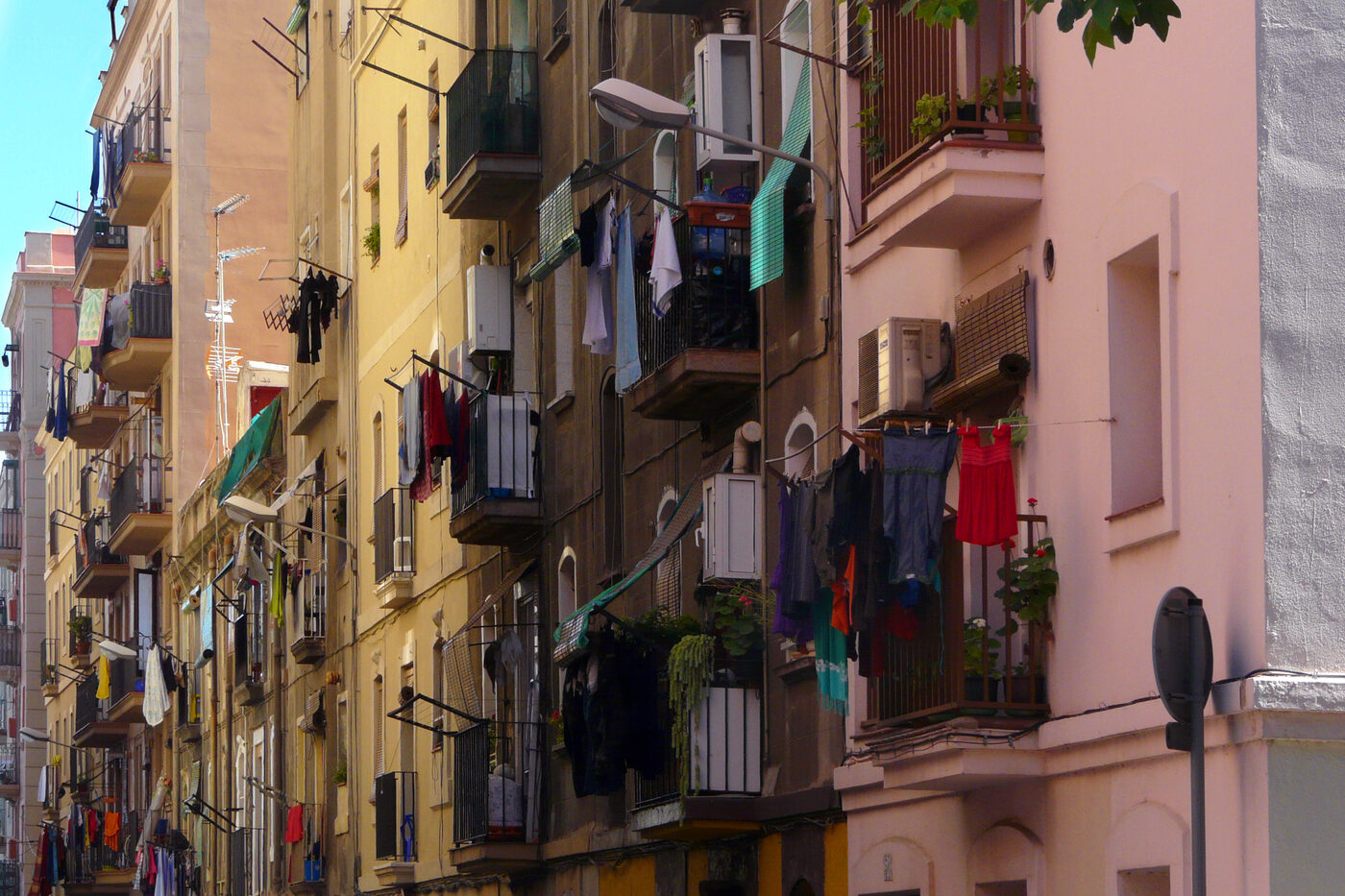
Barceloneta itself dates from the 18th century. It was laid out for residents of La Ribera who lost their homes when the city's Ciutadella fortress went up, and the first houses were built in 1754. The neighborhood fills a triangle of land between the sea and the port, packed with narrow lanes. Its beach even appears in the second part of Don Quixote.
Beach clubs
- Pacha Barcelona — a nighttime club beside the beach
- CDLC (Carpe Diem Lounge Club) — a luxury option for dinner at sunset
- Shoko — Asian fusion food and a sunset lounge
- Opium — a club that runs into the early hours
Sitges: a beach day trip
Sitges is 40 minutes from Barcelona by train, a quieter beach town with an old fishing village of white walls, clean sand, and luxury villas. The train costs €4 round-trip. Leave in the morning, spend time on the beach, have lunch and a walk, then return to the city in the evening.
Seafood in Barceloneta
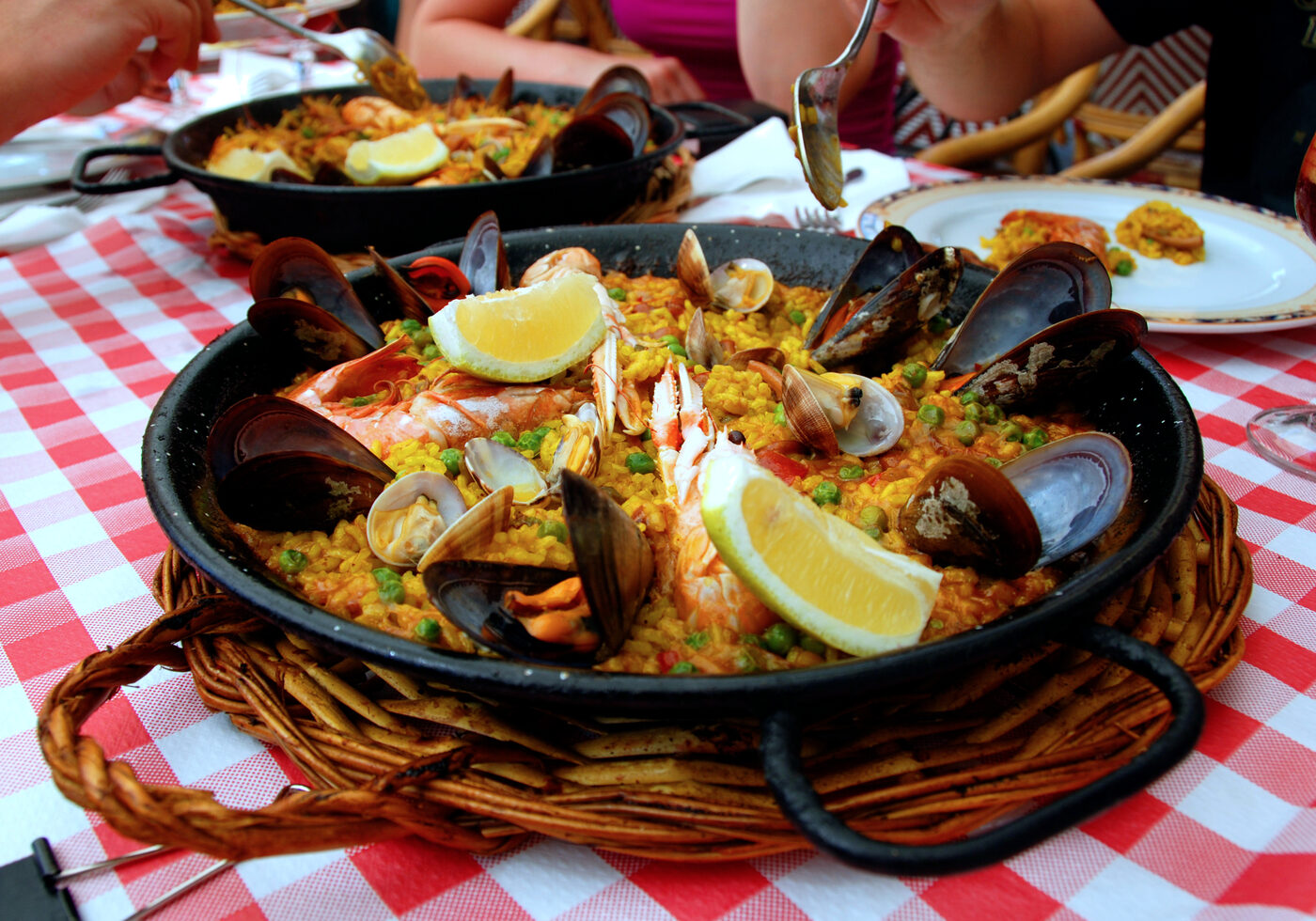
At Can Solé, a long-established restaurant dating to 1903, try paella and the seafood course menu. La Mar Salada holds a Michelin Bib Gourmand and serves seafood paella. Set Portes, dating to 1836, is one of Barcelona's oldest restaurants. Beach bars known as 'chiringuito' offer good value too, at €15~25 a meal.
Things to do by the sea
- Stand-up paddleboarding (SUP) — €20 for one hour
- Kitesurfing — courses at €60~80
- Yacht cruise — two hours at sunset for €50
- Catalan dancing (Sardana) — in the square on Sundays
Costa Brava: a little farther along the coast
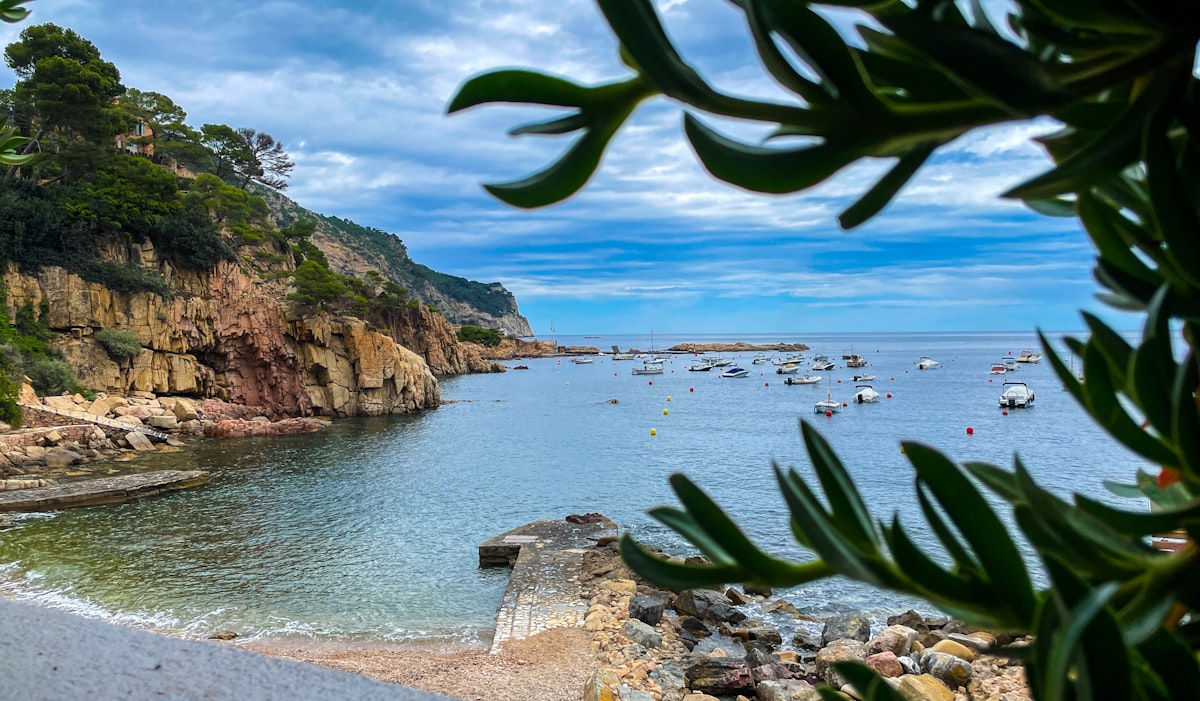
'Costa Brava' means 'rugged coast', a 1–2-hour drive from Barcelona. It's quieter than Sitges and feels closer to nature. Tossa de Mar is a 1-hour-20-minute drive away, with a 12th-century fortress and sandy beach. Lloret de Mar has a more casual feel, with lively clubs and bars. Cadaqués, a two-hour drive away, is the white village where Salvador Dalí lived. Cap de Creus is the easternmost point of mainland Spain, with sea cliffs, a lighthouse, and sunrise views. A day trip works, but staying a night gives you a seaside evening and a slow morning in an old village.
Beyond the beach: Montjuïc and Tibidabo
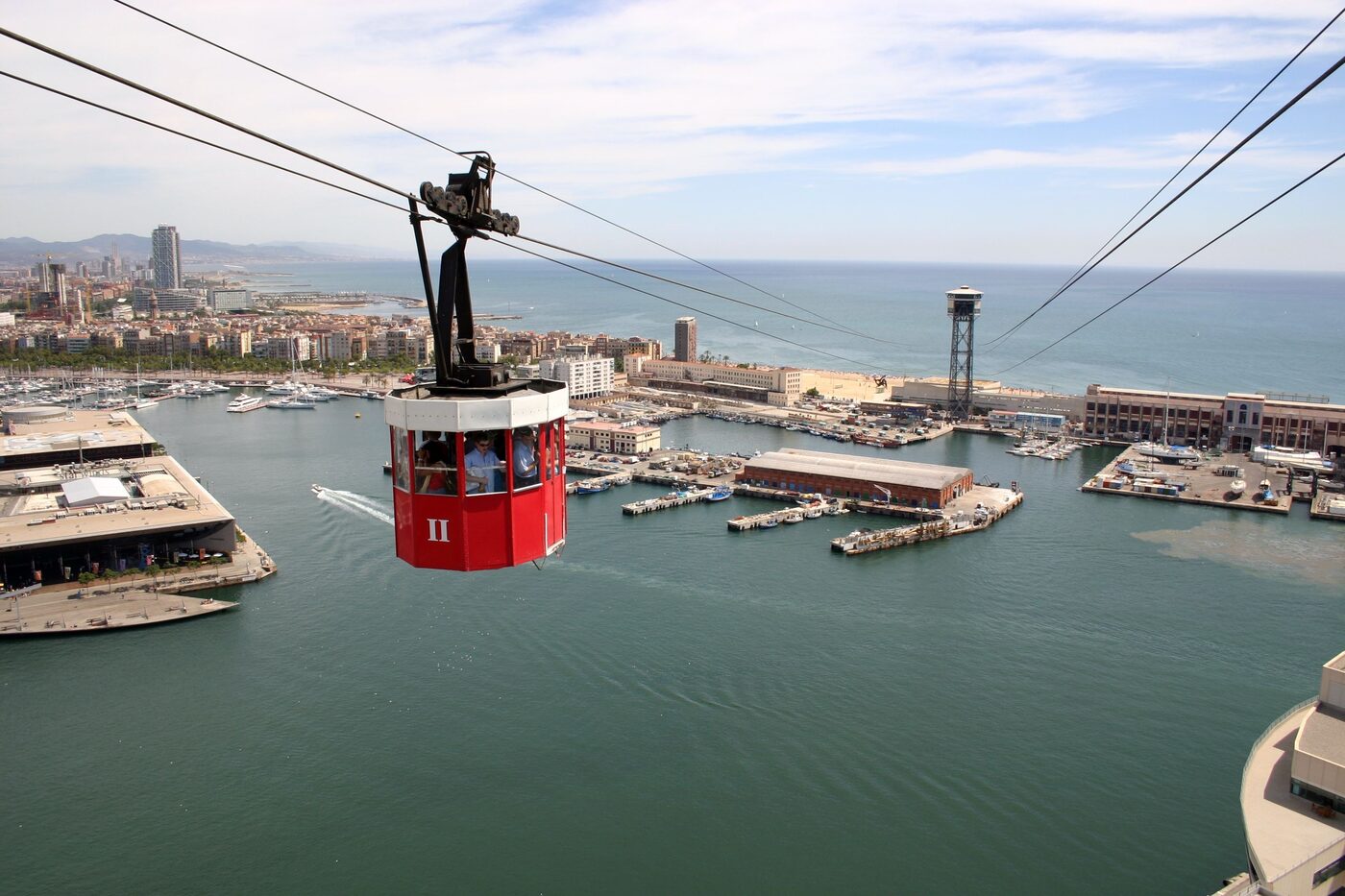
Barcelona's outdoor options don't stop at the beach. Montjuïc is a hill south of the city center. The Montjuïc cable car, which runs up the hill, costs about €17 return. Visit the old 1992 Olympic stadium, the Joan Miró museum, and the free Magic Fountain show, usually held Thursday to Saturday evenings. Tibidabo, north of the center, rises to 512m. It has an old amusement park dating to 1899 and the Sagrat Cor church. It's our first choice for a city view. Coming from the sea, you can ride the Port Cable Car (Transbordador Aeri del Port), opened in 1931, from the Torre Sant Sebastià in Barceloneta across the harbor to Montjuïc. On foot or by bike, you can link streets, hills, and sea in a single day, and that's much of Barcelona's charm.
Book
We are not party to bookings. Provider terms govern bookings/payments/refunds. We earn commission on our link bookings.