An art-history semester, Paris edition
An unhurried route centered on the Louvre, Orsay, and Orangerie.
Paris is a city of museums. From ancient sculpture to the Impressionists and Monet's Water Lilies, the Louvre, Orsay, and Orangerie alone trace the main arc of Western art.
1. The Louvre — the world's largest art museum
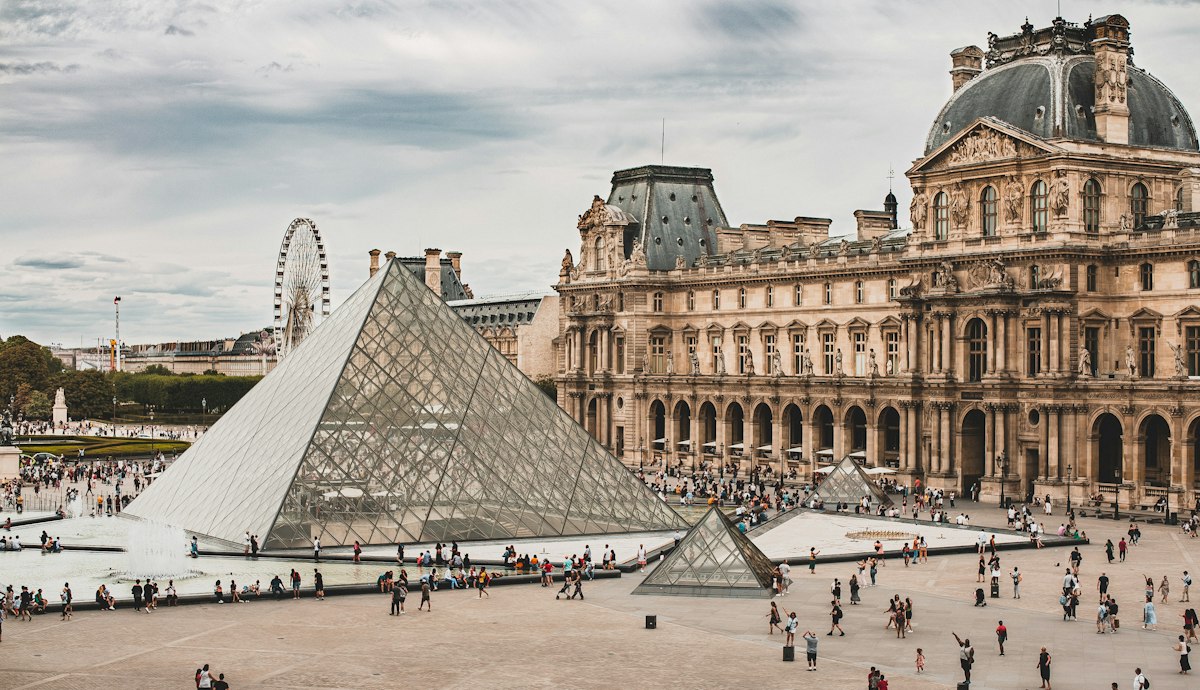
The Louvre's collection runs to more than 600,000 objects, about 35,000 of them on display. Even 4 hours won't cover it all. On a first visit, follow a route through the major works: Enter through the pyramid and head to the Denon Wing's first floor for the Mona Lisa (Salle 711), Venus de Milo, and Winged Victory. Continue to the Sully Wing for the Code of Hammurabi and the Egyptian collection, then the Richelieu Wing for Napoleon III's apartments. Admission for visitors from outside the European Economic Area is €32; book a time slot while you're still in Korea. The museum is closed on Tuesdays and stays open until 9 p.m. on Wednesdays and Fridays.
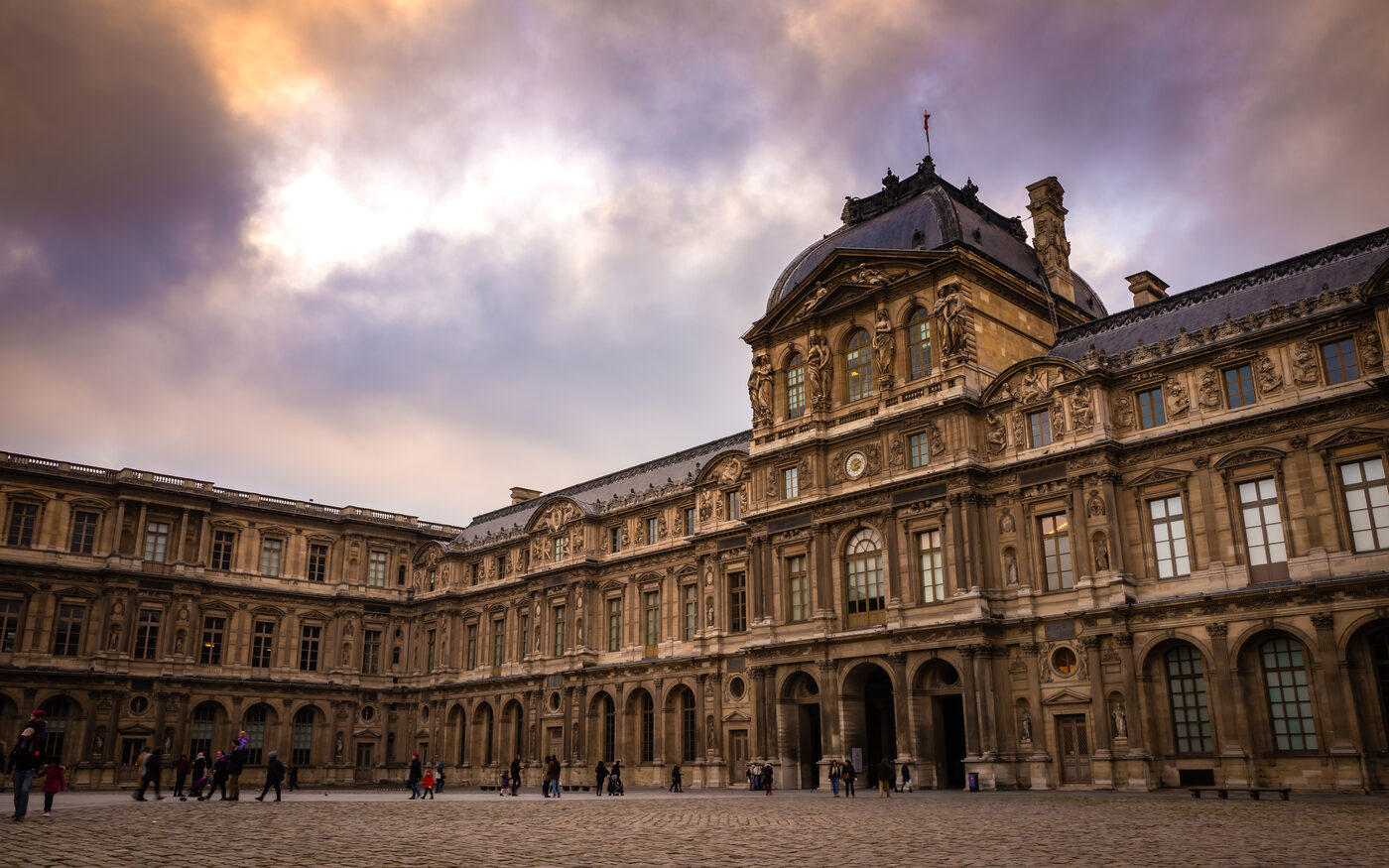
The Louvre began as a fortress, not a museum. Philip II built it in the late 12th century to guard the city against attack from the west, and remnants of the medieval walls are still visible below ground. Francis I turned it into a palace in 1546, and on 10 August 1793, in the midst of the Revolution, it opened as a museum with 537 paintings on the walls. The glass pyramid is the work of I. M. Pei, the architect President Mitterrand chose himself; the underground lobby beneath it opened on 30 March 1989.
2. Orsay — time with the Impressionists
A former railway station from 1900 became a museum in 1986. The focus is work from 1848–1914. Head for the fifth-floor Impressionist galleries, where Monet, Renoir, Degas, Van Gogh, and Cézanne share the same floor. The view of Paris through the fifth-floor clock window is one to photograph.
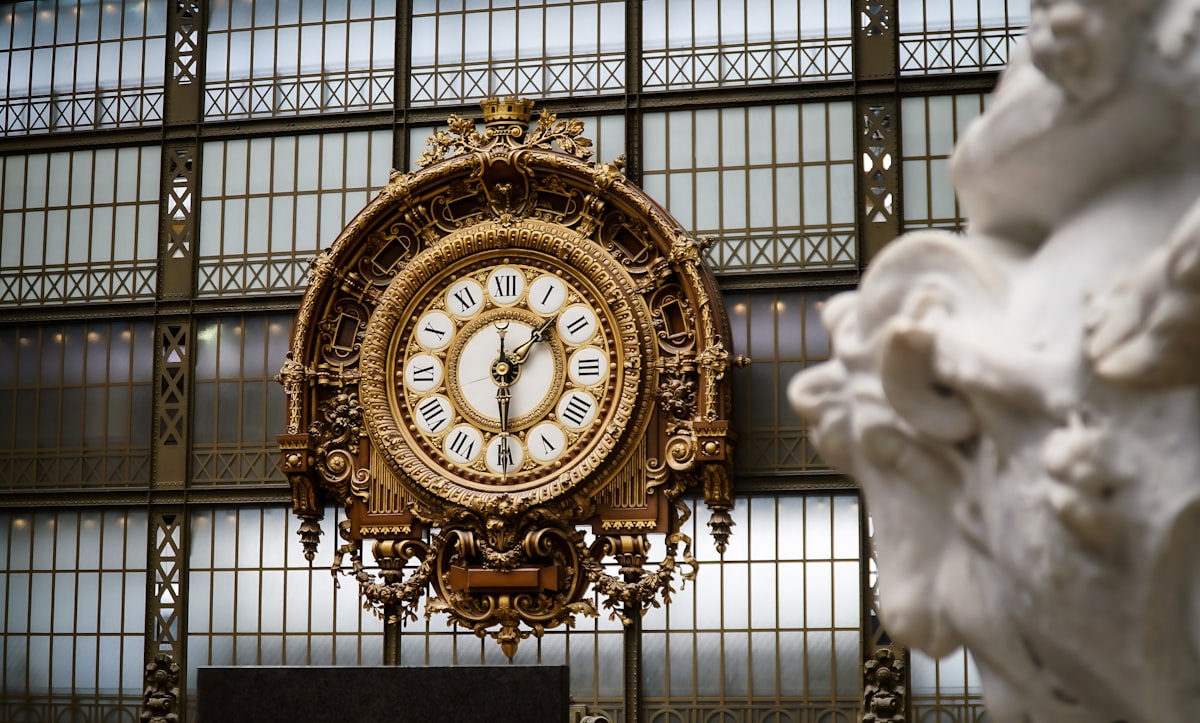
The Gare d'Orsay was finished in time for the 1900 Exposition Universelle. By 1970 it had permission to be demolished, but the culture minister blocked plans for a hotel on the site, and the building was listed as a historic monument in 1978. Where trains once pulled in, the old platforms now form the central hall lined with sculpture.
3. Orangerie — Monet's Water Lilies
This small museum sits beside the Tuileries Garden. Eight panels of Monet's Water Lilies (Nymphéas), painted after World War I as a symbol of peace, wrap around two oval rooms in a 360-degree display. The museum is small, but sit with the paintings for an hour and you'll be drawn in. Admission is about €13.
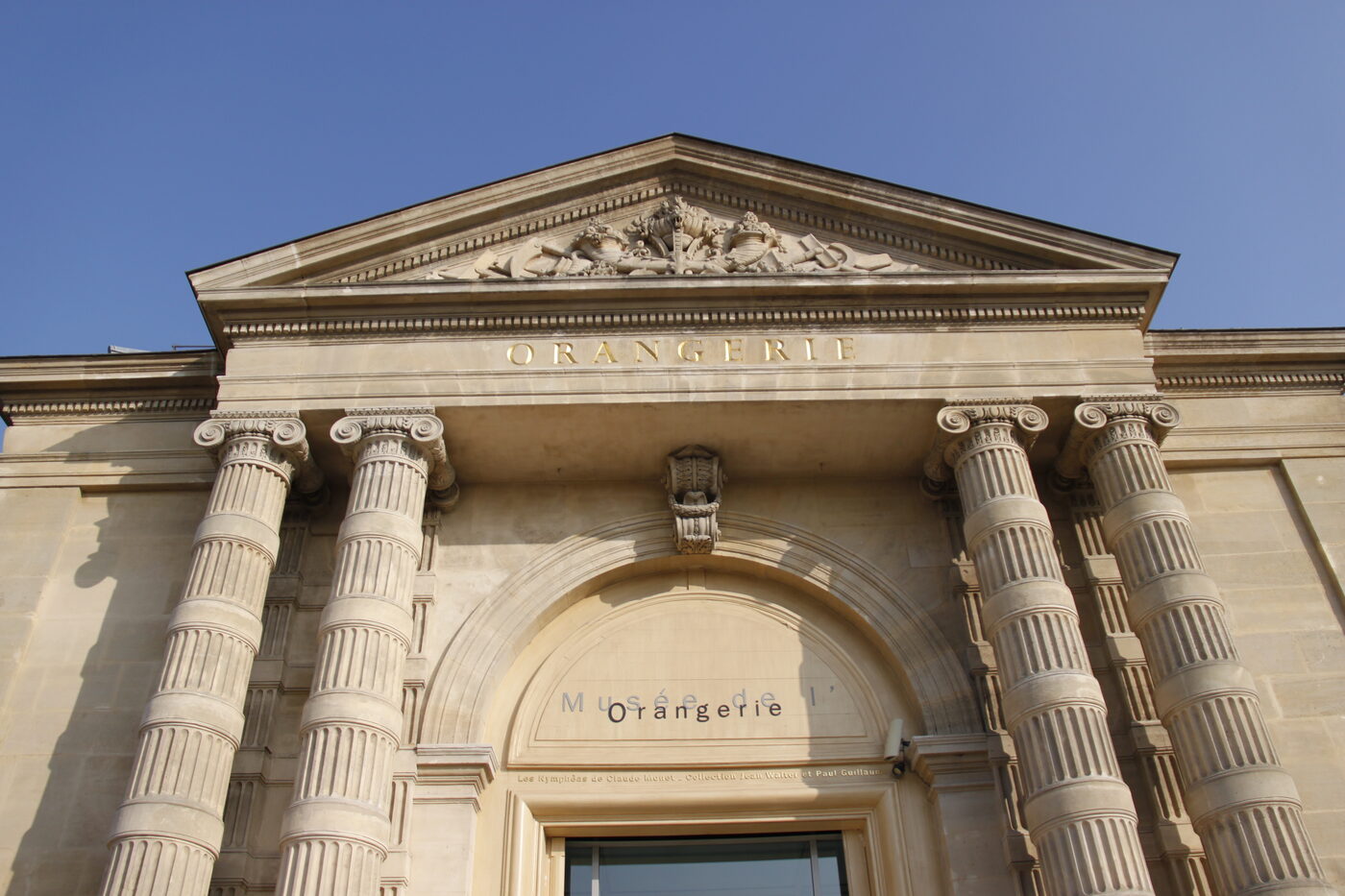
Monet helped shape these rooms himself. The eight panels, each about 1.97 metres high and close to 100 metres long in total, hang in two oval rooms that together trace the infinity symbol. He insisted on skylights so the paintings would be seen in natural light. The museum opened on 17 May 1927, a few months after his death.
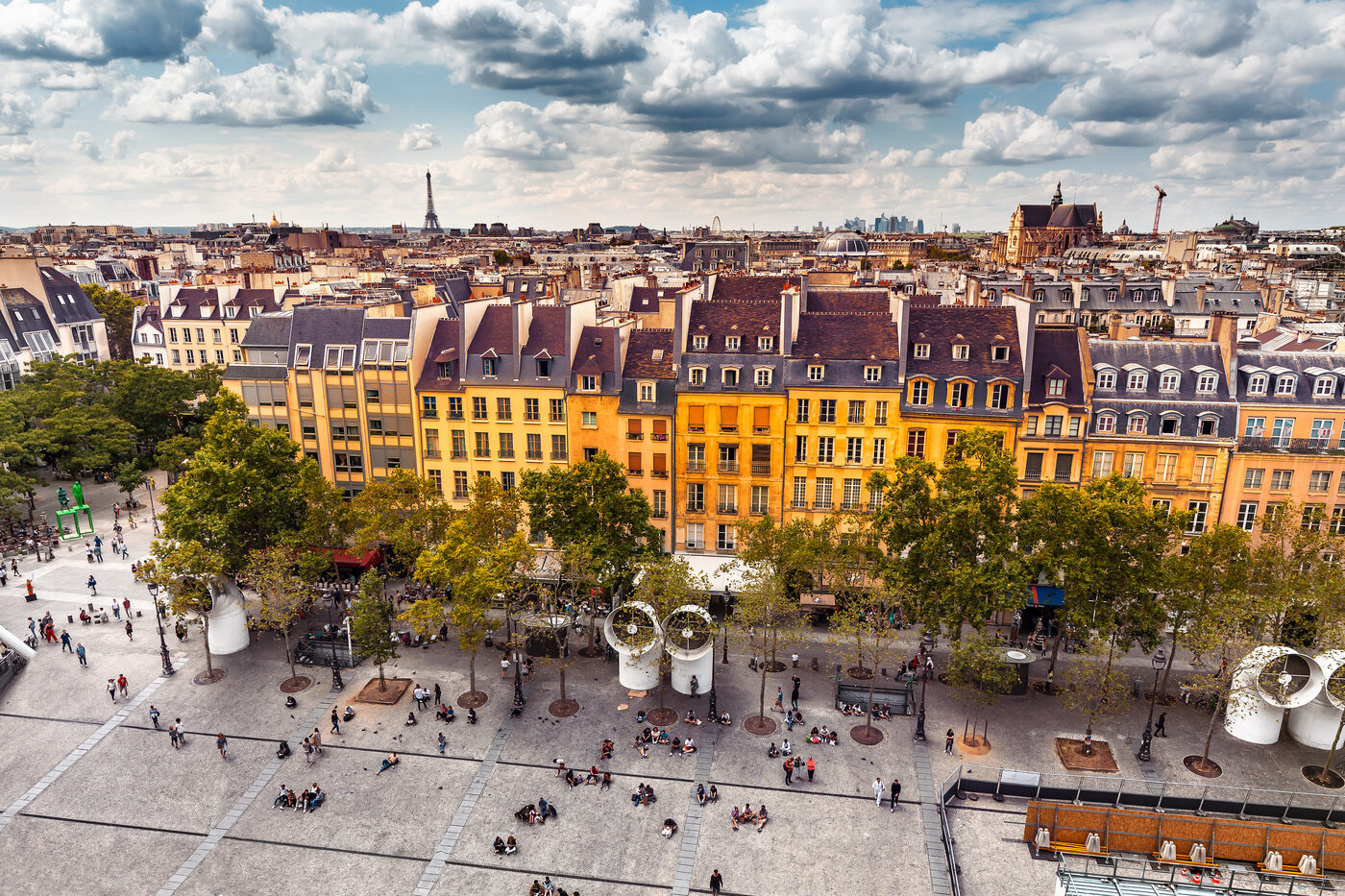
The Pompidou collection — check the official program
The main Pompidou building is closed for renovation until 2030. Its collection and exhibitions continue at other venues, so check the official Constellation program for current locations and dates before visiting.
Know your Paris Museum Pass
Passes come in 2-, 4-, and 6-day versions and cover some 50 museums and monuments at no extra charge. With Versailles, Sainte-Chapelle, and the Arc de Triomphe rooftop included, the pass quickly pays off if you see two or three sights a day.
- Buy it — On the official site or through a Korean travel agency; Korean prices are sometimes lower.
- Use it — The clock starts when you enter your first museum.
- Keep in mind — Temporary exhibitions may require a separate ticket.
Book
We are not party to bookings. Provider terms govern bookings/payments/refunds. We earn commission on our link bookings.