Van Gogh, a life in brushstrokes
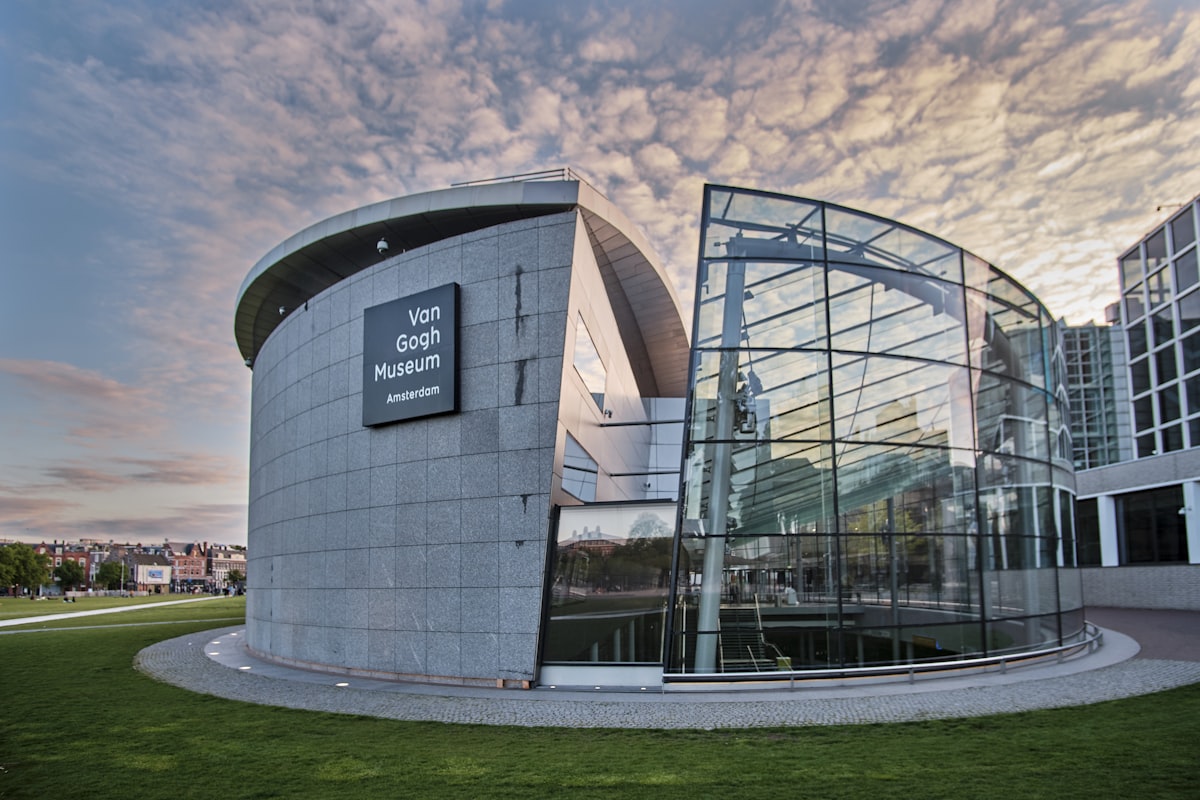
The Van Gogh Museum holds the world's largest collection of Van Gogh's work—more than 200 pieces—to view in chronological order in one place. Following a painter's life through a single museum building is an experience few places offer.
Booking: one to two months ahead
Tickets are sold online only. Book a timed-entry ticket on the official site (vangoghmuseum.nl): admission is €25, and free for visitors under 18. Weekend tickets can sell out about a month ahead. A guided tour brings you the story behind each painting as you go. The audio guide costs €3.75, comes in more than a dozen languages, and includes explanations of the works and excerpts from the artist's letters.
The route: follow the years
The route follows Van Gogh's short life of 37 years in chronological order: Floor 1 — the early years - The Netherlands (1880~1885): 'The Potato Eaters', and a dark palette - Paris (1886~1888): Impressionist influences and a gradual lightening of color Floor 2 — at his height - Arles (1888~1889): 'Sunflowers' and 'The Bedroom', in vivid yellows and blues - Saint-Rémy (1889~1890): admission to a psychiatric hospital, and 'The Starry Night' (in MoMA's collection) Floor 3 — the final period - Auvers-sur-Oise (1890): around 70 paintings in his final 70 days. 'Wheatfield with Crows'
Five works to spend time with
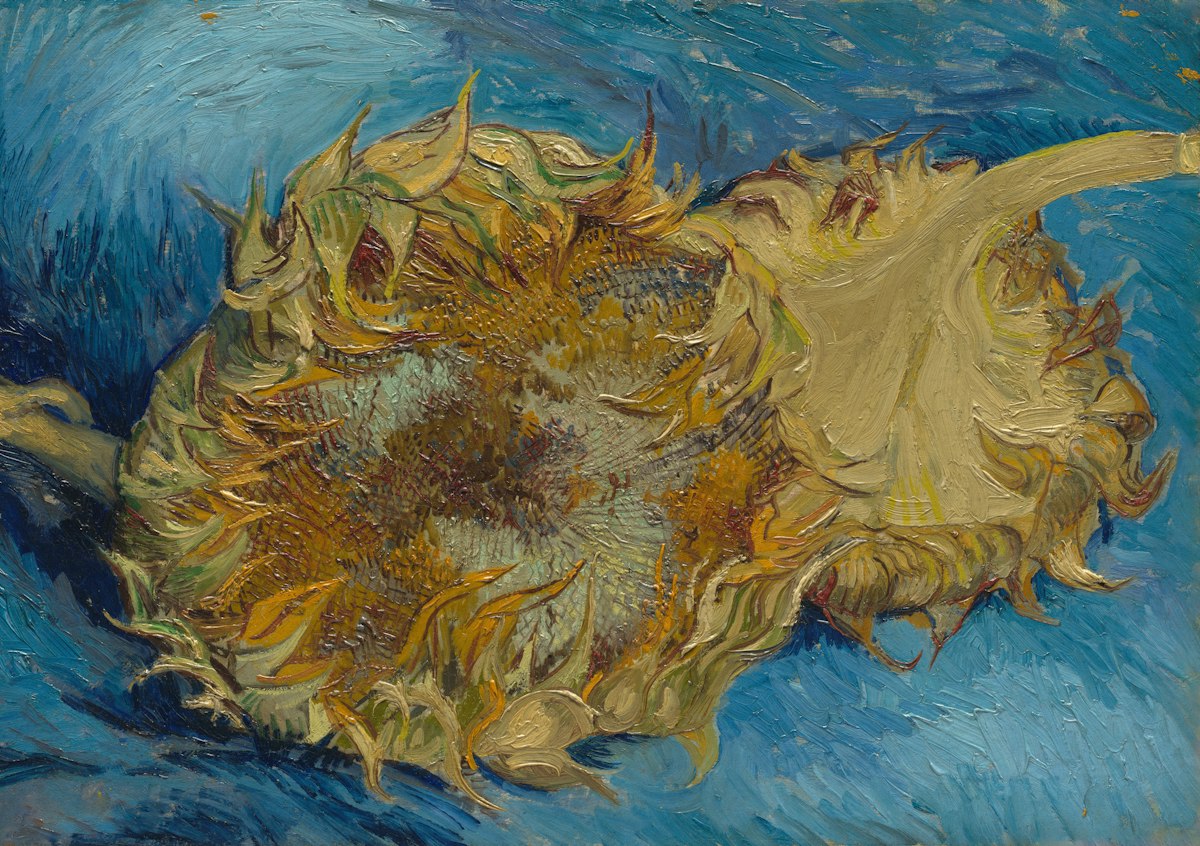
- Sunflowers — 1889, from the best-known yellow series he painted in Arles
- The Bedroom — 1888, the Yellow House in Arles
- The Potato Eaters — 1885, an early masterpiece
- Almond Blossom — 1890, a gift to his brother and sister-in-law on the birth of their son
- Wheatfield with Crows — 1890, often called his last painting, though he made several more after it
Van Gogh in his letters
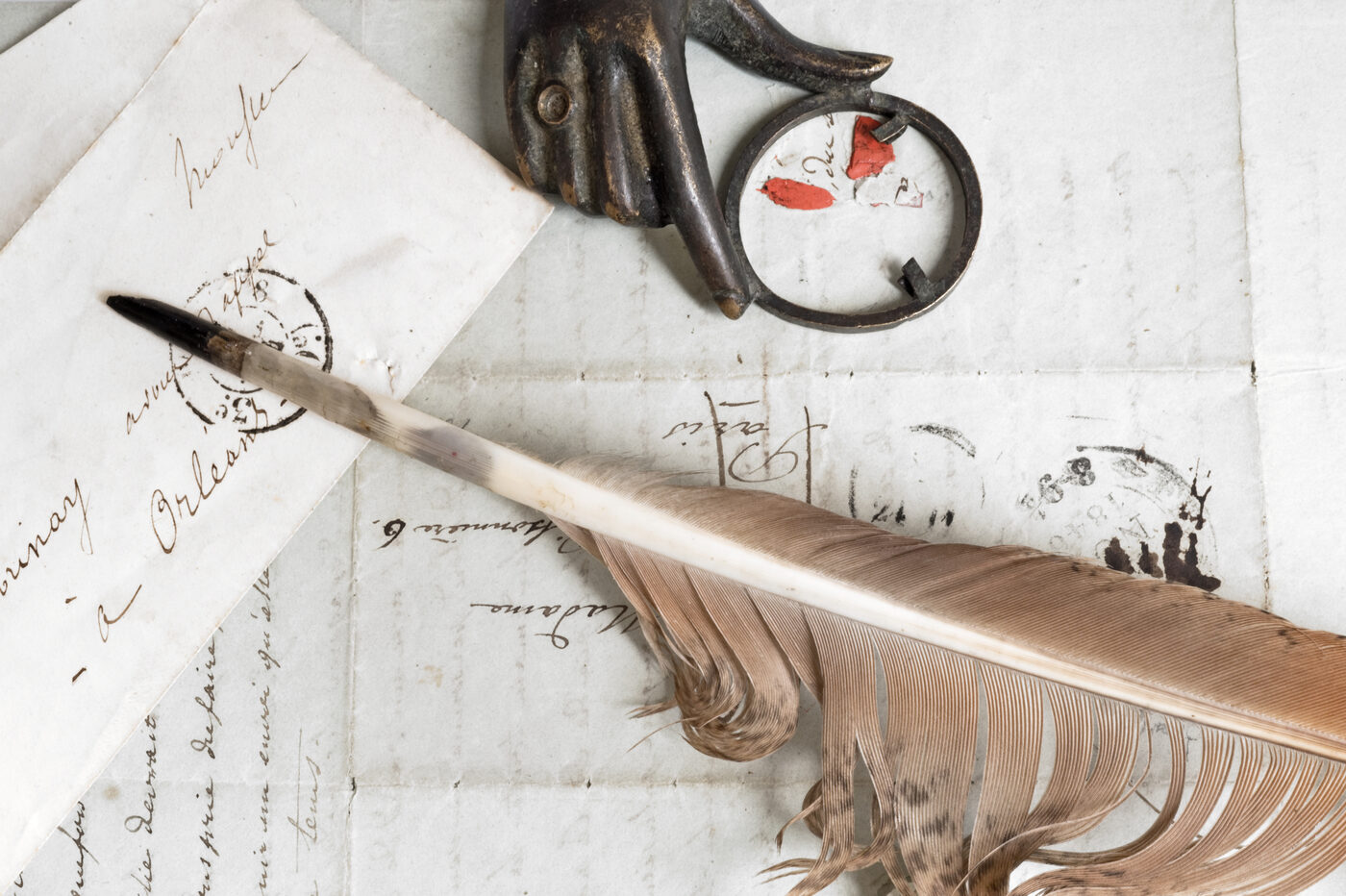
Excerpts from around 700 letters Van Gogh sent to his younger brother Theo appear throughout the museum. They include the candid admission, 'I'm so sorry my paintings aren't selling.' He sold very little in his lifetime; in 2022, his 'Orchard with Cypresses' fetched $117.18 million at auction.
The family that kept the paintings
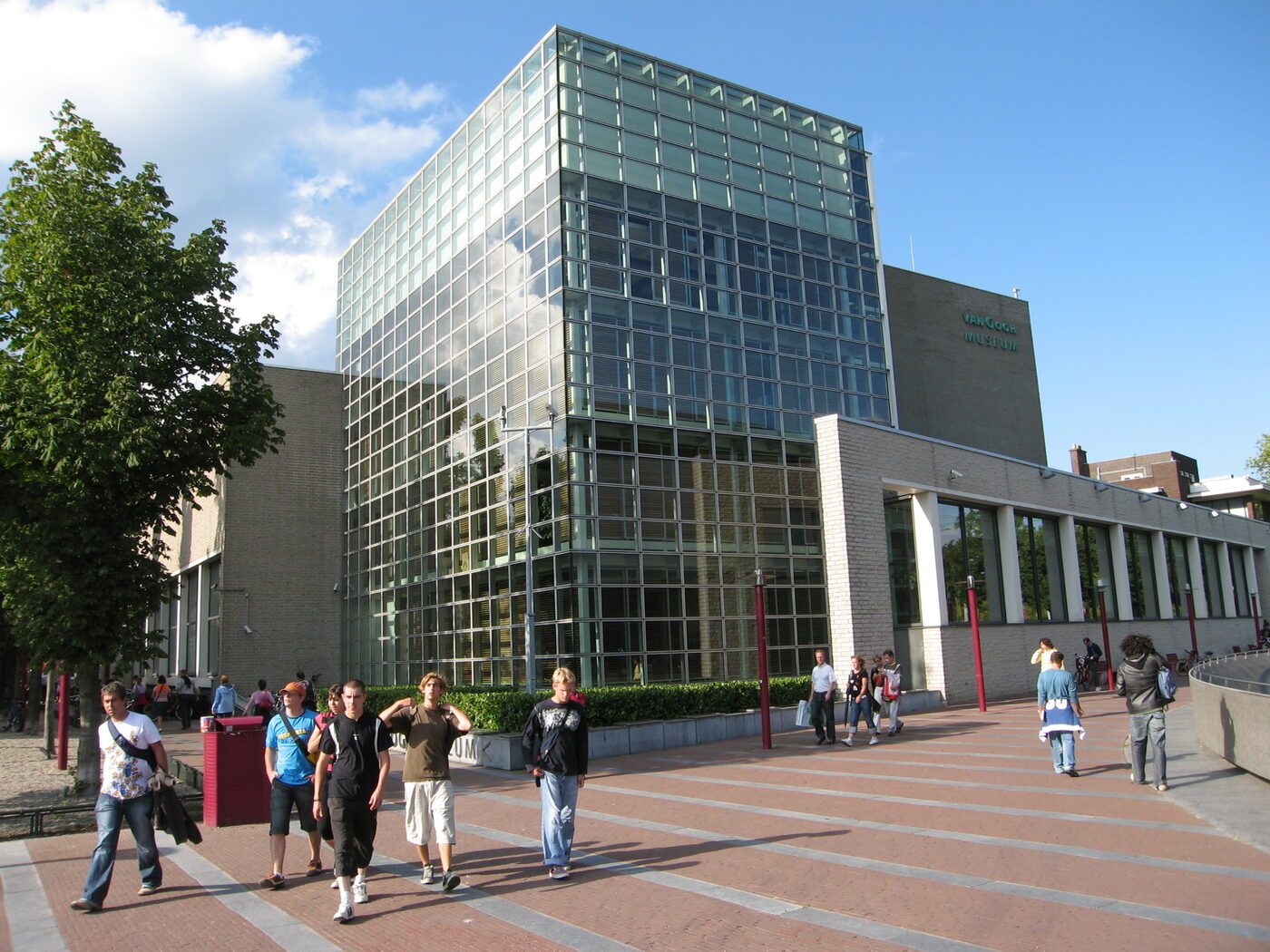
Most of the paintings here were kept together by one family. When Vincent died in 1890, his unsold work passed to his brother Theo. Theo died six months later, and the collection went to his widow, Jo van Gogh-Bonger, who sold and exhibited the paintings to spread Vincent's name. In 1925 it passed to their son, Vincent Willem, the baby for whom 'Almond Blossom' was painted. The collection went to the Vincent van Gogh Foundation in 1962, and the museum designed by Gerrit Rietveld opened in 1973. An exhibition wing by the Japanese architect Kisho Kurokawa followed in 1999.
Add the Stedelijk and Rijksmuseum
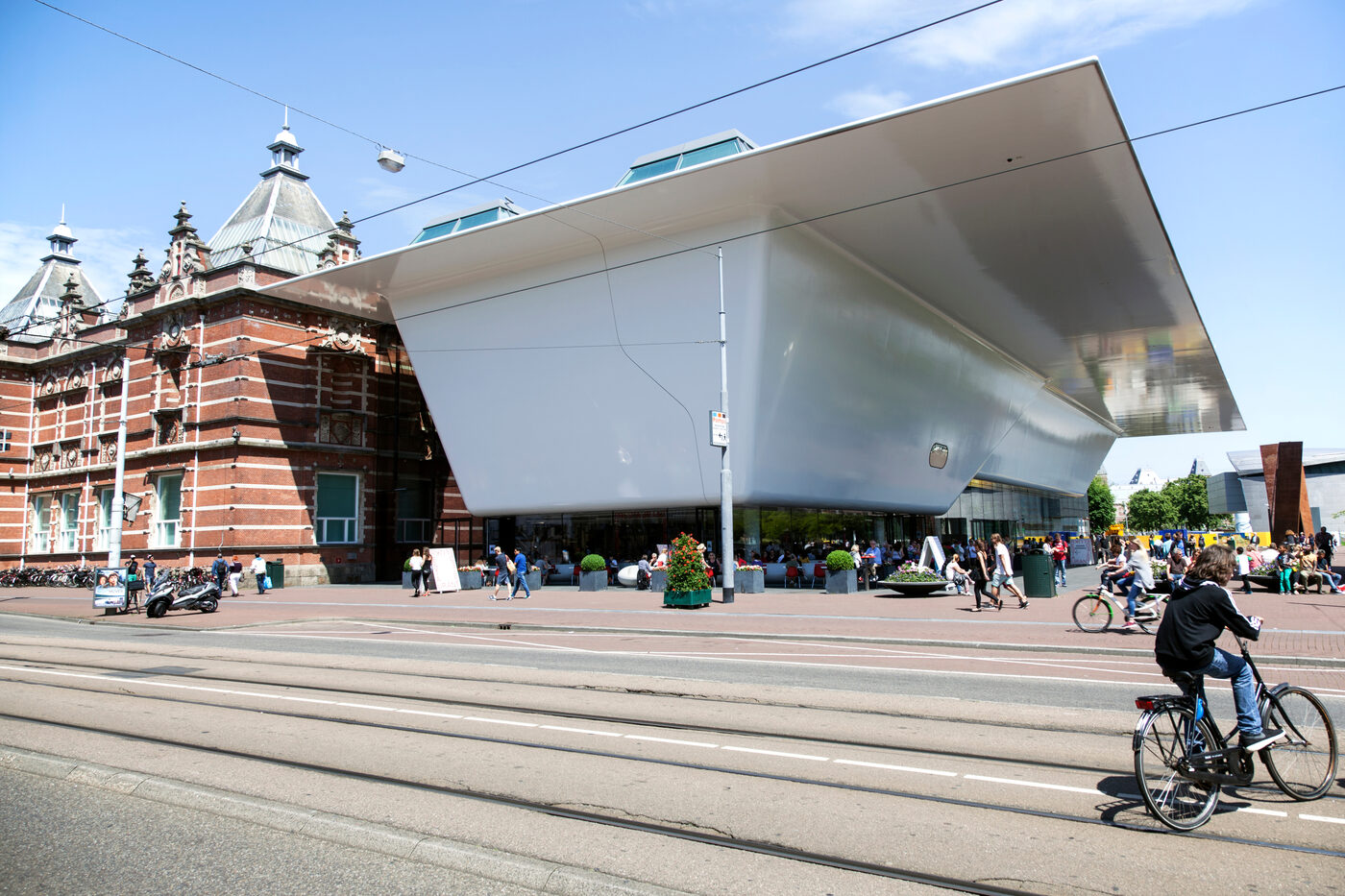
The Rijksmuseum, the national museum with Rembrandt's 'The Night Watch', and the Stedelijk, a modern art museum, share Museumplein with the Van Gogh Museum. The 'I amsterdam City Card' (about €67 for 24 hours) covers the Rijksmuseum and the Stedelijk, plus trams. The Van Gogh Museum left the card in June 2022, so book it separately. Visiting all three at once feels like a semester of art in one outing.
Book
We are not party to bookings. Provider terms govern bookings/payments/refunds. We earn commission on our link bookings.