Japan
Osaka
Kuidaore city: eat till you drop
Food heaven, a new aroma per alley
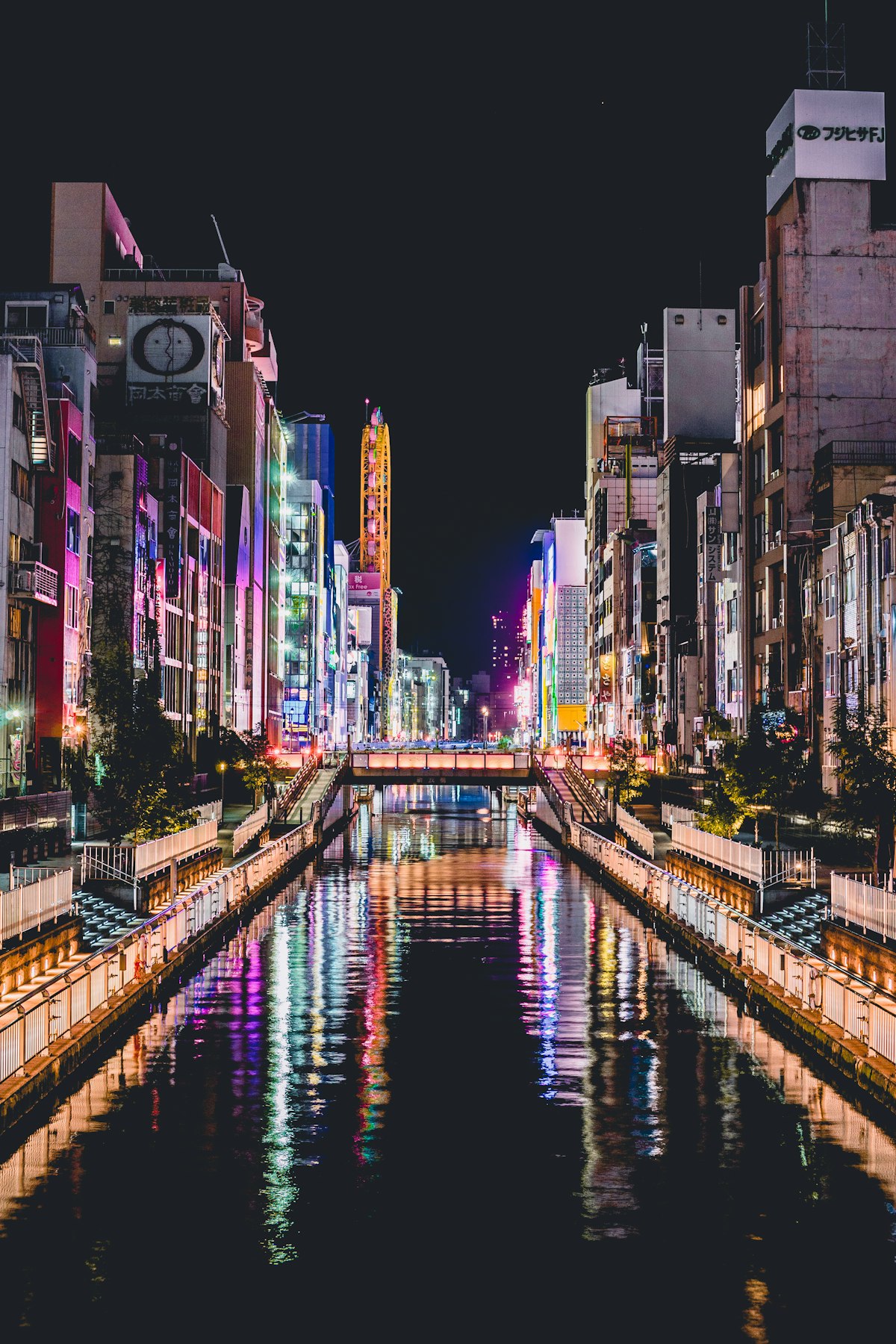
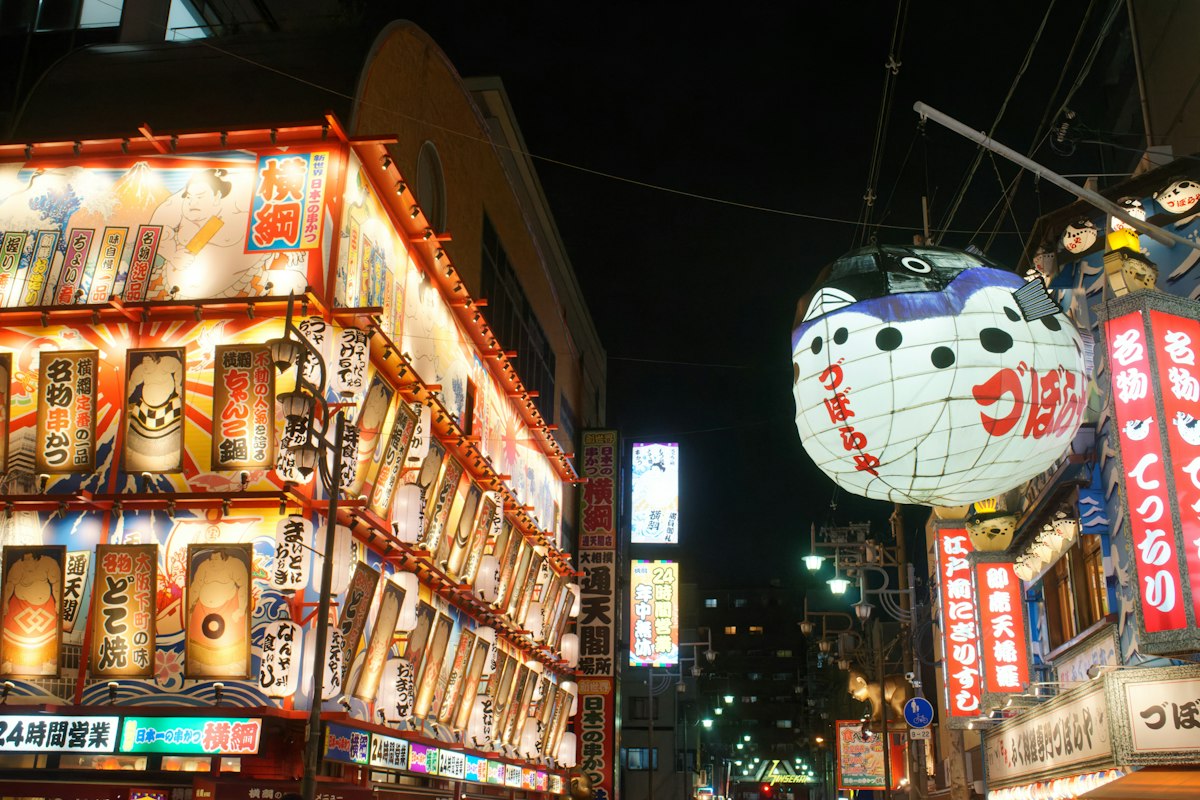
Osaka shows you a different side of Japan from Tokyo. If Tokyo is polished, Osaka is pure energy. People are loud, jokes are part of daily life, the food is rich, and giant signs hang over the streets. Food is so central to Osaka's identity that kuidaore (食い倒れ, "eat till you drop") serves as the city's slogan.
The vibe — Japan at its most Korean
The thing Korean travelers say most on their first trip to Osaka is, "This feels a bit like Busan." The rowdy energy of a port city, the bold seasoning, the friendly banter — for them, it feels emotionally closer than Tokyo. At restaurants, conversations with the next table start up naturally, and if you ask for directions on the street, plenty of people will walk with you for five minutes to show the way. That warmth is the real reason so many people come back to Osaka.
Dotonbori and Shinsaibashi — the heart of the food scene
Dotonbori is a scene no other city in Japan can copy. The giant Glico running man sign hanging over the river and Kani Doraku with its huge crab model — the whole district is one giant open-air billboard. What to eat here: takoyaki at the signature spot Takoya Dotonbori Kukuru (main shop), okonomiyaki at Mizuno or Chibo, and kushikatsu at Daruma's Dotonbori branch. The standard move is to order just one or two things at each shop, then move on to the one next door. Try to eat everything in one place and it'll be too much. Shinsaibashi is one block north of Dotonbori. It's one of Japan's biggest shopping streets, lined with apparel chains, drugstores and multi-brand boutiques. Spending ¥5,000 or more (before tax) at one store in a single day qualifies for tax-free shopping; for purchases from November 1, 2026, you pay the tax at checkout and get it refunded after a customs check when you leave Japan.
Shinsekai — a scene from old Osaka
Shinsekai is an old entertainment district built in 1912. It has a similar feel to Shinjuku's Golden Gai in Tokyo, only denser and grittier. Rising in the middle is Tsutenkaku Tower (103 m), the neighborhood's landmark. Here, it has to be kushikatsu. The whole neighborhood is one big kushikatsu alley. Daruma and Yaekatsu are the most famous. Skewers cost ¥100–200 each, so order around ten and pair them with an ice-cold draft beer. One warning: no double-dipping in the sauce — it's a strict house rule. Tsuruhashi Koreatown is four stops on the JR Osaka Loop Line from Shin-Imamiya Station, near Shinsekai. It's the largest Korean neighborhood in Japan, and stepping from a street that looks like Korea into one that looks like Japan is a strange feeling. Beef intestine hot pot (gopchang jeongol), samgyeopsal (grilled pork belly) and kimchi taste close to what you'd find in Korea, but the Japanese ingredients make them subtly different.
Osaka Castle and Umeda — the classic daytime route
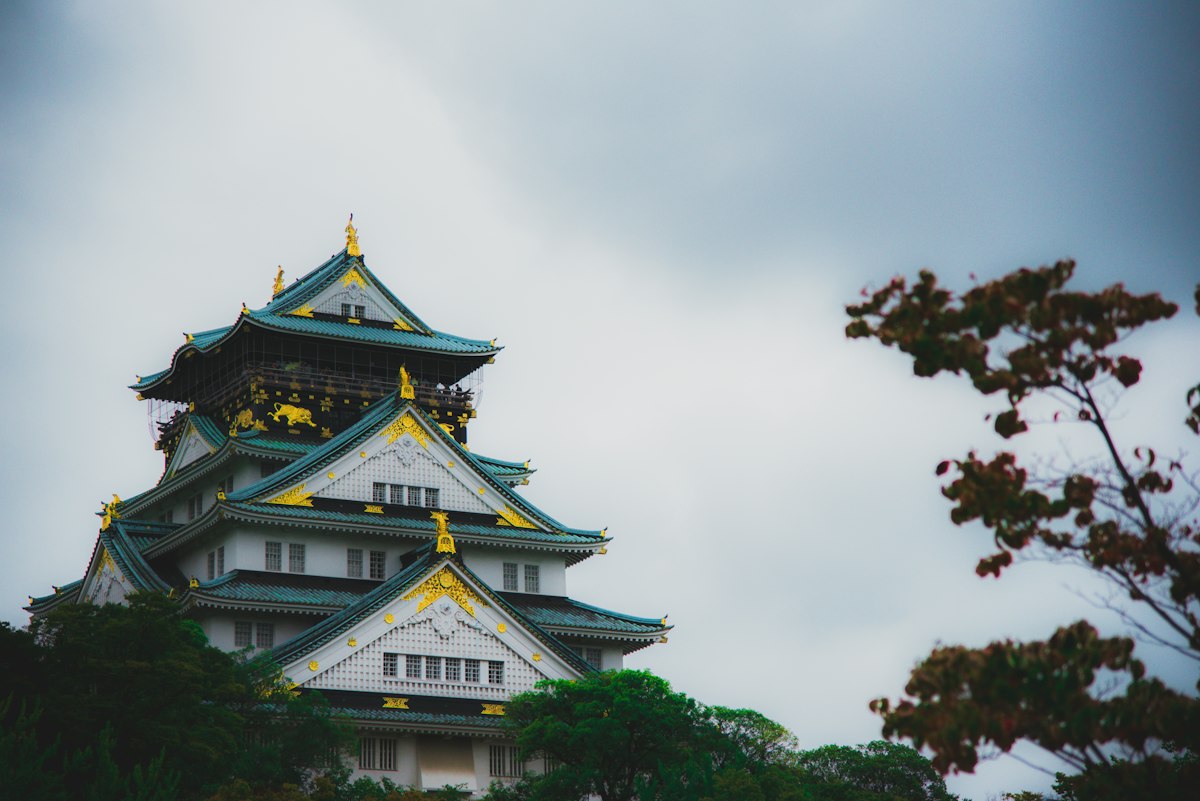
This is the most photogenic spot in Osaka. Toyotomi Hideyoshi began building Osaka Castle in 1583, and today's main keep is a 1931 reconstruction. The contrast of white walls, gold trim and a blue-green roof looks like a work of art from any angle. The main keep is run as a museum, and the 8th-floor observation deck gives you a 360-degree view of the city. In spring (late March to early April), the whole park is blanketed in cherry blossoms and feels like a different city. The Umeda Sky Building's Floating Garden has a one-of-a-kind design, with two towers joined high in the air. From the 173-meter rooftop observatory, Osaka shows a completely different face than it does from Dotonbori. Aim to arrive 30 minutes before sunset. It's a 10-minute walk from JR Osaka Station. Umeda and the Kita area are the center of north Osaka, with department stores and restaurant streets plus Hankyu, Hanshin, Daimaru and Grand Front Osaka all in one place. Plan just one lunch here and you can easily spend hours.
USJ — a favorite for families and friends
Universal Studios Japan draws more visitors than any other single theme park in Japan. Plenty of people set aside one day of a five-day Osaka trip just for USJ. The headliners are The Wizarding World of Harry Potter (opened 2014) and Super Nintendo World (opened 2021). Nintendo World requires a timed-entry ticket or an Express Pass. Show up without one and you may not get in at all, so download the official app before you go, then use it to get a timed-entry ticket once you're inside the park. Other popular rides: Hollywood Dream – The Ride (a roller coaster), Minion Mayhem, Jaws and Jurassic Park. If you're aiming for about five big attractions, Express Pass 5 is worth it. Without one, expect 90–180 minutes in line for each.
Day trips — combine Kyoto, Kobe and Nara
Osaka's real strength is its location. By shinkansen or Hankyu train, you can reach other major cities in under an hour. • Kyoto — 15 minutes by shinkansen to JR Kyoto Station. Fushimi Inari, Kiyomizu-dera and the Arashiyama bamboo grove → easily done as a day trip. • Kobe — 30 minutes to JR Sannomiya Station. Kobe Port, Meriken Park and Chinatown, plus Kobe beef for lunch. • Nara — 45 minutes on the Kintetsu line. The deer park and the Great Buddha Hall at Todai-ji → a half-day route. • Himeji — 30 minutes by shinkansen. Himeji Castle is a National Treasure and a World Heritage Site. It looks like a white heron spreading its wings, which is why it's called Shirasagi-jo, the White Heron Castle. Put these four cities together and you've got a complete Kansai circuit. On a six-day trip, you can base yourself in Osaka and fill it with three day trips.
Suggested 4-night, 5-day itinerary
Day 1 — Arrive → check in at a hotel in Namba → night walk through Dotonbori + takoyaki for your first meal Day 2 — Osaka Castle → kushikatsu lunch in Shinsekai → shopping in Umeda + night views from the Floating Garden Day 3 — A full day at USJ (Nintendo World + Harry Potter) Day 4 — Day trip to Kyoto (Fushimi Inari, Kiyomizu-dera, Arashiyama) Day 5 — One last round of shopping in Shinsaibashi and Amerikamura → airport
- Best season
- Mar–May, Oct–Nov
- Recommended length
- 3–4 days
What to eat
- Takoyaki (Dotonbori)
- Okonomiyaki
- Kushikatsu (Shinsekai)
- 551 Horai pork buns (butaman)
Handy tips
- The Osaka Amazing Pass gets you into 30+ sights for free, plus unlimited subway rides.
- Dotonbori is a little less crowded on weekday evenings. For photos, shoot the Glico sign from the opposite bank of the river.
- Shin-Osaka to Kyoto is just 15 minutes by shinkansen, so a day trip works fine.
Book
We are not party to bookings. Provider terms govern bookings/payments/refunds. We earn commission on our link bookings.